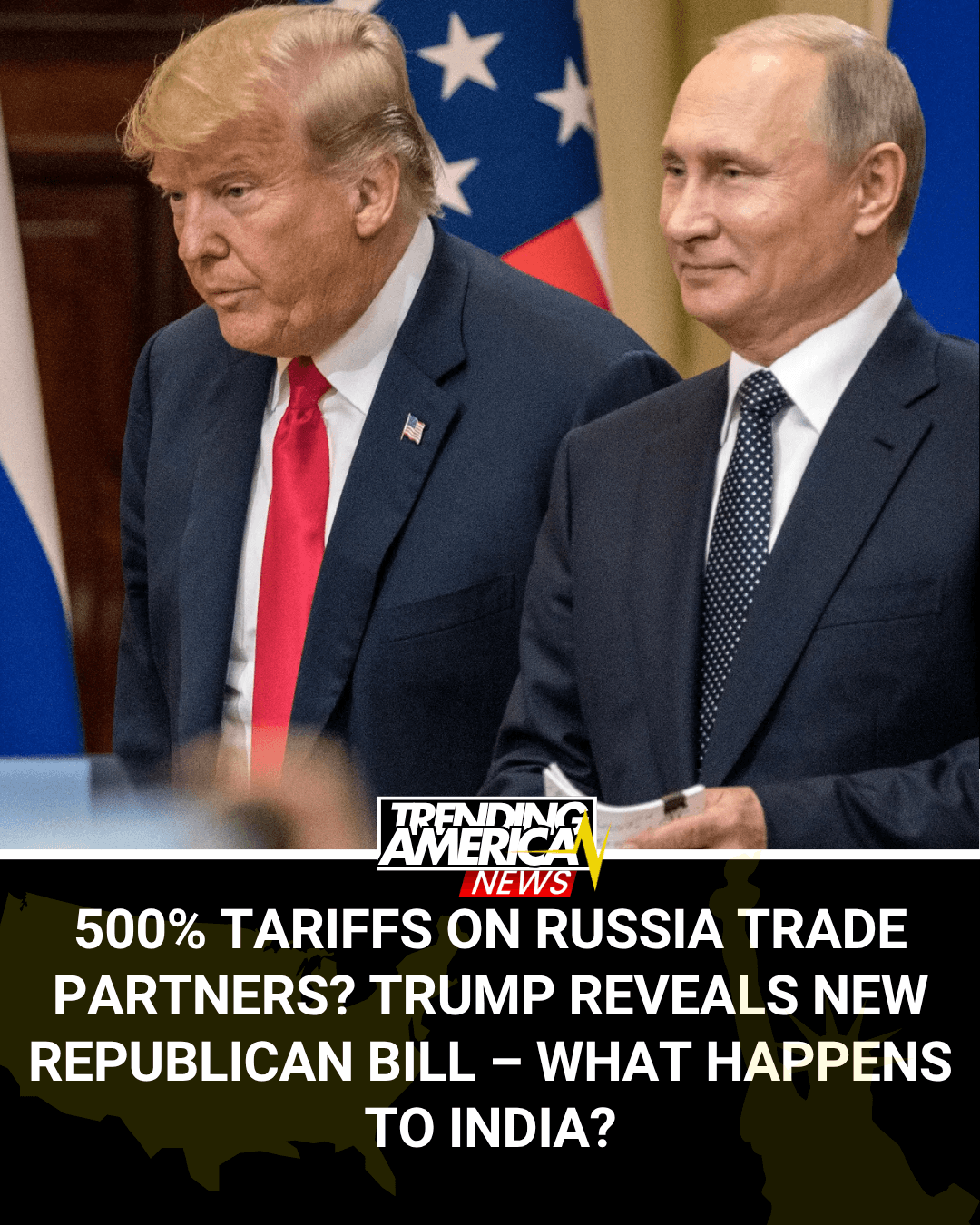
In a striking geopolitical maneuver on November 17, 2025, U.S. President Donald Trump supported a Senate bill advocating for tariffs of up to 500% on countries importing Russian energy. This strategic legislation, spearheaded by Senator Lindsey Graham, targets major consumers like India and China, applying economic pressure amid escalating tensions from Russia’s ongoing aggression in Ukraine.
The bill emerges during Moscow’s intensified efforts to dominate Eastern Ukraine, with the Kremlin’s war efforts allegedly bolstered by these energy trades. Trump, addressing the media, affirmed the bill’s aim to derail Russia’s financial support for warfare by imposing punitive measures.

This move marks a distinct shift in U.S. tactics. Previously, in August, the Trump administration had levied a 50% tariff on Indian exports linked to Russian oil. Now, Trump hints at further actions, potentially including Iran, to amplify pressure on Russia’s affiliates.
Despite U.S. sanctions, Russia sustains its military capability, largely due to economic ties with Asian partners. However, recent diplomatic interactions suggest that Washington might ease tariffs on India as it scales back Russian crude purchases.
This development underscores a pivotal moment in international relations, as Trump’s endorsement signals heightened consequences for nations seen supporting Russia’s war efforts. The global community awaits responses from the affected nations, eager to see how these economic sanctions will reshape alliances and trade dynamics.
Disclosure: We may earn a commission when you make a purchase through the ads.