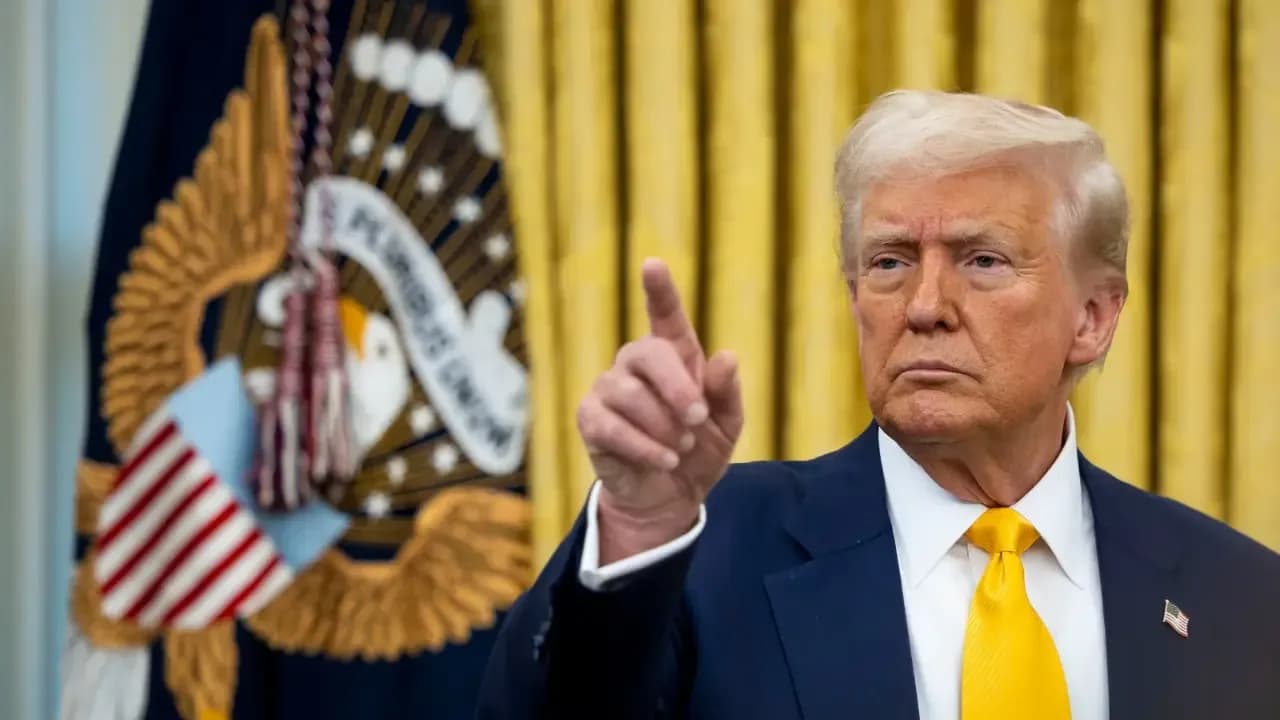
On February 25, 2025, President Donald Trump unveiled the “Gold Card” visa program, a controversial initiative offering a pathway to U.S. citizenship for foreign investors willing to pay $5 million.
This innovative plan is set to replace the existing EB-5 investor visas, significantly raising the cost and aiming to curb fraudulent activities while encouraging wealthy investors to make substantial contributions to the U.S. economy.
This announcement was made from the Oval Office, with the President emphasizing that these high net-worth individuals would invigorate the U.S. economy by contributing taxes and creating jobs.
Typically, the EB-5 visas grant residency to investors who spend around $1 million on U.S. businesses creating at least ten jobs. However, the ‘Gold Card’ shifts the focus from job creation to a direct monetary contribution.
Commerce Secretary Howard Lutnick confirmed this change would be implemented within two weeks and dismissed existing measures as outdated. The plan includes selling up to 10 million of these visas, potentially prestigious revamps shaping U.S. immigration policy.
Critics and experts have pointed out the controversies surrounding such programs. Concerns have been raised over eliminating the job-creation requirement, diverging sharply from the EB-5 mandate.
While aimed at reducing the national deficit, skeptics argue whether it contributes to long-term economic benefits or merely offers a way for the super-rich to bypass traditional residency requisites.
Moreover, there is curiosity about the broader impact and scope. Initial reactions have been mixed, with some seeing it as a powerful economic lever, and others questioning the consistency of such policy with typical American immigration values.
The administration has yet to fully disclose the eligibility criteria or detailed terms. With indications that the ‘Gold Card’ may draw global interest, especially from nations with affluent individuals like Russia, there could be geopolitical ramifications as well.
This development echoes Trump’s broader themes—monetary pathways simplifying regulatory environments, as seen previously with promises for expedited permits for billion-dollar investments.
Historic parallels are drawn with global ‘Golden Visa’ programs, yet the U.S. offer remains distinctive in its scope and financial requirements.
As this initiative rolls out, it remains a subject of intense scrutiny, involving rigorous debate across political and economic platforms about the potential reshaping of immigration through fiscal privilege.
The situation continues to evolve, promising insights into the future trajectory of U.S. immigration policies and their implications on national wealth dynamics.