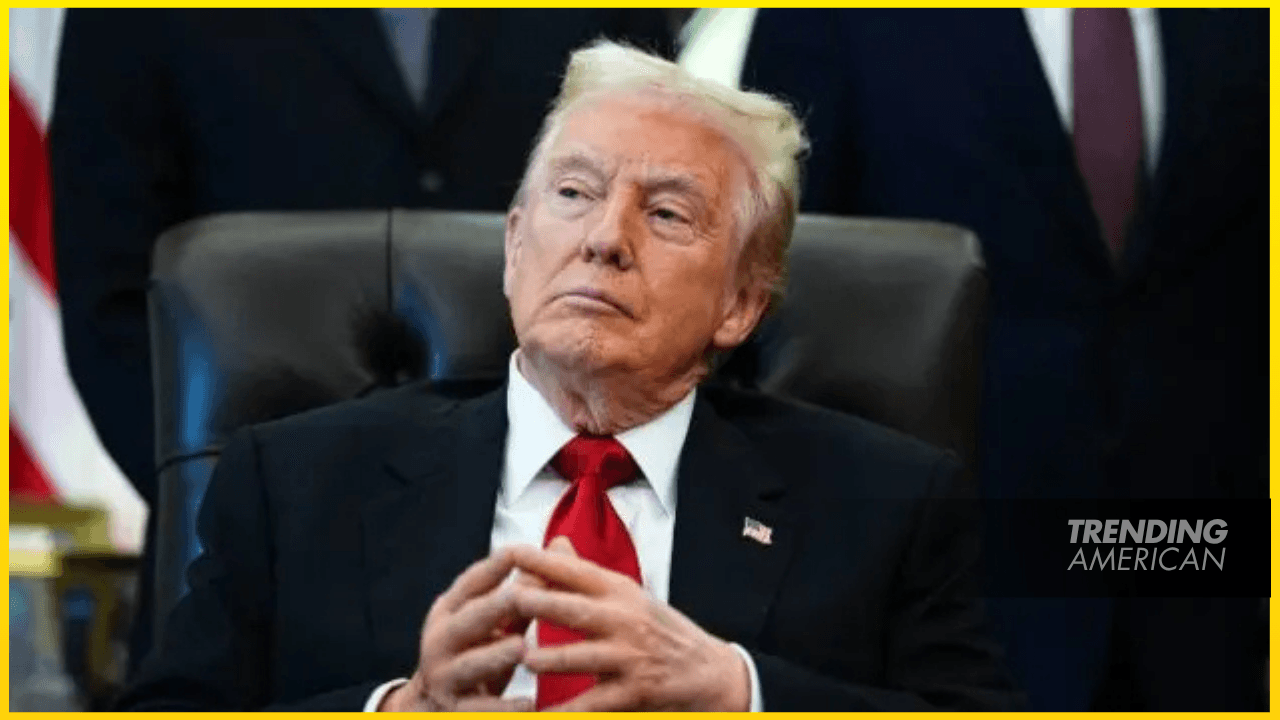
President Donald Trump has reignited economic conversations with his proposal to distribute $2,000 tariff dividends to Americans, but experts and critics alike question the feasibility. His ambitious plan positions tariffs, typically a point of contention, as a supposed fiscal boon.
Erica York, Vice President of Federal Tax Policy at the Tax Foundation, publicly scrutinized the plan, emphasizing a potential $100 billion shortfall. She calculates the required funds at $300 billion — far beyond the $217 billion annual tariff revenue. “Even the most conservative estimates fall flat,” York noted.
Beyond budgetary concerns, Treasury Secretary Scott Bessent explained that direct checks might not be forthcoming. Americans could see relief via tax cuts, with waived taxes on tips, overtime, and Social Security. NPR reports topping the news.
Economists including Peter Schiff and critic Kevin O’Leary argue this maneuver ignores fundamental economic imbalances and risks bloating the federal deficit. The looming Supreme Court case on tariff legality adds yet another layer of complication.
The proposition captures public curiosity and concern. Will this strategy alleviate financial strains, or escalate fiscal predicaments? The coming legislative and judicial decision-making processes will ultimately define its fate.