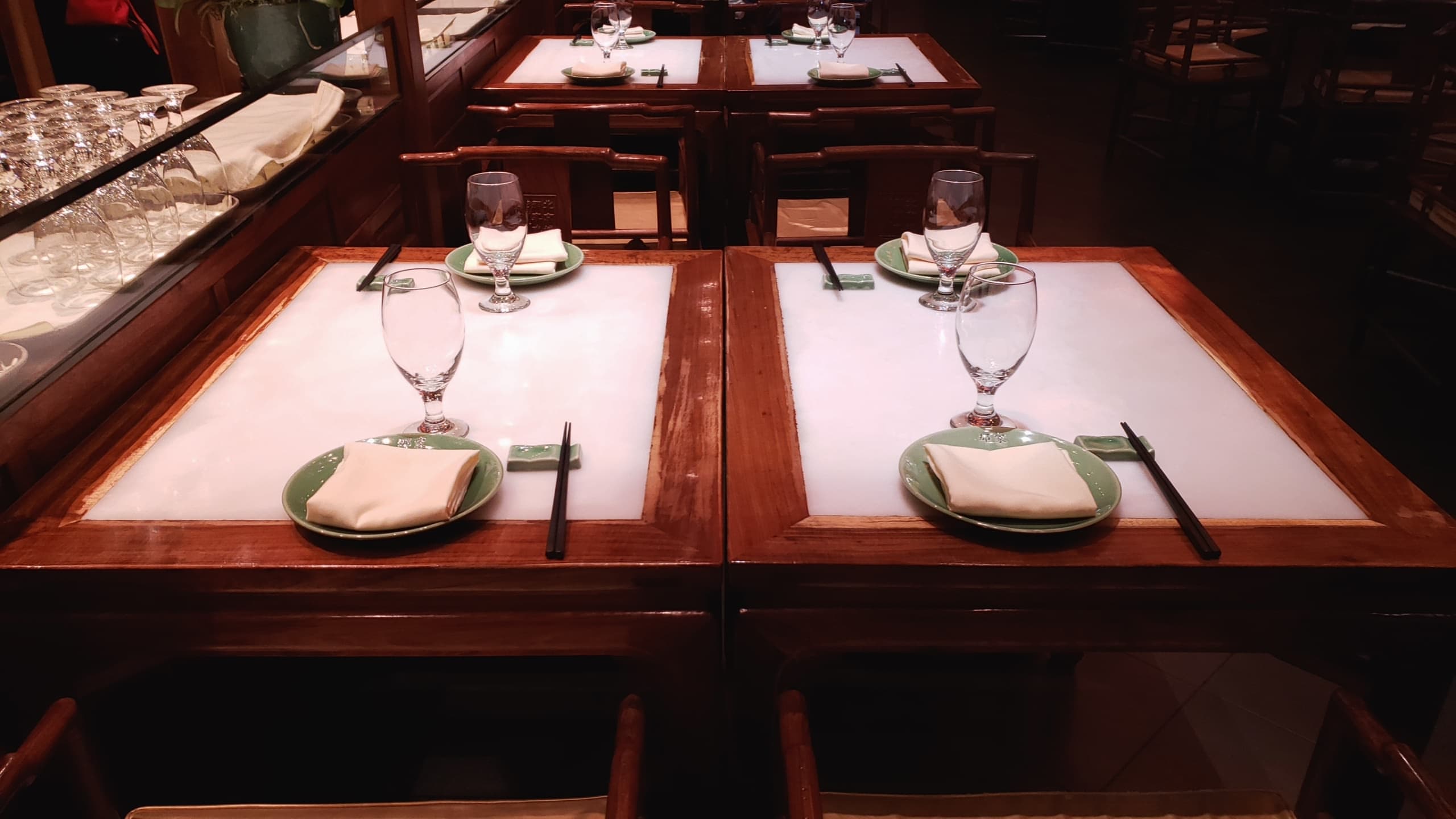
A diner finishes a meal, notices the server is busy and considers gathering the plates. Wanting to make another person's work easier is a thoughtful impulse. But stacking restaurant plates is not a validated personality test.
The gesture may be meant kindly. It does not, by itself, prove that someone is unusually empathetic, humble, anxious or a better employee. Those are much broader claims than a few dishes can support.
Featured photograph: Illustrative photograph: a restaurant table setting, not a psychological test.
Photo: George Ho, via Wikimedia Commons, CC BY-SA 4.0. Photograph reproduced without editorial alteration.

What helping behavior actually means
The American Psychological Association defines prosocial behavior in terms of benefiting other people. Its definition of helping likewise focuses on actions that improve another person's situation.
That gives us a useful question: does the action actually help the person receiving it?
A stack intended as a favor may be useful in one dining room and inconvenient in another. Intention and practical benefit are different things. Asking the server whether gathering the dishes would help is a reasonable way to learn what this particular person needs.

Photo: Florian Plag, via Wikimedia Commons, CC BY 2.0. Photograph reproduced without editorial alteration.

One moment does not describe a whole person
The APA describes personality as a complex pattern of characteristics and behavior, shaped by many influences. A trait is an enduring characteristic expressed across situations.
From those definitions, a single act at a restaurant offers too little information to establish a stable trait. Someone may move a plate to be considerate, to make room or because it is a familiar habit. Observing the movement does not tell us which explanation is right.
The same limit applies in reverse. A guest who leaves the dishes alone should not be labeled uncaring. They may be waiting for the server to clear the table.
Respect can be practical and ordinary
Research on personality and situations examines how people express traits in different settings. It does not turn a dining habit into a shortcut for evaluating someone's whole character.
Claims that plate-stacking reveals a fixed personality or predicts a precise increase in workplace productivity need direct research on those claims. General findings about helping cannot supply that missing evidence.
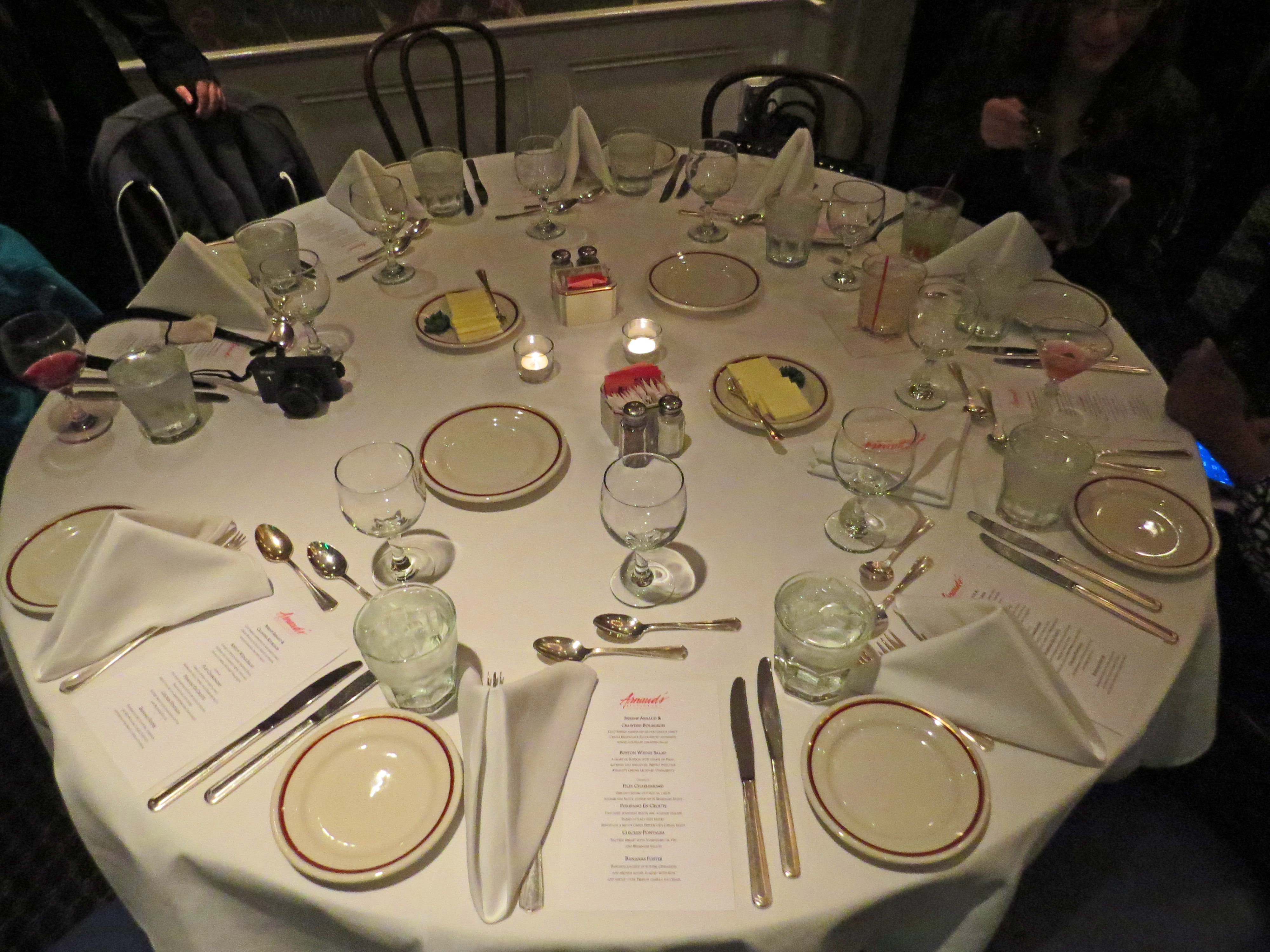
Photo: rulenumberone2, via Wikimedia Commons, CC BY 2.0. Photograph reproduced without editorial alteration.

A more useful approach is to pay attention to the worker in front of you. Listen to their answer. Allow them to carry out their routine. Offer assistance when it is welcome.
Kindness does not need a personality label to matter. At a restaurant, a small favor is most considerate when the person doing the work finds it helpful.