Finding an invasive plant before it spreads can take patient searching. A German research project explored another way to look: train pet dogs and their volunteer handlers to locate target plants by scent.
Eleven of the 12 teams that reached the final field test passed. Many others did not complete the program.
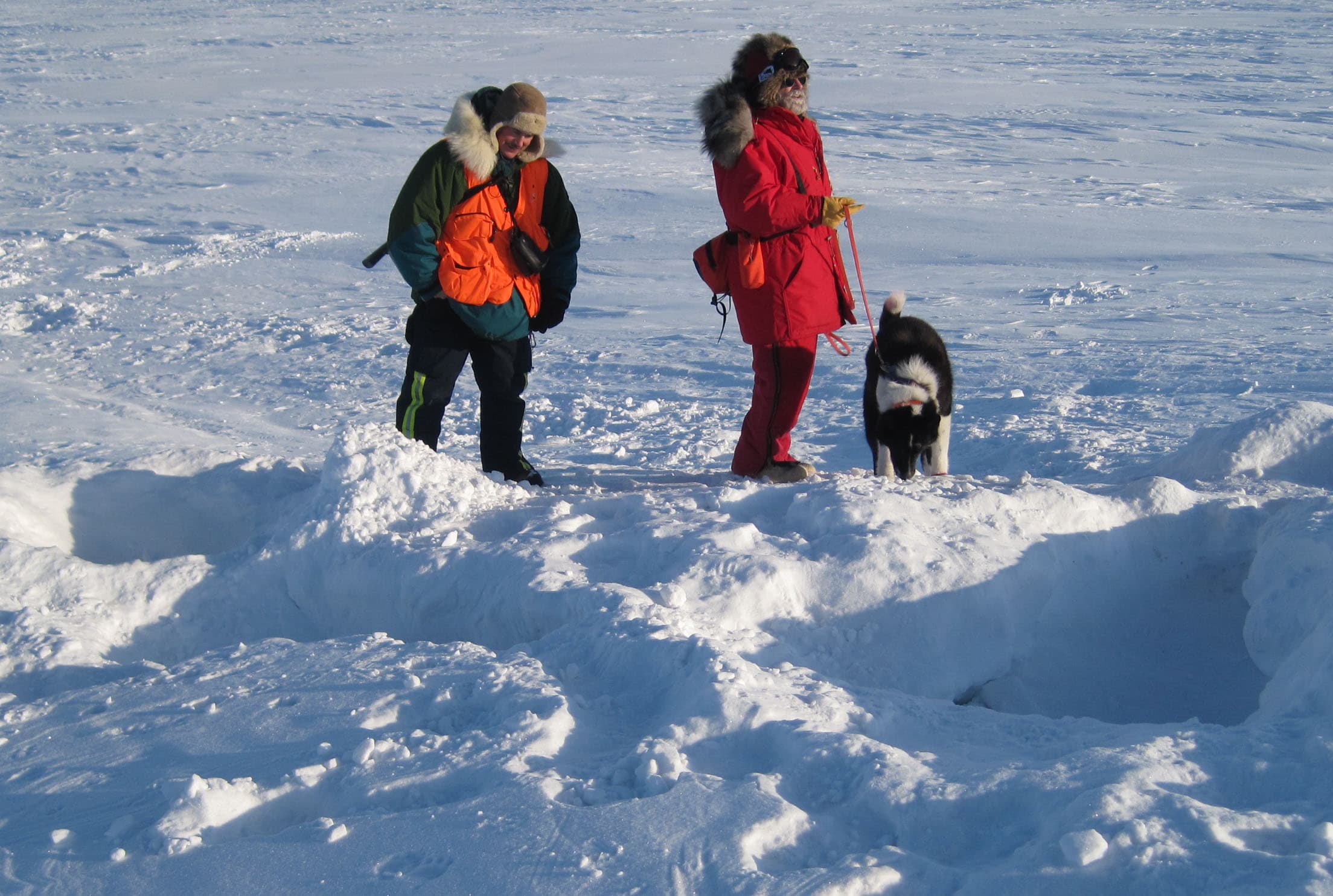
Featured photograph: Illustrative photograph: a den-detection dog in an Alaska conservation project, not a participant in the German plant study.
Photo: USFWSAlaska, via Wikimedia Commons, Public domain. Photograph reproduced without editorial alteration.

A partnership between dogs, owners and researchers
The study, published in PLOS ONE on November 4, 2026, analyzed 31 dog-handler teams. Targets included knotweeds, Himalayan balsam and common ragweed.
Training combined online instruction and practical work for both dogs and handlers.
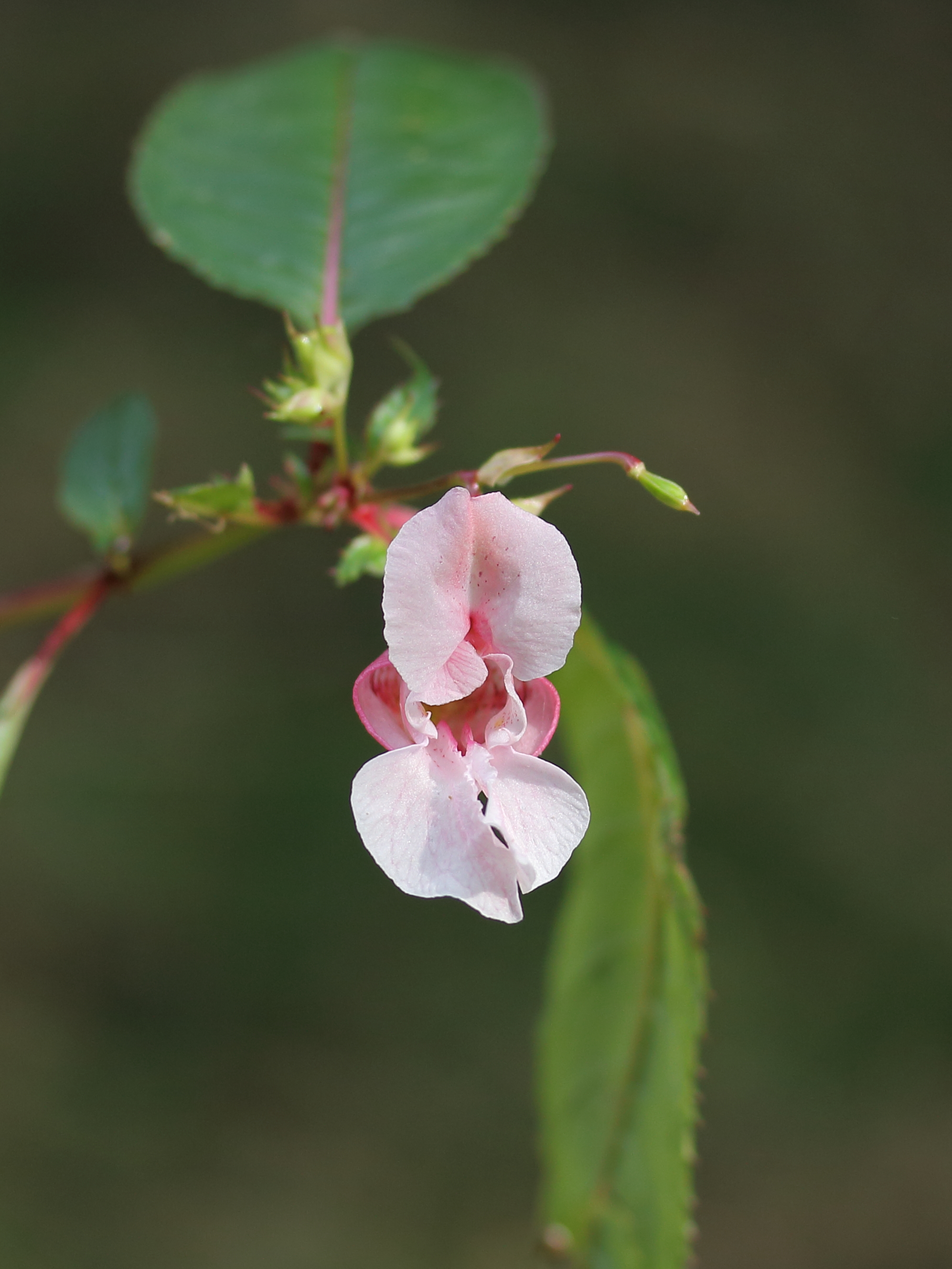
Photo: Dominicus Johannes Bergsma, via Wikimedia Commons, CC BY-SA 3.0. Photograph reproduced without editorial alteration.

What the field results mean
Passing required finding at least half of the hidden samples. Among the teams that passed, the average proportion detected was 74.7%.
The field tests varied and were mostly arranged by participants with helpers. The researchers cautioned that this limits how the detection results should be interpreted. The number is not an accuracy guarantee for every dog or every landscape.
The authors recommended continued support from ecologists and dog trainers.
An established idea with room to grow
Dogs already have a role in conservation beyond this particular project. A 2021 review described by the Leibniz Institute for Zoo and Wildlife Research examined 1,220 publications from more than 60 countries.
Those reports covered searches for animals, plants and other biological targets. The institute explained that scent can help locate things hidden from a human observer, including traces of animals and plants below ground.
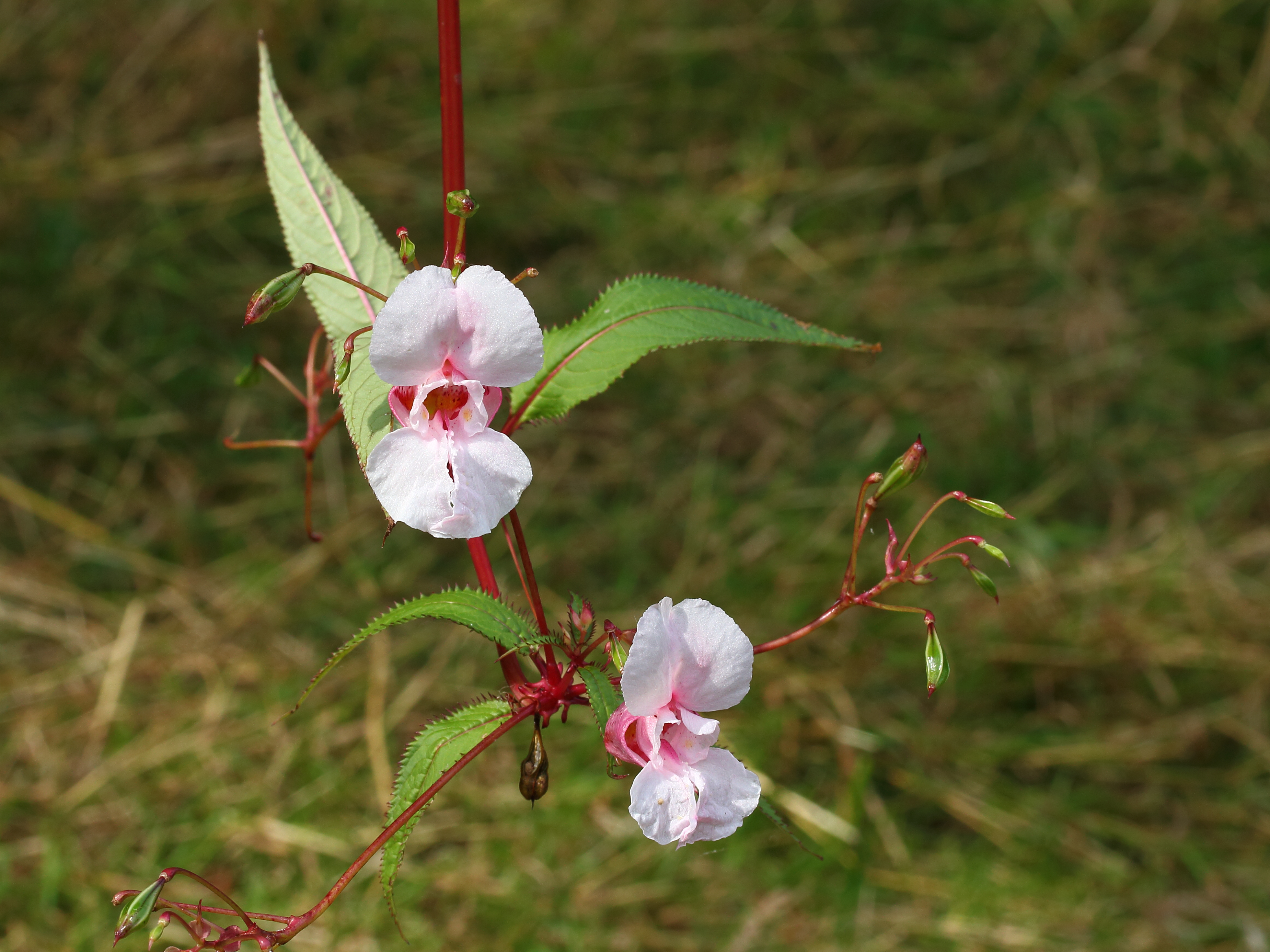
Photo: Dominicus Johannes Bergsma, via Wikimedia Commons, CC BY-SA 3.0. Photograph reproduced without editorial alteration.

The broader work supports exploring what trained dogs can contribute. It also makes the human part of the partnership clear. A dog can indicate a possible target, but people still need to identify plants, record locations and interpret the evidence.
The practical challenge is to turn a promising partnership into dependable observations, with the dog's training and the handler's field skills developed together.