
Jon Bon Jovi was in Nashville to make a music video when he and a member of his crew encountered a woman in crisis. They stopped to speak with her and helped her to safety.
The encounter happened on September 10, 2024, at the John Seigenthaler Pedestrian Bridge. Nashville police later publicly credited the singer and the other helper. It was a moment of care that became widely known after authorities shared video.
Featured photograph: Archival photograph: Jon Bon Jovi performing in Bucharest in 2011, not the Nashville incident.
Photo: Rosenborg BK Fan, via Wikimedia Commons, CC0. Photograph reproduced without editorial alteration.

A crew member stopped first
Local station WSMV reported that Bon Jovi was filming on the bridge when the encounter unfolded. A woman from his crew approached the distressed woman, and he joined the conversation.
The two stayed close, spoke with her and helped bring her to the safe side of the bridge. Bon Jovi then embraced her. Their response was calm and shared, with the crew member playing an important part.

Photo: Wikimedia Commons contributor, via Wikimedia Commons, CC0. Photograph reproduced without editorial alteration.

Police recognized the help
According to ABC's Good Morning America, the Metropolitan Nashville Police Department credited Bon Jovi and his team for helping the woman.
Police Chief John Drake's public response emphasized a responsibility that reaches beyond celebrities: “It takes all of us to help keep each other safe.”
That recognition came from the police, rather than from a statement in which the singer described himself as a rescuer. The distinction helps keep the focus on the assistance given and the person who needed it.
A public moment with private limits
Contemporary reporting by TheWrap noted that Bon Jovi's representative would not comment out of respect for the woman. There is no need to know her identity, personal history or later medical care to understand what the helpers did.
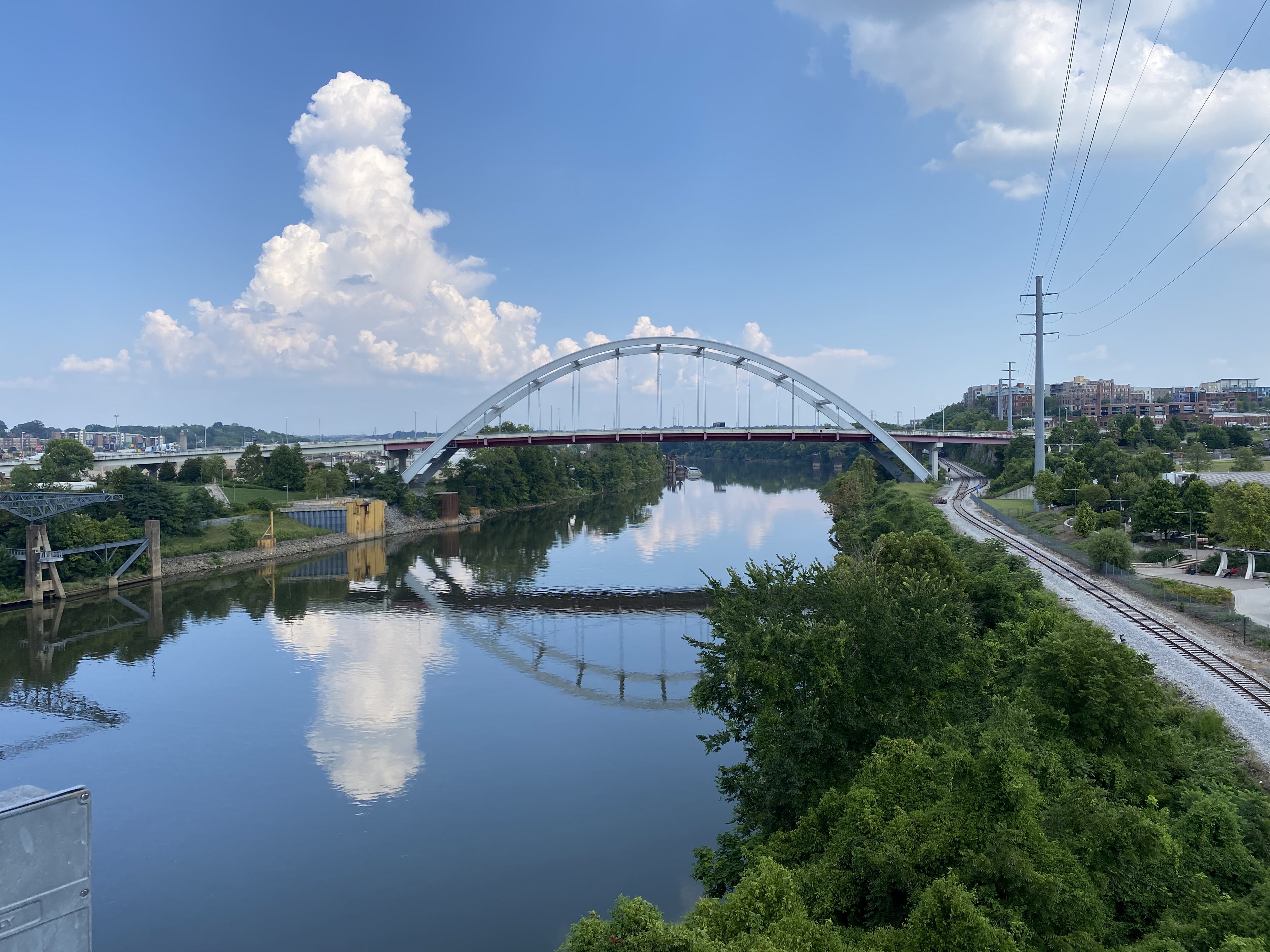
Photo: Lmnk622, via Wikimedia Commons, CC BY-SA 4.0. Photograph reproduced without editorial alteration.

The encounter is a historical event, not a new incident. And the footage captures only a brief part of someone's life. It cannot tell readers the full circumstances behind her distress or what support she received afterward.
What is documented is simpler: two people interrupted their work, offered their attention and helped a stranger through an immediate crisis. The public credit belongs to that response, while the woman's wider story remains her own.