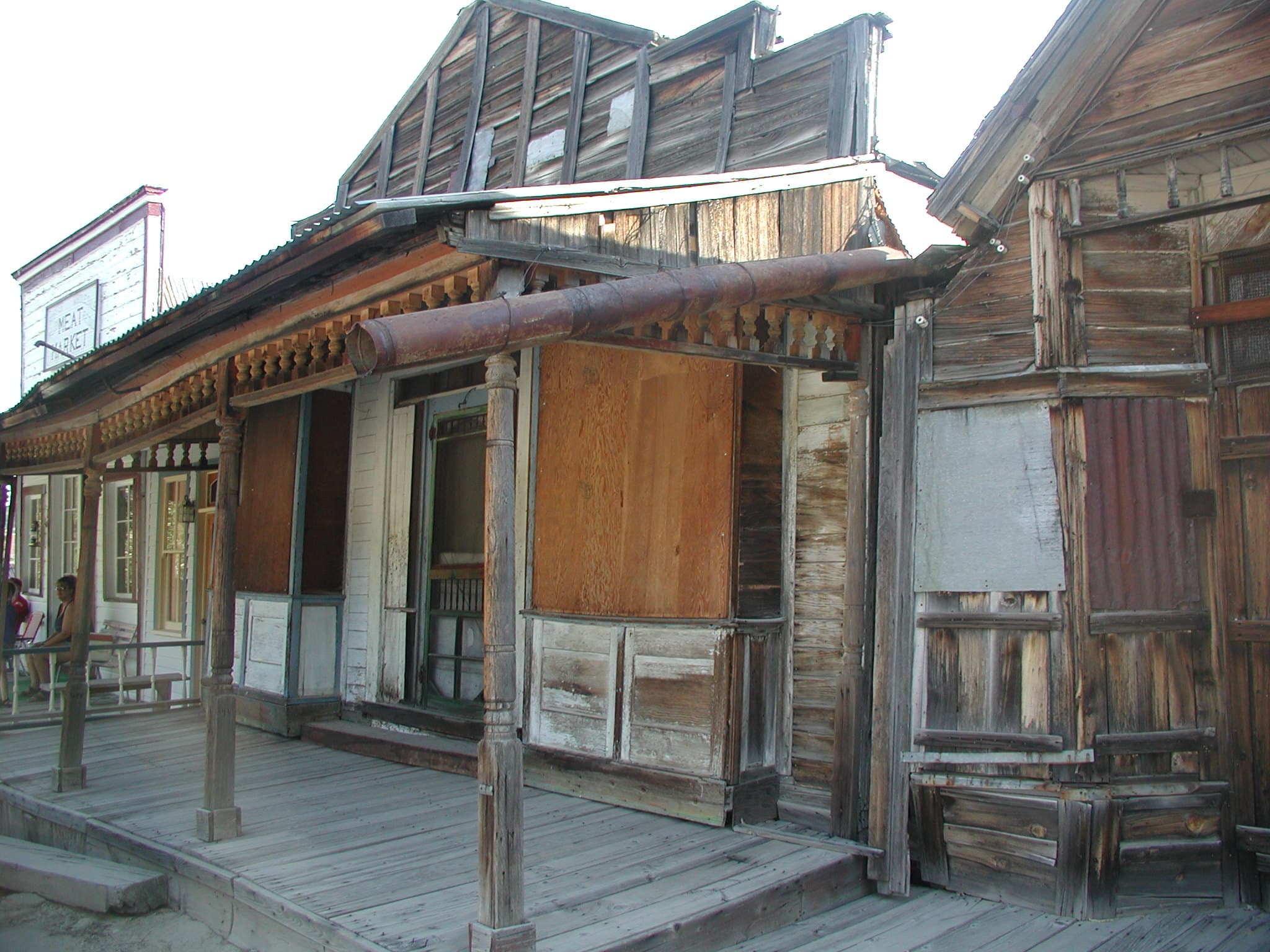
Silver City’s old hotel still welcomes guests, even though the mining boom that built the town has long passed.
Silver City, Idaho, is a historic mining settlement in the Owyhee Mountains, with roughly 75 surviving structures dating from the 1860s to the early 1900s. It is often called a ghost town, but private owners and seasonal businesses keep parts of it alive. Visitors can explore its public streets when mountain roads are accessible. Visit Idaho’s historical-area guide
That combination makes it unusual. You can study the remains of a mining economy without pretending that everyone and everything disappeared.
Why Silver City, Idaho, grew here
Rich mineral deposits drew miners into the Owyhees during the 1860s. Silver City emerged from that rush in 1864, according to a Bureau of Land Management historic-preservation report. The mountains that make the setting memorable also held the reason for the settlement. BLM preservation report
The town became a center of commerce rather than merely a place to sleep beside a claim. The BLM describes stores, hotels, and saloons serving a population that approached 3,000. It also records a community that included Chinese, Basque, Irish, and Native American residents. BLM’s Silver City mining history
Those details help broaden the picture. Mining towns depended on many kinds of work and many different people. Looking only at the prospectors leaves out the households and businesses that made a settlement function.
At about 6,200 feet, Silver City sits below higher Owyhee summits. The setting helps explain both its striking appearance and its difficult access. A mountain town needs more than a rich discovery to keep daily life running through every season.
A hotel with a second life
The Idaho Hotel provides a particularly clear thread through the town’s history. Its story began in nearby Ruby City in 1863 before it became part of Silver City’s commercial life.
The hotel hosted gatherings ranging from weddings and banquets to meetings and funerals. Its own historical account describes a building that served the community as well as travelers. It closed around 1942 and deteriorated before Edward Jagels bought it in 1972 and began a long restoration. Idaho Hotel history
A University of Idaho archival postcard also documents the hotel’s expansion and later renovation. It is a reminder that historic buildings change over time, even when their outlines seem fixed. University of Idaho postcard collection
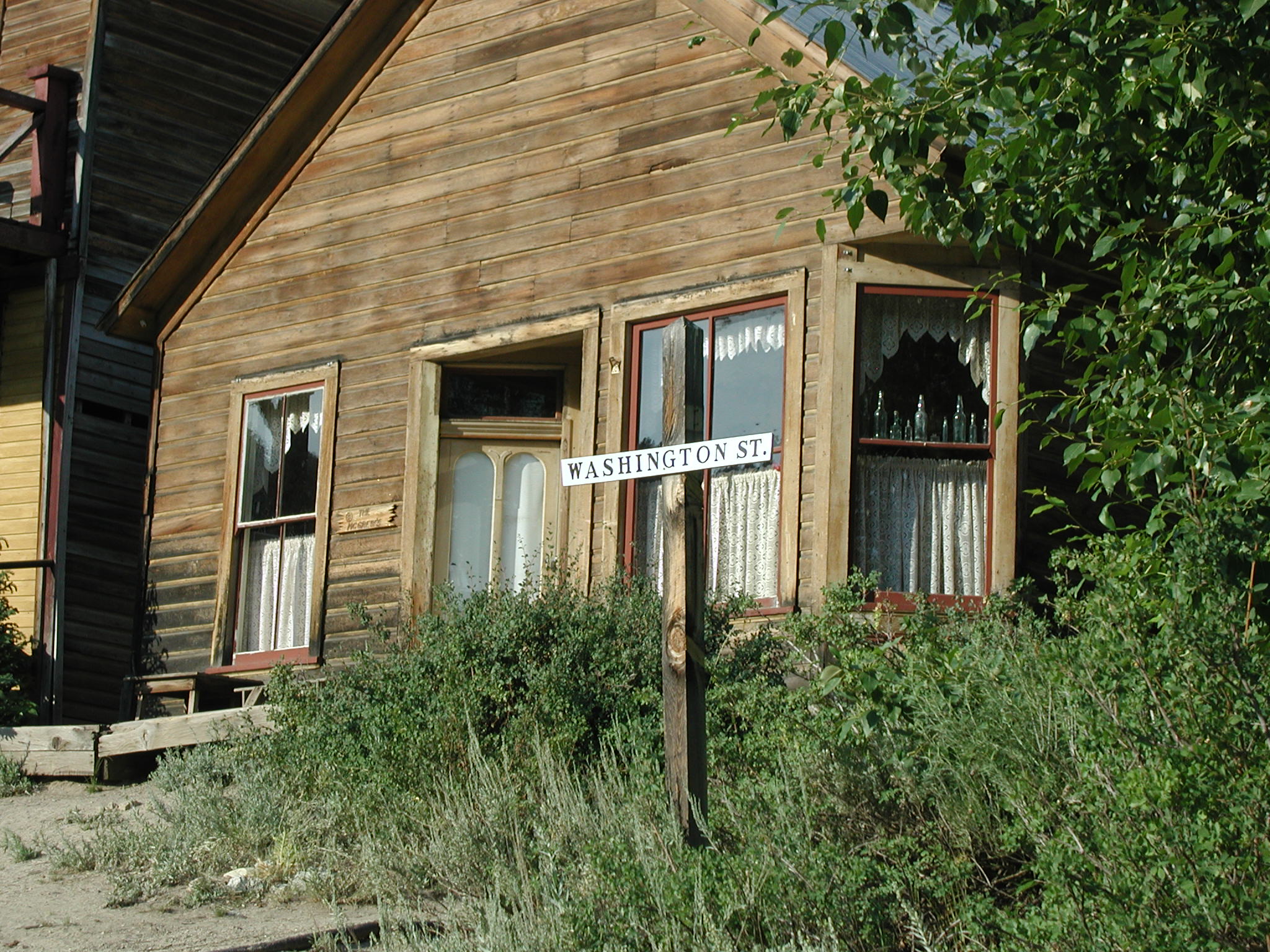
The hotel’s survival makes the town easier to imagine. A mining camp needed rooms and meals, but it also needed places for people to gather. That social purpose can outlast the industry that paid for it.
Why the mining town declined
Silver City’s fortunes followed the surrounding mines. As profitable opportunities diminished, the town lost the economic activity that supported its larger population.
Visit Idaho’s regional history describes mining operations closing in 1942 and the settlement becoming increasingly quiet. Yet the buildings were not all swept away by one great fire or replaced by modern development. That survival is central to what visitors see today. Visit Idaho’s Owyhee history
It is tempting to describe such a place as frozen in time. Silver City is more interesting when viewed as a place that kept changing at a slower pace. Repairs, seasonal use, and private stewardship have all helped determine which structures remain.
A closed storefront does not tell you whether its owner has left forever. Nor does a weathered house become public property because it photographs like a ruin.
What a visit can reveal
Walk with attention to the relationship between buildings. A hotel, a church, and a cluster of homes tell different parts of the same story. The mountain backdrop gives them a shared setting, but each had a practical purpose.
Visitors should also resist the urge to explore the old workings outside town. The BLM documents hundreds of mines in the surrounding area and warns of shafts, unstable timber, hazardous air, and other dangers. Agencies have closed dangerous openings, but an unsealed opening should never be treated as safe.
The streets and authorized visitor spaces provide enough history without entering mine tunnels. Read signs, respect fences, and ask before stepping onto private porches or into buildings.
Plan around the season
Visit Idaho notes that roads are typically closed from November to May and can be rough and narrow when open. Its guidance favors a high-clearance vehicle for handling the approach. Verify conditions before leaving rather than treating a map’s estimated drive time as a promise. Visit Idaho’s ghost-town travel guide
If you hope to stay at the hotel, contact it directly about current dates and facilities. Its published reservation information describes limited solar power, rooms without private bathrooms or outlets, and meals that require advance arrangements. Idaho Hotel reservation information
Carry water, food, and suitable clothing even for a short visit. Leave room in the day for a slow approach and an unhurried walk.
Silver City rewards that slower pace. Its lasting attraction is the chance to see how a community survives in pieces, with some buildings quiet and others still serving a purpose.
Frequently asked questions
Is Silver City, Idaho, completely abandoned?
No. It has privately owned buildings and seasonal activity, including the Idaho Hotel. “Ghost town” describes its diminished mining-era scale.
Can you visit in winter?
Do not assume vehicle access. Roads are typically closed from November to May, and conditions determine the usable season.
Can you stay overnight?
The Idaho Hotel offers seasonal accommodation. Confirm availability and its limited amenities directly before traveling.
Are the old mines open for exploration?
No general permission exists to explore them. Abandoned mine workings are hazardous; enjoy the town from authorized areas.
Photo credits
Featured photo: Bureau of Land Management, Public domain.

Body photo: Bureau of Land Management, Public domain.
