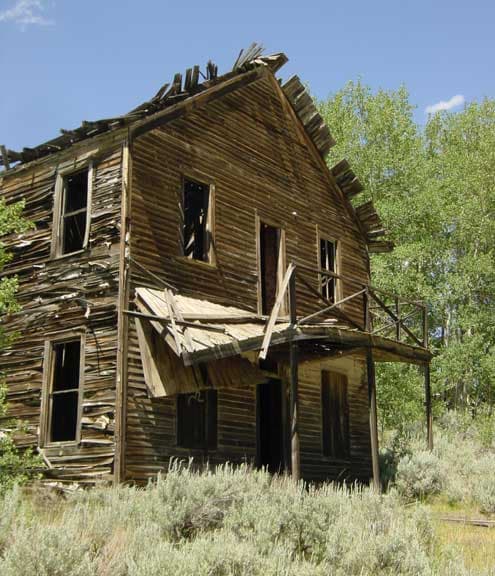
Comet’s empty mill survived the mine, while the creek below needed decades of help to recover.
Comet ghost town lies near Boulder and Basin in southwestern Montana. Its scattered buildings and industrial remains recall a mining settlement largely abandoned after operations ended in 1941. It is privately owned, and recent redevelopment plans make it especially important to check permission and posted restrictions before exploring. The Monitor’s November 2024 reporting
This is a place with more than one unfinished story. There is the boom and decline of mining, the damage left in the watershed, and an effort to give part of the settlement a future.
What built Comet ghost town?
Comet developed around mineral deposits in the High Ore Creek drainage. Regional tourism history describes substantial mine development in the 1880s and a major mill built in 1926. The buildings that remain belong to an industrial landscape, not simply a row of frontier storefronts. Southwest Montana’s Comet guide
A U.S. Geological Survey investigation records intermittent mining between 1880 and 1941. The operation worked three principal mineral veins and processed ore onsite. Its products came from several metals, with minerals containing lead, zinc, copper, and other elements occurring together. USGS investigation of High Ore Creek
That variety matters. Comet’s history is often compressed into the familiar phrase “gold rush,” yet its fortunes depended on a broader mining business. The equipment, processing costs, and changing value of ore all shaped whether work could continue.
For visitors, the mill helps explain the difference between finding mineral-bearing rock and turning it into something profitable. The mine supplied the material. The processing operation was a separate, demanding part of the system.
The boom did not last
The Basin Montana Tunnel Company acquired the operation in 1926. A later period of production brought renewed activity, but operations ceased in 1941 after economically useful reserves were exhausted, according to The Monitor’s account.
The newspaper also reported that owner Rusty Giulio was preparing property for homes and considering restoration of the mill as an event venue. Those were plans described in 2024, not a guarantee that a public attraction or lodging business is operating today.
That distinction is essential when looking at older photographs. A scene that appears abandoned can still have an owner, active work, and changing boundaries. Comet should never be treated as a place where the absence of crowds means unrestricted access.
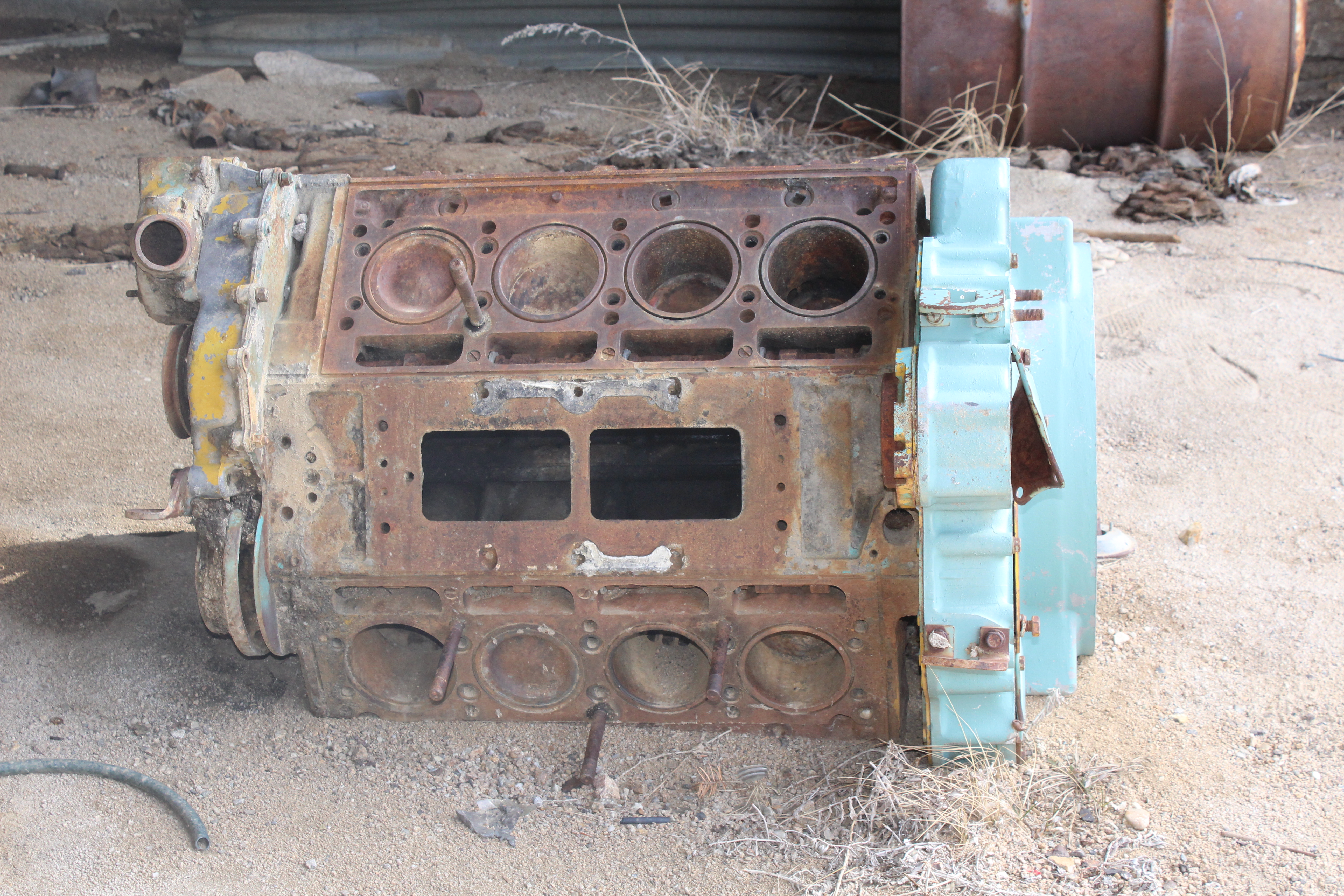
The hidden cost beside the buildings
High Ore Creek carries another part of the story. Mining waste and mill tailings accumulated near its channel, and metals moved downstream with water and sediment.
Montana’s environmental agency describes a severely damaged site before reclamation. Cleanup involved state and federal agencies, private landowners, and other partners. The work included the Comet mine and mill area and several miles of stream channel. Montana DEQ’s abandoned-mine performance report
The scale is difficult to grasp from a casual roadside stop. A patch of grass can cover ground that once required major excavation. An apparently ordinary creek bank may represent years of engineering and monitoring.
USGS documentation records large-scale remediation beginning in 1997, after earlier erosion-control measures. Contaminated material was moved away from the creek’s floodplain and placed in a repository at the mine site. USGS account of remediation work
These changes mean the landscape is not an untouched snapshot of 1941. It has been altered to address the consequences of mining.
Recovery is part of the history
A 2009 USGS publication found that restoration at Comet produced the watershed’s strongest improvement in aquatic habitat. Removing contaminated material and rebuilding the channel reduced metal concentrations, and fish were present again. USGS study of post-remediation recovery
That finding does not turn the creek into a drinking-water source or establish that every part of the old mine is safe. It does show why cleanup belongs in the town’s history alongside production and abandonment.
Comet invites a different kind of curiosity. Instead of asking only how much wealth came out of the hills, ask what remained after the companies stopped working. The answer includes buildings, family connections, and a watershed that needed substantial repair.
Visiting with realistic expectations
Southwest Montana places Comet north of Interstate 15 along High Ore Road, between Boulder and Basin. Its tourism listing describes public visitation, but also identifies private ownership. Use that listing as a starting point, not blanket permission to enter buildings or cross construction areas.
Before a dedicated trip, seek current local access advice. On arrival, obey signs and barriers. Stay on lawful public routes unless the owner has clearly allowed access elsewhere. Do not assume an open doorway is an invitation.
The ruins are best appreciated without climbing machinery or searching for mine openings. Photographs from permitted viewpoints can capture the relationship between industrial structures and the surrounding slopes.
Bring water, allow for changing Montana weather, and leave artifacts untouched. A modest, respectful visit is more useful than chasing a dramatic interior shot. Comet’s real history needs no invented ghosts to hold attention.
Frequently asked questions
Is Comet ghost town publicly owned?
No. The historic settlement includes private property. Public-road access does not grant permission to enter private structures or lots.
Why was Comet abandoned?
Mining ceased in 1941 after its later period of production. The loss of the town’s industrial purpose drove its decline.
Has Comet been restored?
The watershed underwent significant reclamation. Separate redevelopment and building-restoration plans were reported in 2024, but those plans should not be confused with a completed visitor attraction.
Can you go inside the mill?
Only with current authorization from the owner or an authorized operator. Do not enter based on an old travel description or photograph.
Photo credits
Featured photo: Plazak, CC BY-SA 3.0.

Body photo: Mark Holloway from Anaconda, Montana, CC BY 2.0.
