Shaniko’s fortune arrived by rail, packed in wool rather than dug from a mine.
Shaniko ghost town sits beside U.S. 97 in north-central Oregon. It grew rapidly as a wool-shipping center after the railroad arrived in 1900, then declined when a competing route diverted trade. Historic buildings survive, and a small community still lives here. Visitors can explore the town while respecting private property and business hours. Travel Oregon’s Shaniko guide
Its story changes the familiar ghost-town script. No exhausted gold vein was needed. A change in transportation could leave a prosperous place behind just as effectively.
How Shaniko ghost town became a wool hub
The Columbia Southern Railway gave ranchers and merchants a way to move products into larger markets. Shaniko became its inland terminal, linking wagon traffic from the surrounding region with rail transport.
The Oregon Encyclopedia records nearly three million pounds of wool shipped from Shaniko between April and October 1900. Livestock and other freight also passed through. The scale explains why substantial commercial buildings appeared so quickly. The Oregon Encyclopedia
A shipping center earns its importance by connecting places. The wool itself came from a broad ranching landscape, while buyers and transportation businesses gathered around the point where it could be sent onward.
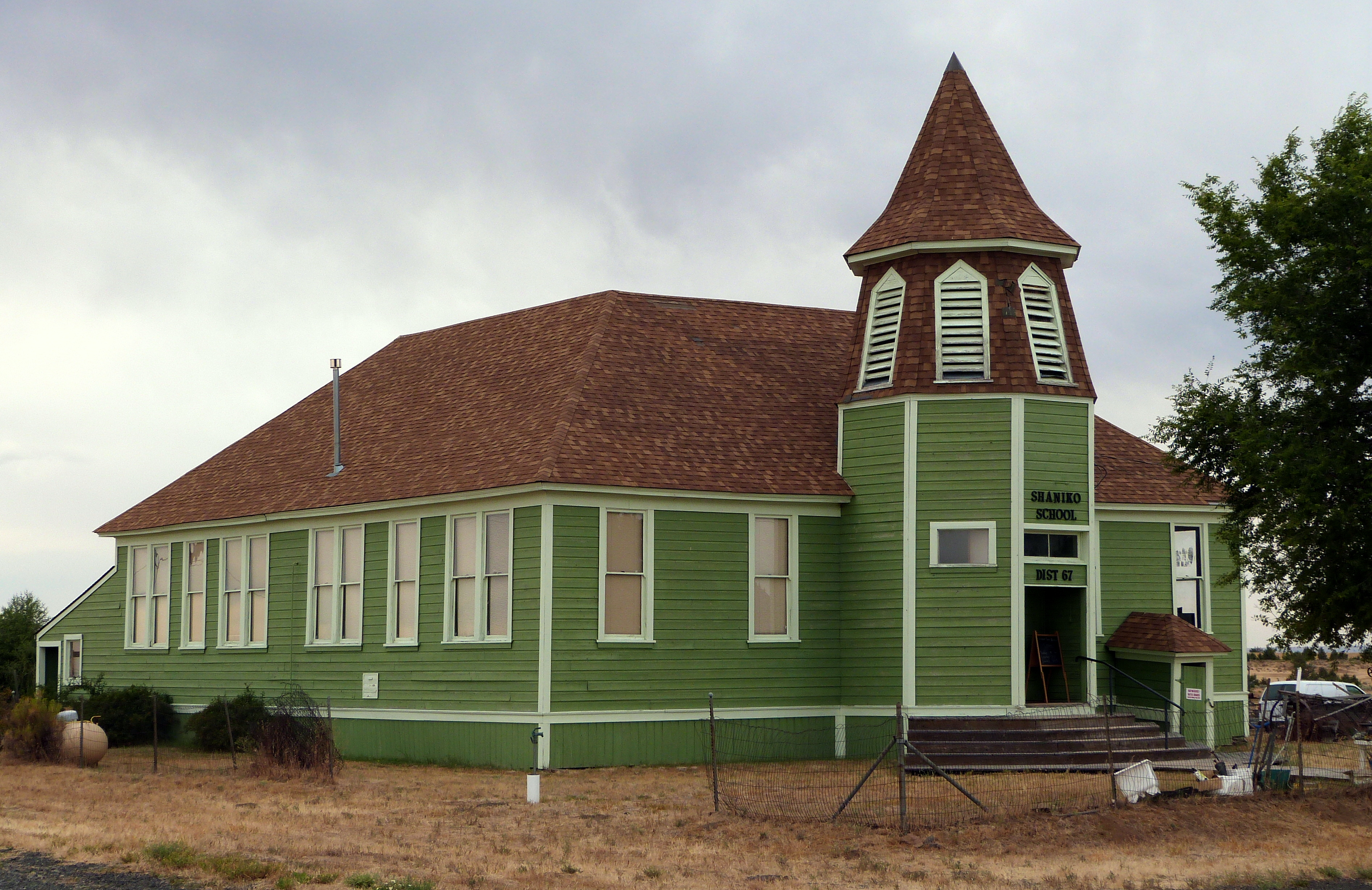
The town incorporated in 1901. It gained the institutions expected of a growing community, including a bank, newspapers, hotels, shops, and a combined city hall, fire station, and jail. The school also hosted church services, according to Travel Oregon.
The people behind the shipments
An Oregon Historical Society photograph shows wool buyers in Shaniko around 1910. Its accompanying history places the town within a network connecting central and eastern Oregon to national markets. Oregon History Project’s wool-buyers record
That image offers a useful way to imagine the old town. Its success depended on transactions, schedules, storage, and the movement of animals and goods. A warehouse could be as important to the local economy as a saloon.
The name also connects Shaniko to the earlier settlement of Cross Hollows and August Scherneckau, a German immigrant associated with its stage stop. The historical society explains Shaniko as a pronunciation of his surname.
Those layers make the place more than a railroad footnote. Roads and staging points existed before the railway, and the new town drew on a landscape already linked by trade.
Why the good years ended so quickly
The turning point came when a rival railway reached central Oregon through the Deschutes corridor. By the early 1910s, much of the business that had made Shaniko important could take another route.
The Oregon Encyclopedia also identifies fires in 1910 and 1911 that damaged the business district. Transportation changes and physical loss combined to weaken the town after a brief period of exceptional growth.
A local documentary project describes that boom as roughly a decade long. It also emphasizes the residents who continued to make homes here after the large-scale trade had gone. Shaniko documentary project
It is easy to read the decline backward and assume the town was doomed from the beginning. The buildings suggest how different it looked to people investing during the boom. A hotel, a school, and warehouses all expressed an expectation of continued use.
What the hotel and school reveal
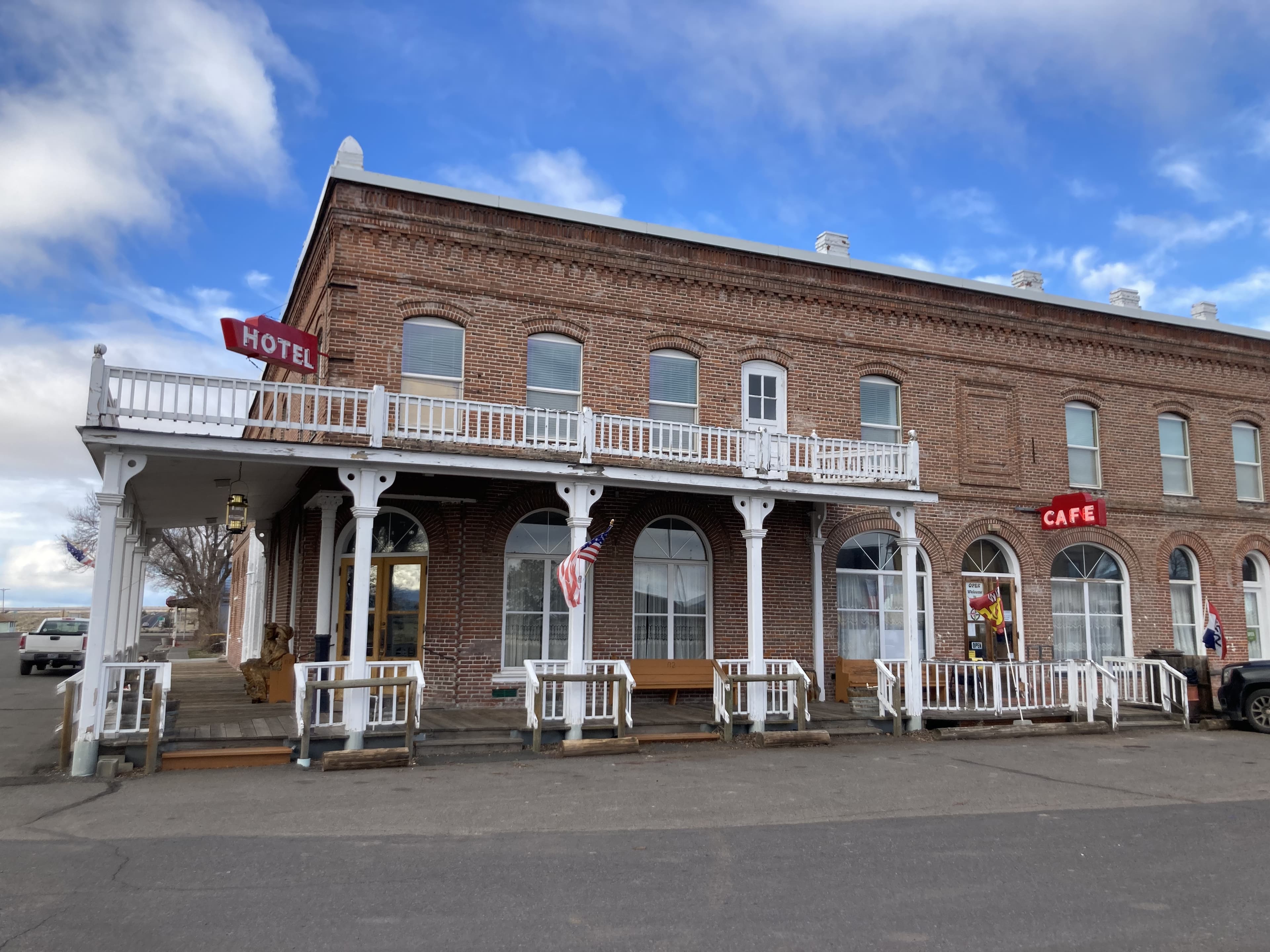
The Columbia Southern Hotel, now known as the Shaniko Hotel, is the most imposing reminder of that confidence. Its brick exterior and broad porch stand out among the town’s smaller structures.
The hotel entered the National Register of Historic Places in 1979, and the historic district followed in 1982. Those designations recognize a surviving record of the town’s commercial era. The Oregon Encyclopedia’s architectural history
The school provides another perspective. It reminds visitors that families lived beside the warehouses and business premises. Children needed classrooms even when the adults’ fortunes depended on distant markets.
Photographing both buildings helps tell a fuller story than concentrating only on the most weathered storefront. One speaks to travel and commerce; the other to a community trying to put down roots.
A quiet town with a present tense
Travel Oregon includes Shaniko on the Journey Through Time Scenic Byway and describes it as one of the state’s recognizable ghost-town stops. Travel Oregon’s town overview
The label should not erase its present-day life. Local people continue to care for buildings and maintain connections to the place. Modern businesses and events are part of that continuing history, even when their schedules vary.
For a visit, park legally and walk the public areas. Use signs and open doors to distinguish visitor spaces from private buildings. Confirm food or lodging arrangements ahead of time if they are essential to your trip.
Carry water and allow time to read rather than simply drive through. The open high-country setting can make a short stop feel exposed to sun or wind. A hat and an extra layer are sensible additions.
Shaniko’s strongest lesson is visible in its scale: a town built for a regional stream of goods, left much quieter when that stream changed course. The buildings still make that lost importance easy to understand.
Frequently asked questions
Was Shaniko a mining town?
Its major boom came from wool, livestock, and freight shipping. Rail connections were central to its prosperity.
Is Shaniko completely abandoned?
No. A small resident community remains, and some buildings have active uses. Respect private property throughout town.
Why did Shaniko decline?
A competing railway diverted business in the early 1910s. Fires in 1910 and 1911 also damaged its commercial district.
Can you visit Shaniko from U.S. 97?
Yes. The town lies along the highway. Check individual businesses and attractions for current opening arrangements.
Photo credits
Featured photo: Mattsjc, CC BY 4.0.

Body photo: Ian Poellet, CC BY-SA 4.0.
