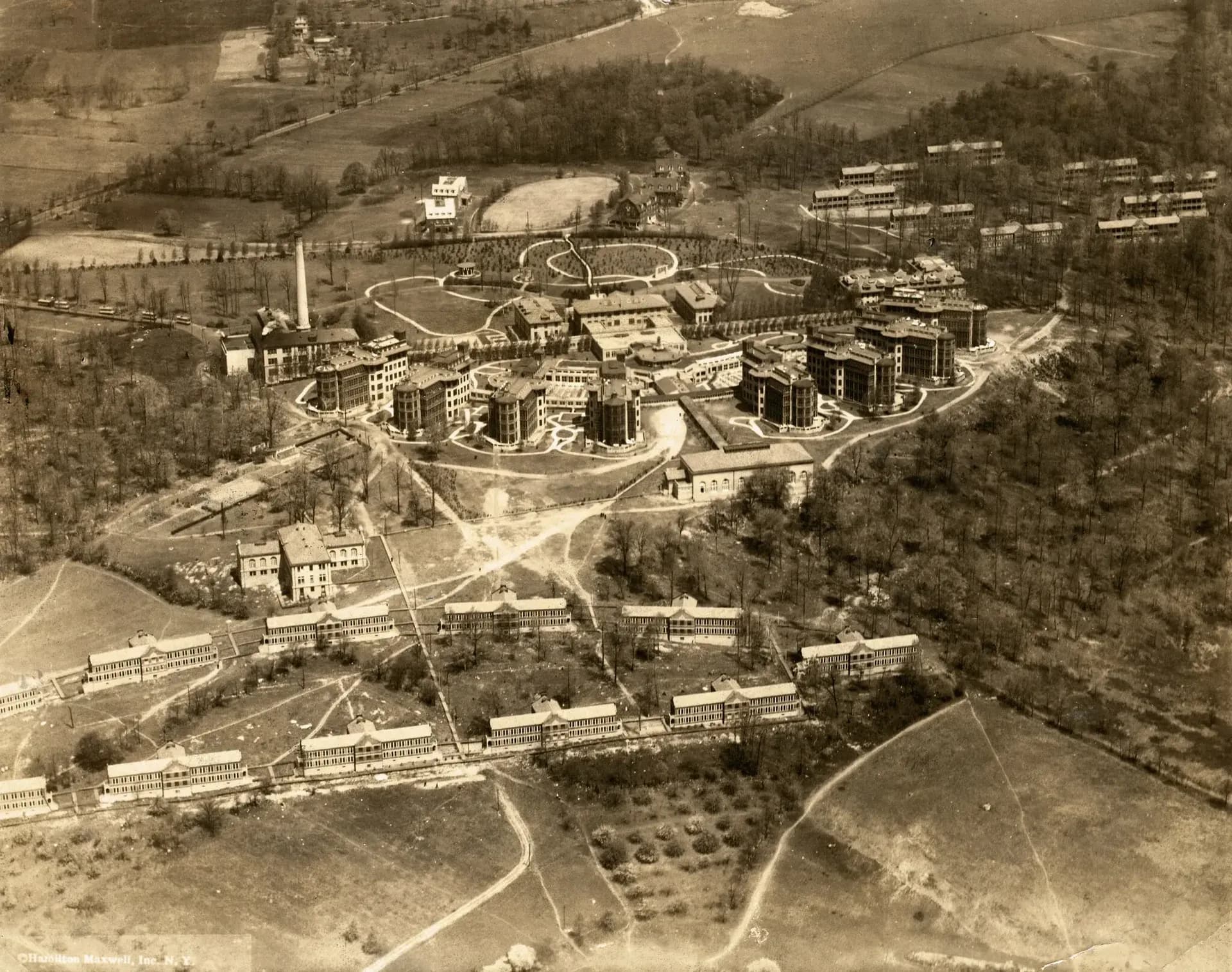
Behind Sea View’s weathered pavilions is a story of nurses who helped change the future of tuberculosis care.
Seaview Hospital, also written Sea View, opened on Staten Island in 1913 to treat tuberculosis. Some historic buildings later fell out of use, but NYC Health + Hospitals/Sea View still provides nursing and rehabilitation care. The campus is not an abandoned hospital open for unrestricted exploration.
Its most important legacy is larger than its architecture. It includes the work of Black nurses who cared for patients when fear of the disease kept many others away.
Why New York built Seaview Hospital
In the early twentieth century, New York needed more space to treat tuberculosis. The Staten Island Museum’s public-health history places Sea View within the city’s response to that need.
The hospital opened in 1913 on a hill in central Staten Island. Before effective antibiotics, treatment depended heavily on rest, nutrition and access to fresh air.
Those ideas shaped the buildings. Pavilions and open-air spaces allowed patients to spend time outside ordinary enclosed wards.
A Staten Island Historian article describes architect Raymond F. Almirall’s complex and its verandas. The hospital landscape was part of the proposed treatment.
Seen that way, a long balcony is more than an attractive detail. It records a medical belief that influenced the daily lives of patients and staff.
The nurses called the Black Angels
The name “Black Angels” refers to Black nurses who worked at Sea View during its tuberculosis years. Their story connects the hospital with racial barriers in nursing and the risks of caring for infectious patients.
In an official 2024 tribute, NYC Health + Hospitals honored Virginia Allen, who treated patients there from 1947 to 1961.
The health system also recognized Harlem Hospital’s role in preparing nurses for that work. This was a network of people and institutions, not a breakthrough achieved by a building alone.
Their contribution deserves to sit at the center of Sea View’s history. Photographs of empty rooms can easily erase the skilled care that once took place within them.
The Staten Island Museum’s legacy project helps preserve and retell this history. It offers a way to encounter the people behind the familiar abandoned-hospital images.
How medical progress changed the campus
Sea View became associated with early clinical trials of new tuberculosis drugs. The city’s historic-district designation report records the hospital’s role in those developments.
As effective drug treatment changed tuberculosis care, the need for the old sanatorium model declined. Buildings designed around long stays and open-air treatment no longer served the same purpose.
This is an unusual kind of abandonment story. Part of the explanation lies in medical progress, even though the physical result included empty structures.
That does not mean every difficulty vanished when new treatment arrived. Nor should historical discussion be mistaken for advice about tuberculosis today. The point is how changing medicine altered the use of a particular place.
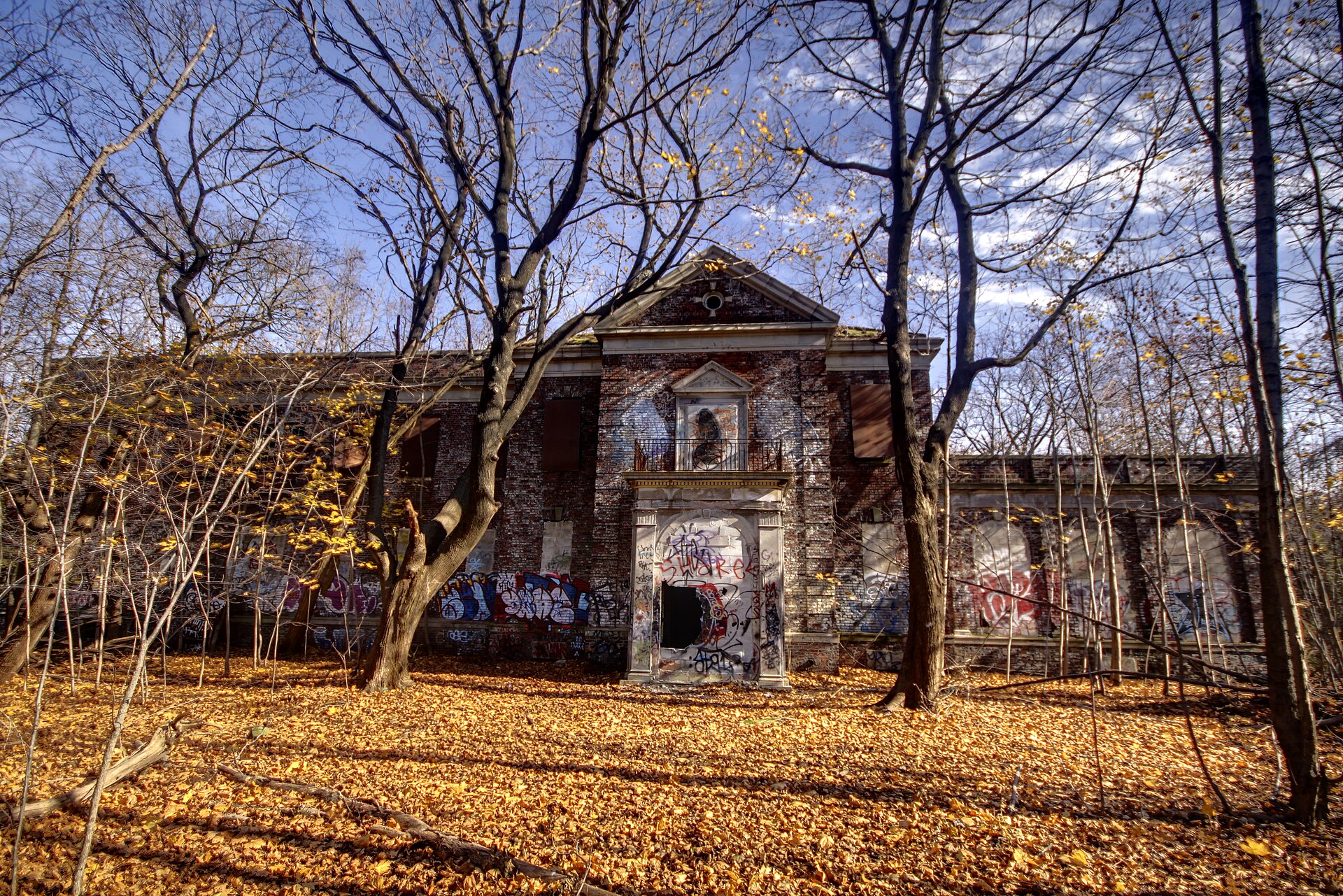
The supporting photograph shows the former children’s hospital in 2009. It documents a historic building at that date, not an authorized route inside it.
Sea View and the Farm Colony are not interchangeable
The New York City Farm Colony stood across Brielle Avenue. It had a different origin and purpose from the tuberculosis hospital.
The two became administratively connected, and they share a designated historic district. That relationship often leads online photographs and stories to mix the sites together.
The Historic Districts Council’s overview identifies both components. Check a photograph’s building name and location before treating it as evidence about Sea View.
This distinction is particularly useful when reading exploration accounts. An image labeled only “Staten Island abandoned hospital” may not show the building its caption implies.
The district’s history becomes clearer when its separate institutions are understood on their own terms.
What operates at Sea View today?
The current NYC Health + Hospitals listing confirms that Sea View remains an active care facility. Its services include long-term care and short-term rehabilitation.
That continuing role is easy to overlook beside photographs of unused historic pavilions. Both facts can be true within the same broader campus.
Residents and clinical staff are not part of a tourist attraction. Respect their privacy, avoid photographing people without permission and do not enter care areas for sightseeing.
An official appointment or a visit to a resident follows the facility’s rules. It does not provide permission to explore disused buildings nearby.
A better way to explore the history
Start with the museum’s online exhibition, the city’s designation report and the health system’s accounts of the Black Angels.
These sources explain what the buildings were meant to do, who worked there and why the campus changed. They also offer more substance than a collection of eerie photographs.
If an authorized public history event is advertised, confirm its location and access directly with the organizer. Do not infer permission from a trail, open gate or old photograph.
Sea View’s lasting significance is the movement from isolation toward treatment, and the people whose work helped make that change possible.
Frequently asked questions
Is Seaview Hospital completely abandoned?
No. Some historic buildings are unused, while NYC Health + Hospitals/Sea View continues to provide care.
What was its original purpose?
It opened in 1913 as a municipal hospital for tuberculosis patients.
Who were the Black Angels?
They were Black nurses who cared for Sea View’s tuberculosis patients and contributed to its medical legacy.
Can visitors explore the empty buildings?
Do not assume access. Use only authorized visits or events and respect restricted areas and the active facility.
Image credits
Featured image: Unknown photographer, Public domain. Body image: thomas tiernan from roslyn hts, united States, CC BY 2.0. Images via Wikimedia Commons.

