The old Roebuck Castle was believed to have been swept away by later rebuilding. Research announced in September 2026 offered a different account: medieval walls were still standing inside the building that appeared to have replaced it.
Professor Tadhg O'Keeffe of University College Dublin identified surviving parts of the Norman-era castle beneath later finishes on the university's Belfield campus.
An older structure behind the plaster
UCD's announcement explains how the building's Victorian appearance concealed a much older history. O'Keeffe, a specialist in medieval architectural history, recognized evidence that the old structure had been incorporated into subsequent work.
The discovery concerns surviving walls and architectural features, rather than an untouched castle sealed inside another building. The modern exterior had made those earlier elements easy to overlook.
The oldest surviving parts date to the early 13th century, making them roughly 800 years old.
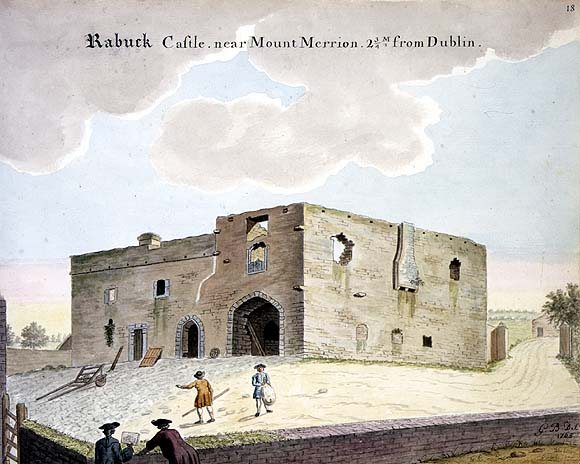
Photo: Gabriel Beranger. Source. Public domain. Resized; JPEG conversion.

Looking again at familiar evidence
RTÉ reported that the medieval features remained under plaster. The courtyard at the rear of the present building was also identified as the medieval courtyard.
Historical images helped O'Keeffe compare what had once stood there with the fabric of the current building. An 18th-century watercolor by Gabriel Beranger supplied evidence of the earlier castle's form.
The work showed how later alterations can preserve as well as conceal. Builders had changed the appearance of the property without removing every part of what came before.
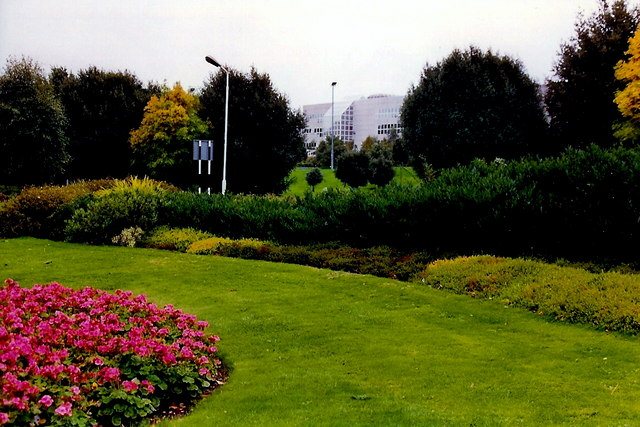
Photo: Joseph Mischyshyn. Source. CC BY-SA 2.0. Resized; JPEG conversion. Image adaptation shared under the same CC BY-SA 2.0 license.

A new chapter in the campus's history
Archaeology magazine summarized the findings, placing the medieval fortress on an approach to Dublin. Its account likewise distinguished the surviving structural features from the newer facade.
UCD said the findings could give it a claim to the oldest standing building fabric on an Irish university campus. That assessment follows the identification of the medieval remains.
The discovery did not require finding a ruin in a remote landscape. It came from looking more closely at a familiar building and recognizing that part of its supposedly lost past had remained in place.
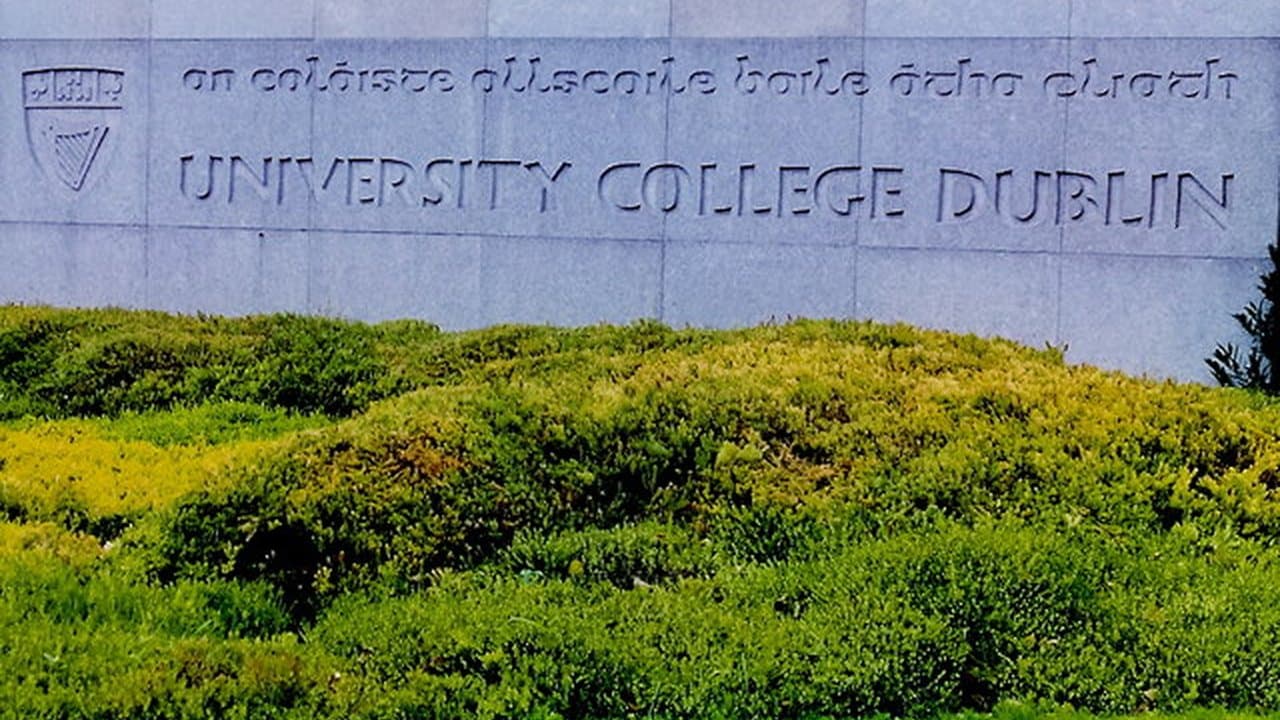
Featured image: Archival location photograph of University College Dublin. This is campus context, not a photograph identifying the newly documented castle walls. Photo: Joseph Mischyshyn. Source. CC BY-SA 2.0. Cropped to 16:9 and resized. Image adaptation shared under the same CC BY-SA 2.0 license.
