Pennhurst’s most important legacy is a fight for freedom that continued long after its doors closed.
Pennhurst State School and Hospital, near Spring City, Pennsylvania, operated from 1908 until 1987. It housed people with intellectual and developmental disabilities and became central to a national struggle for community living and civil rights. Parts of the former campus now host organized visits, while its history remains the focus of preservation and disability advocacy.
Calling it simply an abandoned asylum misses the reason this place matters. Its story reaches into classrooms, courtrooms, family homes and the everyday right to make choices.
Why Pennhurst was built
Pennhurst opened under a name containing terms now recognized as offensive. Those words reflected a system that separated disabled people from the wider community, often for much of their lives.
According to the Encyclopedia of Greater Philadelphia, more than 10,500 people lived there over its eight decades of operation. At its peak, the population exceeded 3,500.
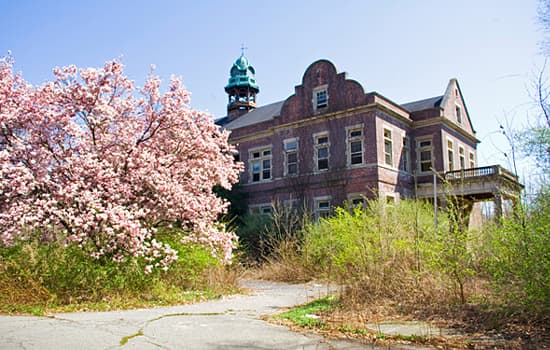
The institution had separate buildings, work areas and extensive grounds. From a distance, the campus could resemble a school or small college. That appearance makes its history especially important to understand.
A handsome exterior says little about how much control residents had over their lives. The central question is not whether the buildings looked orderly, but whether people inside received education, protection and opportunities to leave.
The television report that brought attention
In 1968, Philadelphia reporter Bill Baldini’s five-part television series, Suffer the Little Children, exposed conditions inside Pennhurst. The encyclopedia identifies it as a major moment in the growing public challenge to institutional care.
Families and advocacy groups had already been pressing for change. Residents also became advocates for themselves. Their role should not disappear behind the names of journalists, lawyers or officials.
The footage made a largely hidden institution visible to people who had never entered it. Viewers could no longer assume that the word “school” guaranteed a meaningful education or that public funding guaranteed humane conditions.
Pennhurst’s later importance grew from that gap between the promise of care and the experiences of residents.
A lawsuit with a long aftermath
The Public Interest Law Center’s account traces the Halderman litigation to 1974. A trial followed in 1977, with Judge Raymond J. Broderick ruling for the plaintiffs and ordering community placements and services.
The legal path was complicated. Appeals and Supreme Court decisions did not produce one simple, uninterrupted victory. A settlement ultimately led toward closure, and Pennhurst shut in 1987.
Even that was not the end. The Law Center describes continued litigation through the 1990s over whether former residents were receiving the individualized services promised to them.
This distinction matters. Moving someone out of an institution is one step; making sure they have support, safety and a real life in the community is another. Pennhurst’s significance rests in both.
What happened to the campus?
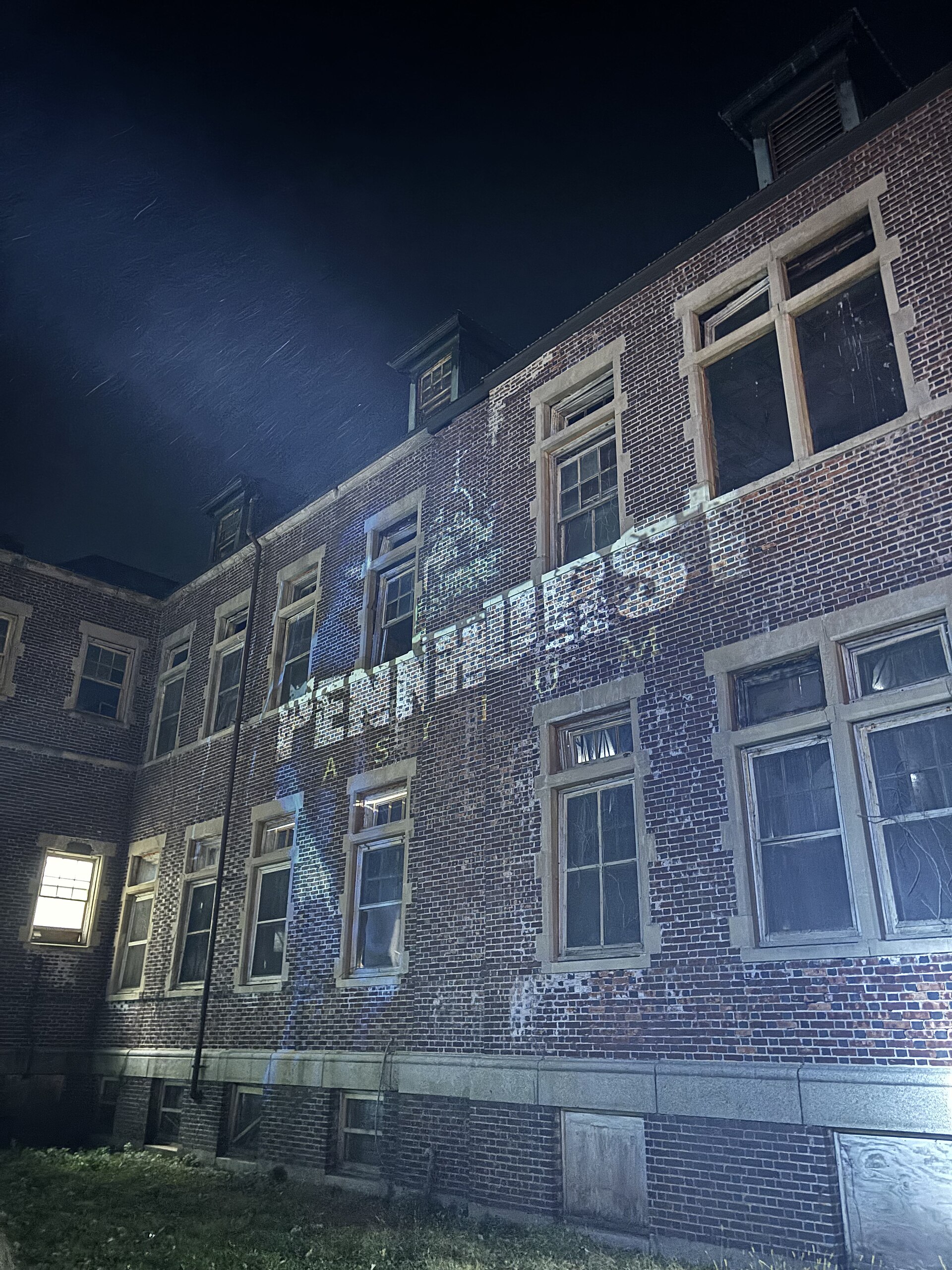
After closure, buildings deteriorated. Preservationists faced the difficult task of protecting a place associated with documented harm while making room for residents’ stories.
The National Council on Public History describes the Pennhurst Memorial and Preservation Alliance’s development in 2008 and its work to explain the struggle for dignity and disability rights.
This is a different kind of preservation from saving an attractive roofline. A building can survive while its meaning is lost. At Pennhurst, meaningful preservation includes testimony, records, interpretation and recognition of those who experienced institutional life.
The campus also became associated with a commercial haunted attraction. That use has generated criticism from advocates concerned about stigma and the treatment of disability history as entertainment.
A visitor can hold two facts together: the buildings are visually compelling, and the people who lived there deserve more than a frightening backdrop.
Visiting Pennhurst today
The operator advertises daytime history and photography tours. Its history-tour description includes the exteriors of sixteen Lower Campus buildings, selected remediated spaces, artifacts and accounts connected to former employees.
These are managed visits, not permission to wander into every building. Check the current booking calendar, route, accessibility and photography rules before traveling. The advertised history tour takes roughly three hours.
For a history-focused visit, read about the disability-rights movement first. Questions about schooling, work, family contact and community placement will help you understand more than a list of building names.
Keep photographs focused on architecture and interpretation. Avoid treating disability-related artifacts as props or assuming that old labels accurately describe the people to whom they were applied.
A place whose story belongs outside its walls
Pennhurst is worth remembering because its consequences reached far beyond Pennsylvania. It helped force the question of whether care must involve separation from ordinary life.
The remaining buildings can help make that history visible, but the strongest conclusion is not architectural. It is that dignity depends on listening to people whose choices were once made for them.
That is the story to take away from Pennhurst, whether you visit the grounds or encounter it through its records.
Frequently asked questions
When did Pennhurst close?
Pennhurst State School and Hospital closed in 1987, after years of advocacy and litigation.
Was Pennhurst a psychiatric hospital?
Its central role was institutional care for people with intellectual and developmental disabilities. Describing it only as a psychiatric asylum obscures that history.
Can the public visit Pennhurst?
Organized history and photography visits are advertised by the operator. Access depends on the current schedule and the areas included in your booking.
Why is Pennhurst important to disability rights?
The institution became a major focus of litigation and advocacy for community living, individual services and an end to segregated institutional care.
Image credits
Featured: Andrew Biggerstaff / Smccphotog, Public domain. Body: DarleneHoffman1963, CC BY-SA 4.0.

