Byberry’s buildings largely vanished, but the questions they raised about care and dignity remain.
Byberry State Hospital, formally the Philadelphia State Hospital, was a psychiatric institution in Northeast Philadelphia that closed in 1990. Most of its abandoned buildings were demolished in 2006. It is not an intact asylum that visitors can explore today.
Its history survives in photographs, reporting, archives and the experiences of former patients and staff. Part of its former land also became Benjamin Rush State Park, offering a legal way to encounter the wider landscape without searching for vanished wards.
A rural answer to an urban problem
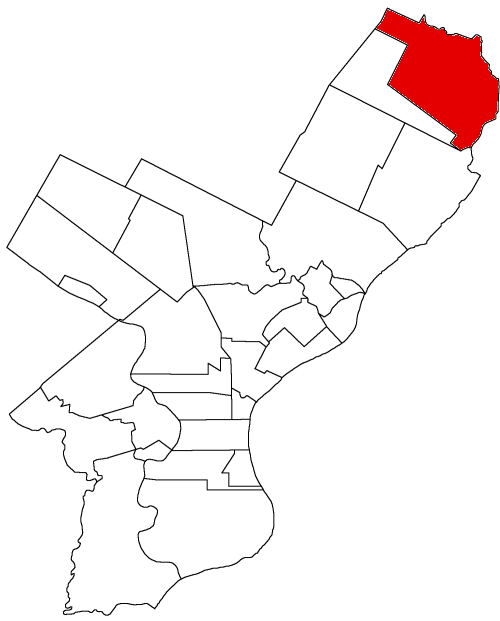
The Pennsylvania park system’s history dates the city’s hospital project to 1906. The location near Roosevelt Boulevard and Southampton Road was chosen in an era when fresh air and open land were considered important to treatment.
The Encyclopedia of Greater Philadelphia dates the arrival of the institution’s first patients to 1911. These dates describe different milestones, rather than one simple opening day.
Byberry was intended to relieve pressure on Blockley, Philadelphia’s crowded institution in West Philadelphia. Moving people toward farms and open space appeared to offer a different kind of setting.
The promise was familiar: distance from city congestion would help create room for recovery. But moving a problem did not necessarily resolve the funding, staffing and management decisions that shaped everyday care.
How a promise became a scandal
Byberry grew into an enormous institution. The encyclopedia reports that it held about 6,100 patients by 1947.
Overcrowding was more than a statistic. It affected whether someone had clean clothing, privacy, attention from staff and a safe place to sleep. Buildings designed for care could become places where basic needs were difficult to meet.
A Philadelphia Neighborhoods investigation describes the photographers who helped expose conditions. Newspaper photographer Mac Parker documented abuses, while conscientious objector Charles Lord took revealing images during his work as an aide in the 1940s.
Those photographs matter because they were evidence. They challenged official explanations and forced outsiders to confront conditions hidden behind institutional walls.
The same reporting describes repeated struggles over money and staffing. It also records efforts to improve care, reminding readers that the hospital’s long history included workers who challenged the system as well as those responsible for its failures.
The people who lived beyond Byberry
The story should not stop at the worst photographs. People survived Byberry, left it and built lives elsewhere.
Philadelphia Magazine’s 2015 retrospective centers those experiences. It describes former patients’ advocacy, resistance to closure and the fear that moving residents out would leave them without support.
The article also reports on a follow-up study that found positive outcomes after the closure. That does not mean every transition was easy, or that every person had the same experience. It does show why the hospital’s history cannot be reduced to a permanent image of helplessness.
Residents were people with knowledge of their own lives. Their accounts are as important as administrative reports when asking what changed and what remained difficult.
Closure did not mean an instant disappearance
Governor Robert Casey directed that Byberry close in 1987. The institution finally shut in 1990, according to the encyclopedia.
For years afterward, the empty campus attracted trespassers, vandals and people photographing its decline. Images from that period became widely circulated online, sometimes without dates or explanations.
Most buildings came down in 2006, and portions of the property were redeveloped. A photograph of a dark corridor taken before demolition is a historical image, not a current invitation to visit.
This is where abandoned-place stories can become misleading. An old photograph continues to travel even when the building it shows no longer exists. Always check the date before building a trip around it.
Finding the landscape today
Benjamin Rush State Park occupies land once associated with the hospital. The state created the park in 1975, while Byberry was still operating.
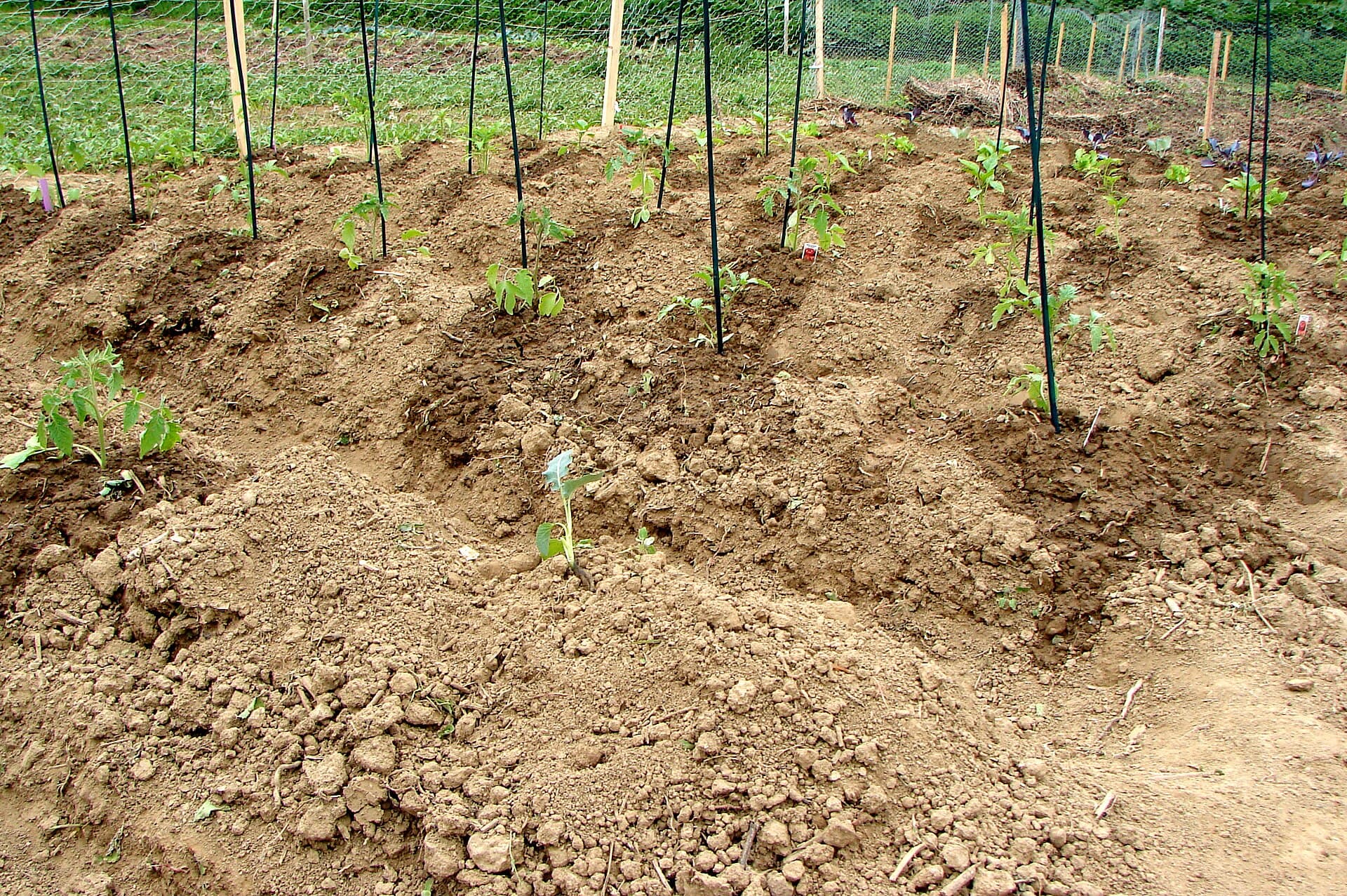
The park’s community garden and outdoor space offer a very different experience from the institutional photographs. The garden image accompanying this article shows the park, not a surviving hospital building.
That distinction is worth keeping clear. A visit can help you understand the scale and setting of the old hospital grounds, but it is not a tour through the former wards.
Consult the park’s current information for routes, facilities and opening conditions. Stay in designated public areas and respect garden plots. Nearby homes, businesses and other properties are not part of an abandoned-site attraction.
For deeper research, use historical accounts and archival collections. Compare dates and institutional names carefully, because sources sometimes use “Byberry” for the hospital, its surrounding neighborhood or different phases of the same institution.
What the missing buildings leave behind
Byberry asks an unusual question of visitors: how do you remember a place whose most recognizable structures are gone?
The answer lies partly in refusing to let dramatic ruins replace the human story. Patient testimony, investigations and the creation of community services explain more than any photograph of peeling paint.
The landscape has changed. The obligation to understand what happened there has not.
Frequently asked questions
Is Byberry State Hospital still standing?
Most of the former hospital complex was demolished in 2006. Do not expect an intact abandoned hospital to explore.
When did Byberry close?
The hospital closed in 1990, following a closure decision announced in 1987.
Can you legally visit the former grounds?
Benjamin Rush State Park provides public access to part of the former institutional landscape. Other parcels have different uses and access rules.
Does the park contain an operating hospital museum?
The park is an outdoor recreation area, not a tour of Byberry’s former wards. Consult historical collections for the hospital’s documentary record.
Image credits
Featured: Frank from Philadelphia, CC BY 2.0. Body: Boothy443, CC BY-SA 3.0.

