Shelter cats needed more space and attention. Inside a maximum-security prison in Indiana, a small group of incarcerated men became their daily caregivers.
At Pendleton Correctional Facility, a former office became a cat sanctuary. Selected men fed the animals, groomed them, cleaned their surroundings, and helped them grow more comfortable around people.
The arrangement addressed a practical need at the Animal Protection League in nearby Anderson. It also gave the men a daily responsibility centered on another living creature.
Known as FORWARD, the program began in 2015. Its story has continued to circulate online, though many details in viral posts come from reporting published years ago.
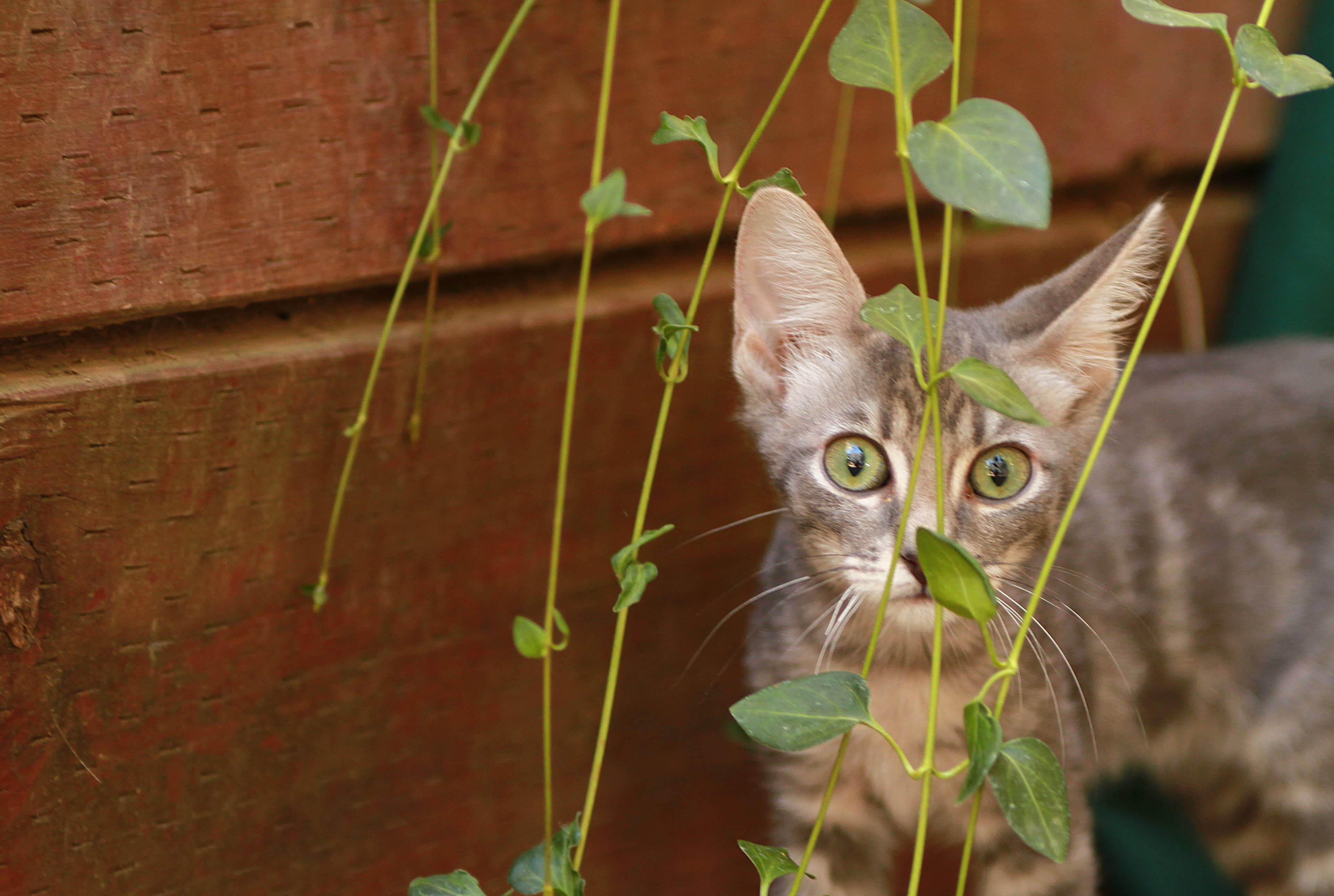
The featured photograph shows a kitten unrelated to the Pendleton program. Photo: Lisa Redfern (Lisafern), Wikimedia Commons, CC0 1.0.

A former office became a shelter for cats
FORWARD stands for Felines and Offenders Rehabilitation With Affection, Reformation and Dedication.
According to Indiana’s 2016 correctional annual report, the sanctuary opened on March 17, 2015, with 12 cats from the Animal Protection League.
An April 2015 report from ABC57 described five carefully screened men caring for the animals inside the converted office.
For a shelter facing a constant demand for space, the partnership offered another place where cats could receive attention. For the caregivers, it created work with a clear and immediate purpose.
Food bowls needed filling. The room needed cleaning. The cats needed someone to show up.
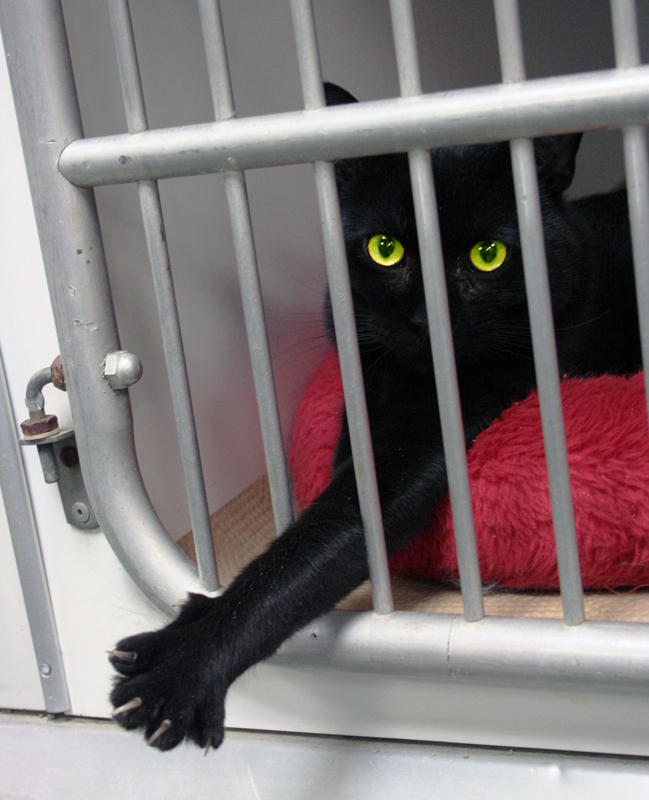
Photo: Galawebdesign / Wikimedia Commons, CC BY-SA 3.0. No editorial changes.

Daily care brought a different kind of responsibility
The work involved more than spending time with friendly animals.
Some cats needed patient attention before they could feel comfortable with people. The sanctuary gave them room to move, climb, hide, and interact with their caregivers.
A published account attributed to The Indianapolis Star’s October 2020 reporting described more than 20 cats living in the sanctuary. Selected men worked six hours a day, seven days a week, earning 20 cents an hour.
Those figures describe the program at that time. They should not be treated as its confirmed schedule or pay today.
The daily tasks included cleaning litter boxes, providing food and water, brushing coats, and trimming nails. The aim was to care for the cats while helping prepare them for adoption.
Caregivers described changes in themselves
The men also spoke about what the work meant to them.
In ABC57’s early coverage, participant Barry Matlock said helping the cats had helped him become calmer and more mature.
His account offered a personal view of the program’s value. It did not establish a clinical treatment result, but it showed how a routine built around care could matter to someone living in prison.
The responsibility was concrete. An animal depended on the work being done, every day.
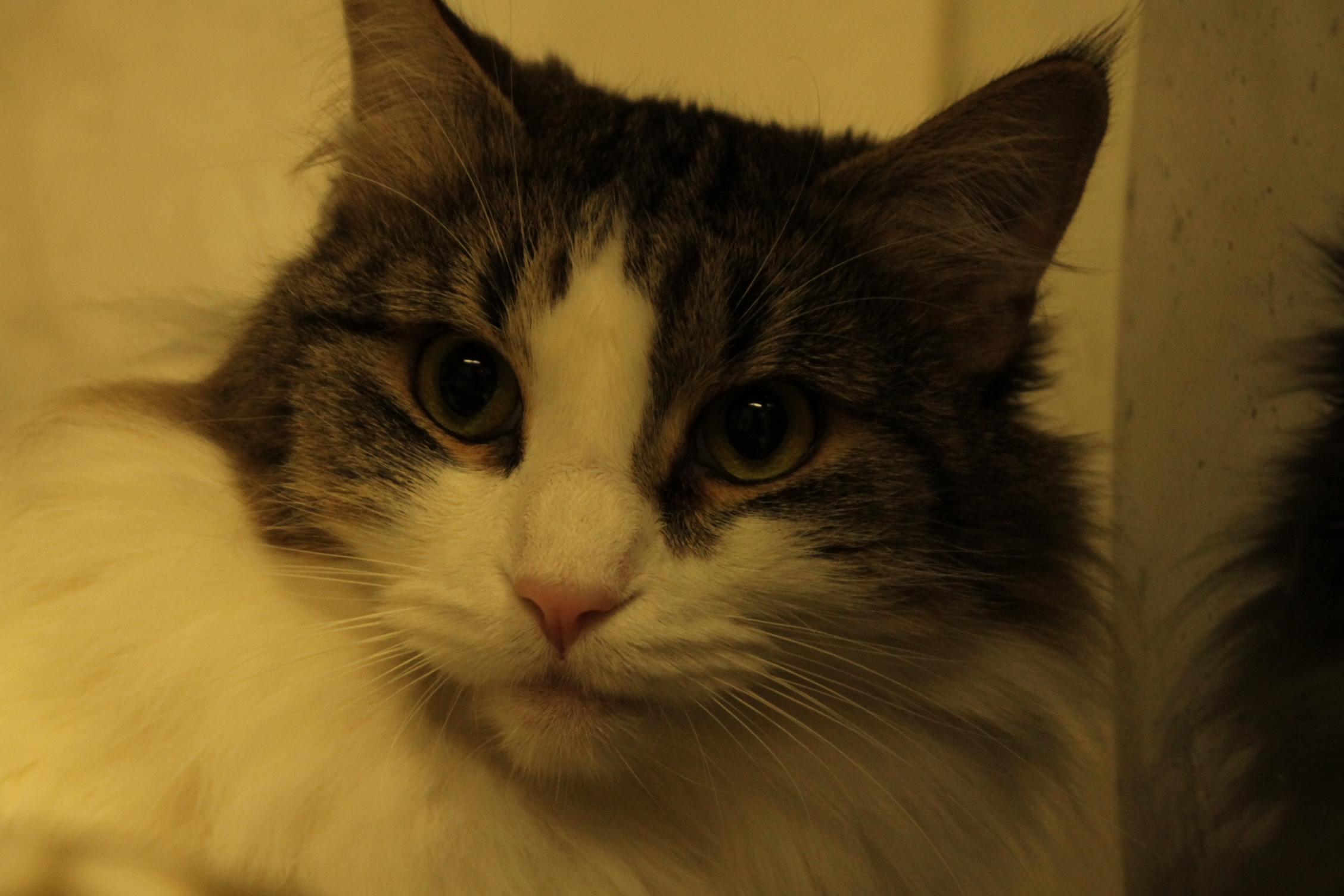
Photo: Noah Wulf / Wikimedia Commons, CC BY-SA 3.0. No editorial changes.

The program earned national recognition
By October 2022, approximately 60 cats and kittens had spent time at the facility since the program began, according to WRTV’s follow-up reporting.
That month, FORWARD received the ASPCA’s Cat Advocate of the Year Award.
Facility employee Chloe Wargny described seeing progress among both the animals and their caregivers. She told WRTV about one withdrawn cat who would come out for particular people, allowing them to pet it.
That was a modest but meaningful change: a cat choosing to approach someone it had learned to trust.
Indiana’s current facility website continues to list FORWARD among Pendleton’s programs. Its detailed daily operations require a fresh update, but the documented history remains clear.
A room inside a prison became a place where shelter cats received attention and care. The men entrusted with that work gained an opportunity to do something useful for animals that needed them.