Manuel Noriega said he learned he was in a Call of Duty game from his grandchildren. The former ruler of Panama then sued its publisher over the use of his name and likeness. In October 2014, a California judge dismissed his case.
The unexpected family connection appears in the court’s own account of Noriega’s declaration. It is part of a real lawsuit involving Call of Duty: Black Ops II, the 2012 game that placed a version of the former dictator inside a fictional military story.
What followed was a dispute over how much control a public figure could exercise over a creative work that used his identity.
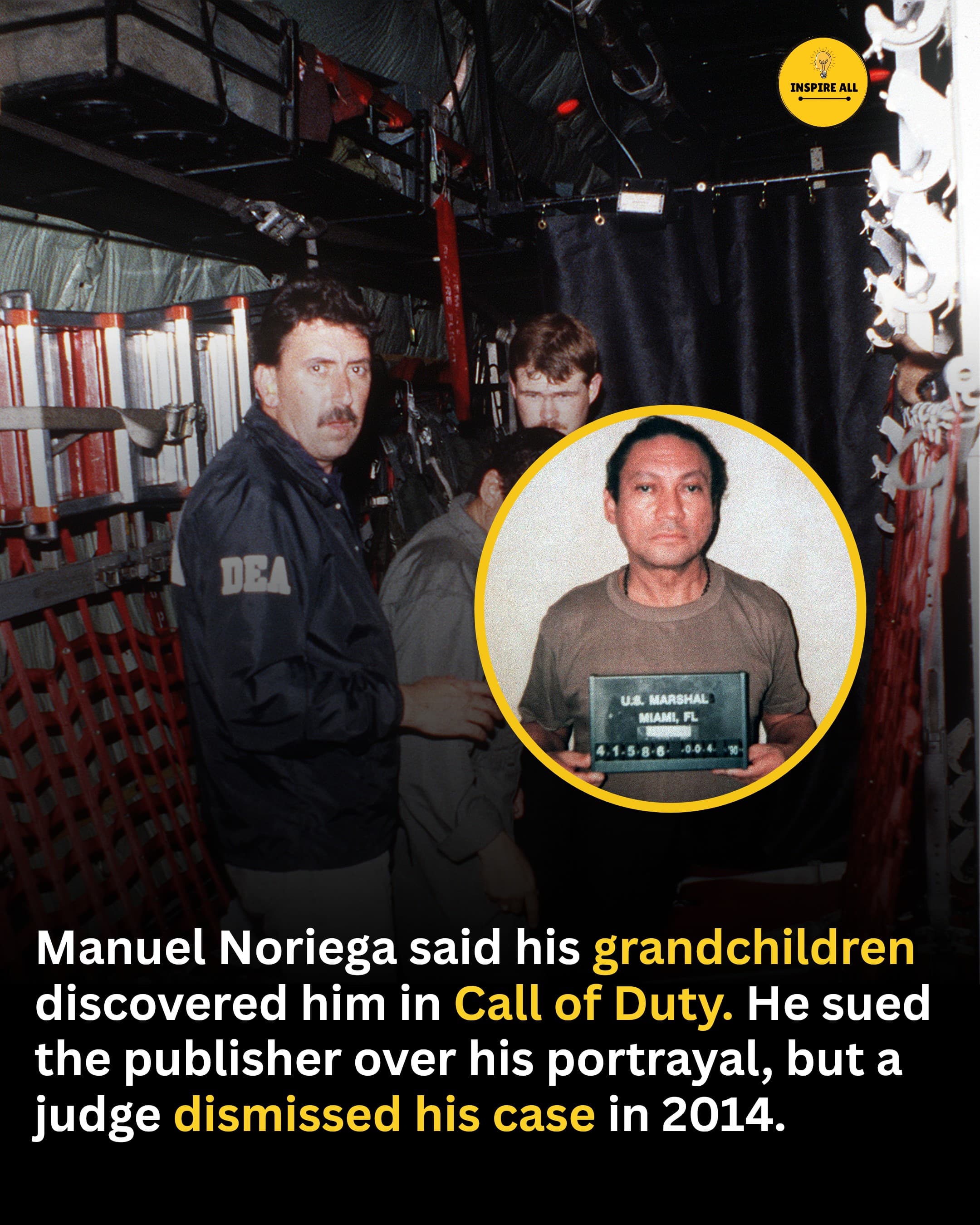
Featured archival photograph: Noriega escorted by DEA agents aboard a military aircraft in 1990. U.S. Air Force / Wikimedia Commons, public domain in the United States. The photograph predates the lawsuit.

His grandchildren alerted him to the game
The story’s most unusual detail was not simply added by later social media posts.
In its October 27, 2014 order, reproduced in an appendix to a later court filing, the Los Angeles County Superior Court summarized Noriega’s declaration: he had been unaware that his image and likeness were being used until his grandchildren told him.
That establishes the source of the account. It was Noriega’s statement in litigation, rather than an independently documented conversation with the children.
The distinction matters. The family detail helps explain how he said he discovered the game, but it should not become invented dialogue or a scene with imagined reactions.
A former dictator challenged a fictional portrayal
Noriega had ruled Panama from 1983 until the U.S. invasion in December 1989 removed him from power. He surrendered to American troops in January 1990.
He subsequently served prison time in the United States and France before returning to Panama in 2011. Reuters reporting carried by SBS describes his convictions and imprisonment, including sentences in Panama connected to political killings.
He was imprisoned in Panama when the video game dispute reached a California court.
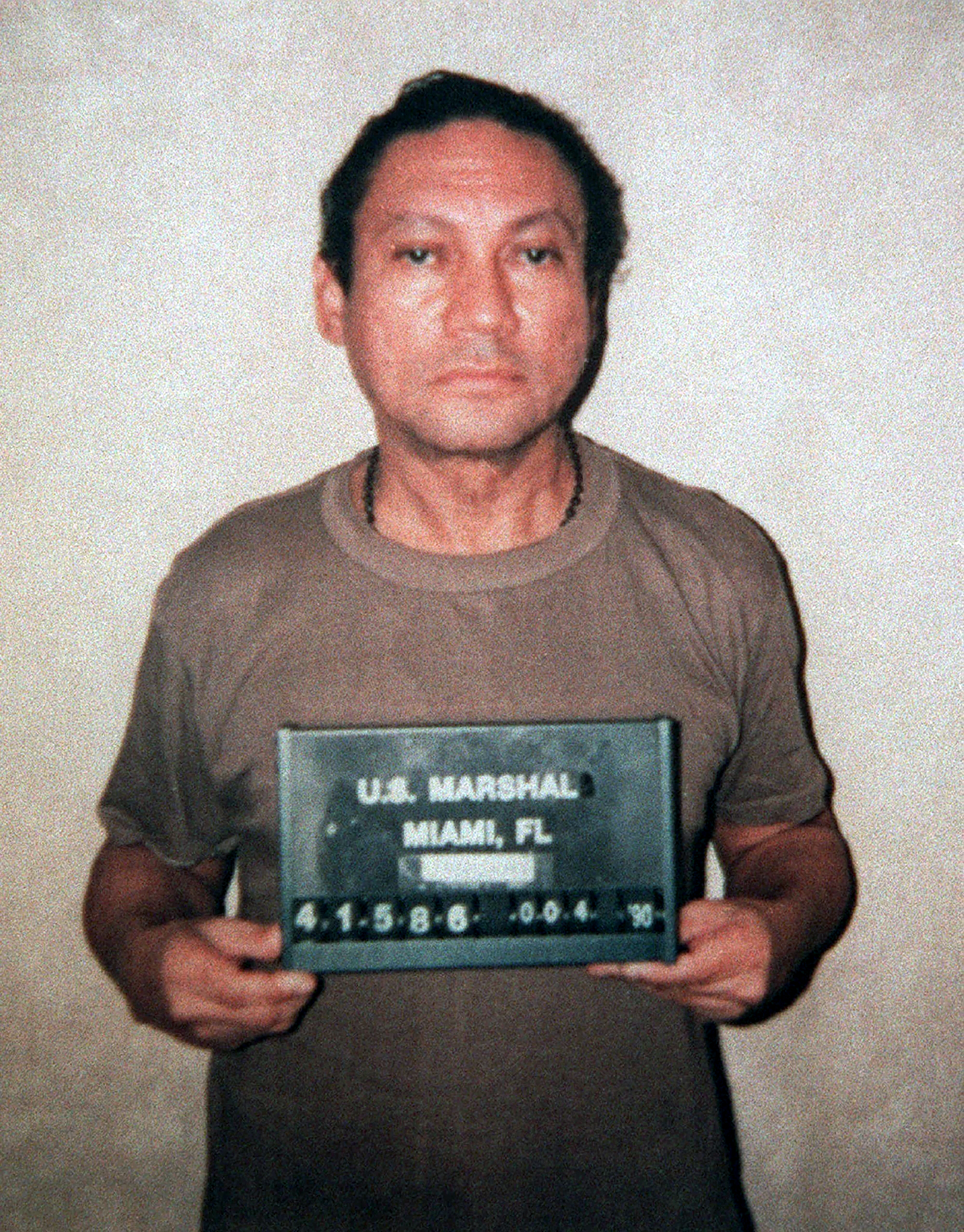
Photo: U.S. Marshals Service / Wikimedia Commons. Archival photograph, not an image from the 2014 proceedings.

Noriega filed his complaint on July 15, 2014. He alleged that Activision had used his identity without permission and portrayed him as an antagonist involved in fictional crimes.
Contemporary PBS coverage described his demand for damages over that portrayal.
These were the claims he brought. They were not findings that the publisher had violated his rights.
Why the judge dismissed the lawsuit
Judge William H. Fahey considered Noriega’s appearance in the context of the whole game.
The court recorded that his character appeared in two of its 11 missions, among more than 45 characters. His appearances lasted only minutes, with fewer than 30 spoken lines. Players could not take control of him, and the publisher did not use his character in the game’s marketing.
Those details helped explain the outcome. Noriega was a small element within a much larger fictional work.
A contemporary analysis by Fenwick & West explains that the court treated the use as transformative: his likeness was incorporated into a broader creative expression protected by the First Amendment.
The judge granted Activision’s motion to strike and dismissed the complaint with prejudice.
A legal dispute with a lasting historical twist
Activision’s defense team included former New York City Mayor Rudy Giuliani. In its October 28, 2014 announcement, the company welcomed the dismissal as a victory for free expression.
That was the publisher’s response to winning the case. The legal result rested on the court’s analysis of this particular portrayal.
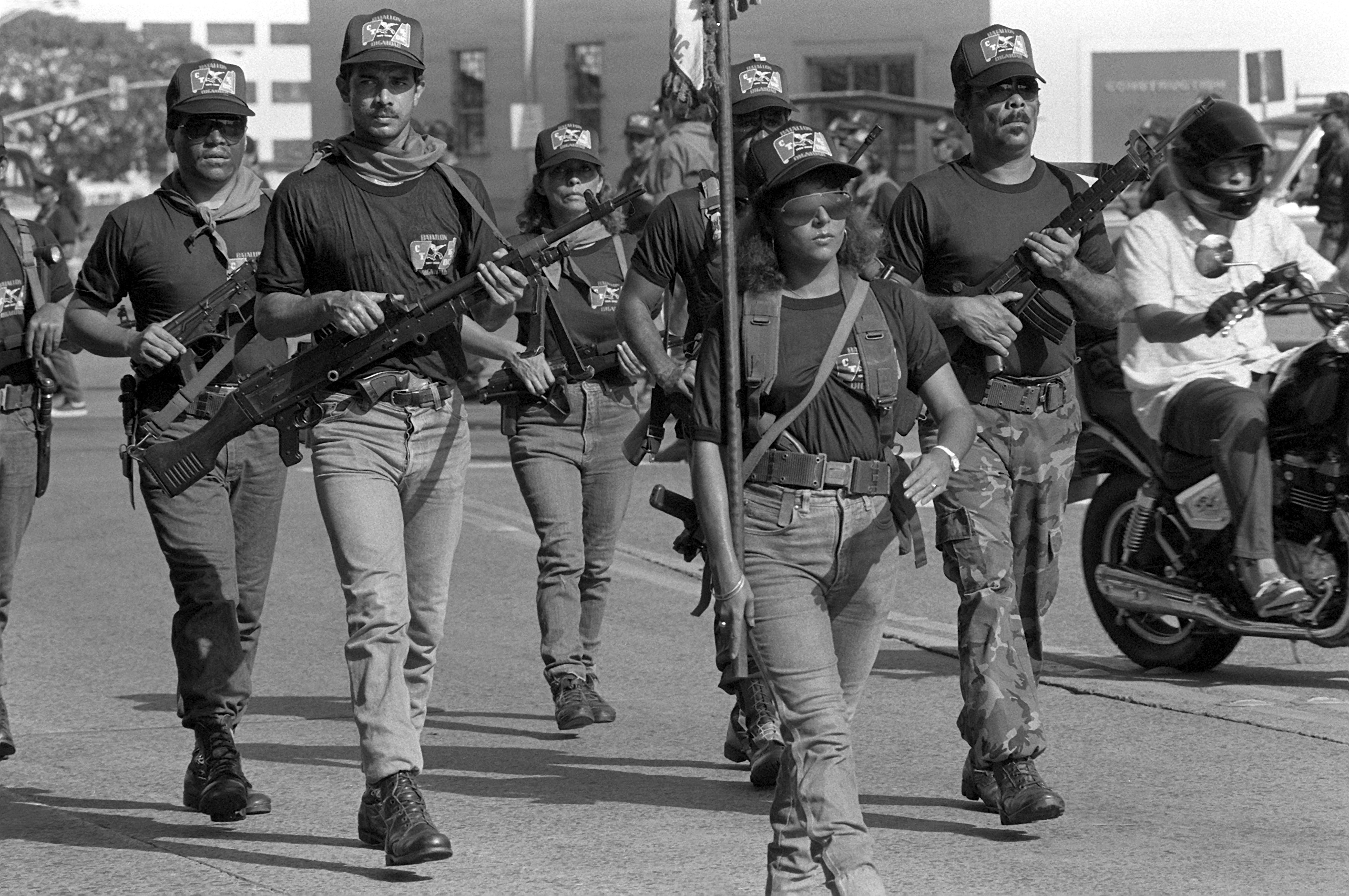
Archival photo source and rights information. This photograph documents the period of Noriega’s rule, not the video game.

Noriega died in Panama on May 29, 2017. The lawsuit remains a historical episode, rather than a current dispute.
Its unusual starting point is supported by the record: a former dictator said his grandchildren had alerted him to his appearance in a game. Its ending is equally clear. He challenged that appearance in court, and the judge upheld the publisher’s First Amendment defense.