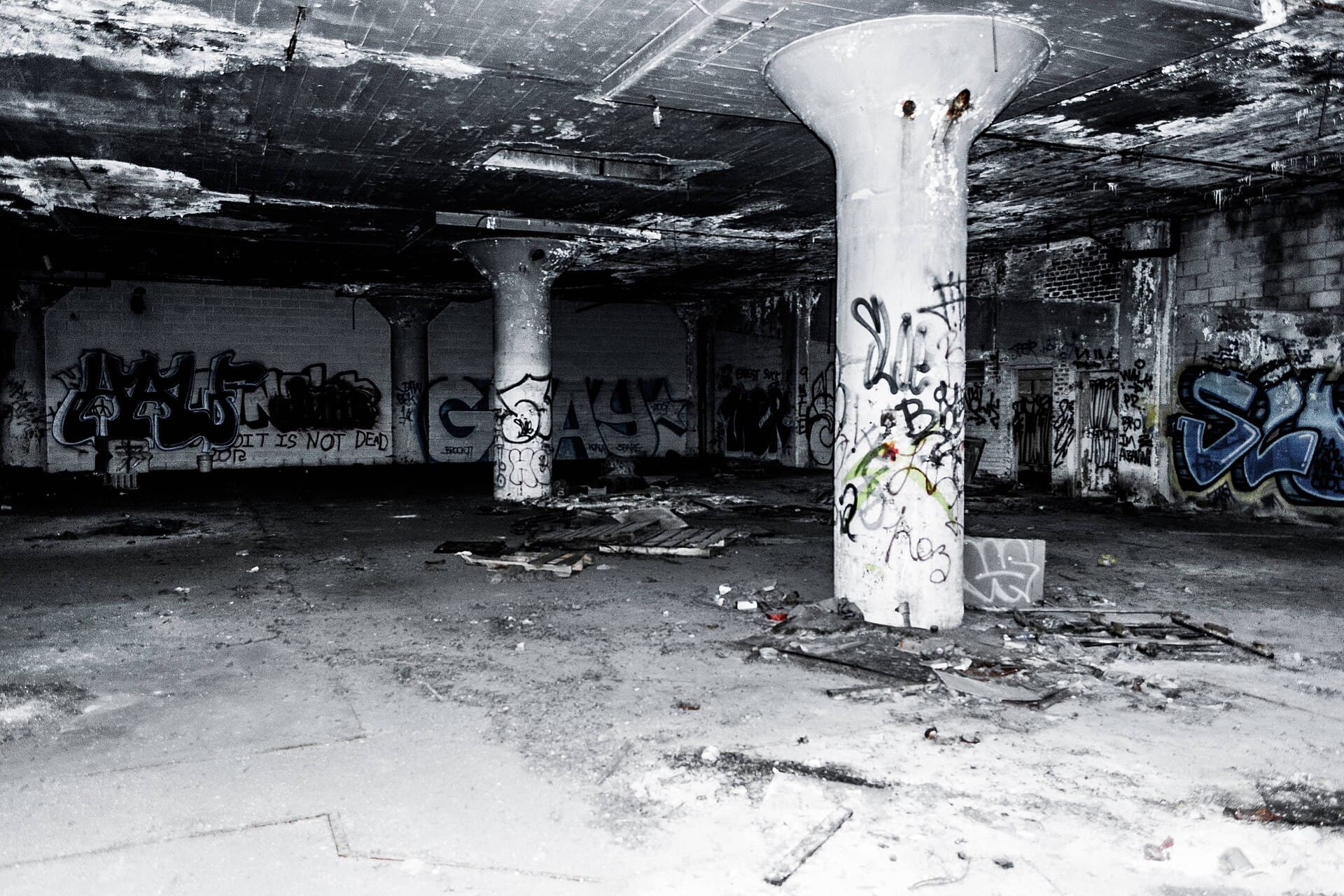
Detroit’s famous factory ruin has changed so much that old photographs can now be misleading.
The Packard Automotive Plant began producing cars in Detroit in 1903 and ended Packard automobile production there in 1956. Decades of mixed use and decline followed. Large-scale demolition has since removed much of the complex, while the future of surviving portions and cleared land remains unsettled.
As of November 2026, this is a redevelopment site, not a public ruin attraction. Its most important story begins long before broken windows became its familiar image.
A factory that helped change factory design
Packard’s early Detroit buildings used conventional brick and timber construction. The important departure came with Building No. 10, where Albert Kahn and his engineer brother Julius used reinforced concrete.
The Society of Architectural Historians explains how this approach created more useful manufacturing space with fewer interruptions from supports. The structure served the production process, helping machinery, materials and people move through the building. SAH Archipedia
The Albert Kahn Legacy Foundation describes the first factory as a coordinated architectural and engineering project that expanded quickly. It also notes that the original buildings were later replaced by concrete structures. Albert Kahn Legacy Foundation
Before the windows broke
Packard built its reputation around quality automobiles. The factory also produced engines during World War II, tying its work to a national effort far beyond Detroit.
Historic Detroit traces the company’s move from Warren, Ohio, to Detroit and describes the enormous complex that grew around East Grand Boulevard. It also connects the final decline of Packard production with the troubled 1954 combination with Studebaker. Historic Detroit
Those business decisions reached the factory floor through jobs, shifts and orders. A large building might appear permanent, but its usefulness depended on a company continuing to sell what workers made inside.
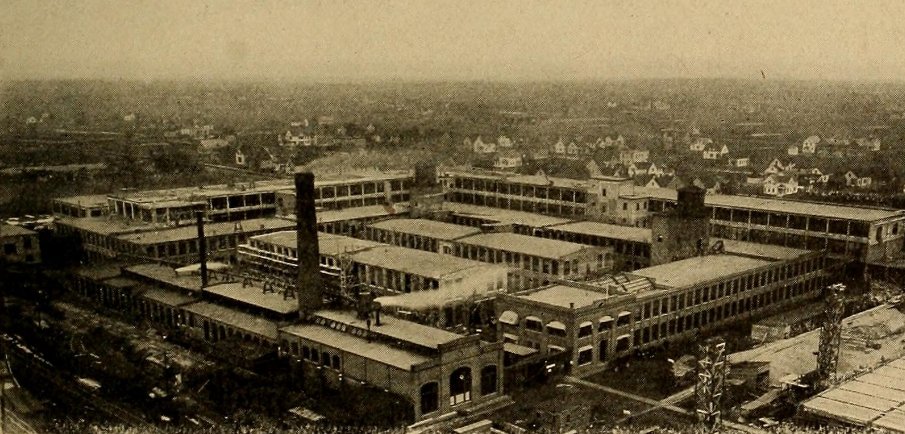
The historical view below offers a useful contrast with the featured 2016 photograph. One presents a factory as a place of promise; the other records a later period of deterioration.
Why 1956 was not the end of every use
The end of Packard car production did not instantly empty every building. Portions of the property later served other businesses and industrial tenants.
That distinction matters because “closed in 1956” can create the false impression of a sealed time capsule. The complex continued to change after the automaker left.
The Kahn foundation’s history follows the plant’s evolution from its early buildings to its eventual demolition. The long lifespan of the physical property extended beyond the much shorter lifespan of its original business. Construction and demise of the Packard plant
Over time, disrepair and failed revival efforts became central to its public identity. The plant increasingly appeared in photographs as a symbol of the city around it.
That symbolism could be unfairly broad. A single damaged factory cannot describe every Detroit neighborhood, business or resident.
From ruin photography to demolition
Demolition began in earnest in 2022 after legal action over the property’s condition. The work changed the landscape that older exploration videos still present as intact.
By the time later redevelopment proposals were announced, the discussion centered on cleared land and selected surviving structures, rather than restoring the full industrial complex.
The December 2025 city announcement described a proposed project covering 28 acres and retaining a legacy Kahn-designed building. Its wording was explicitly about a plan and a letter of intent. City of Detroit announcement
A letter of intent is a step toward a project. It is not a completed development, a building permit for every feature, or an opening announcement.
What changed in 2026?
In March 2026, Detroit’s administration said it was exploring a wider range of options after the earlier letter of intent expired.
Local broadcaster WDIV reported that the proposed scheme had included manufacturing space, public areas and cultural uses. The city’s reassessment meant those features could no longer be presented as a settled future. WDIV’s March 2026 report
For readers, the practical lesson is simple: check the date on redevelopment stories. An exciting rendering may describe a proposal that has since changed.
The sources reviewed for this article do not establish an opening date for a new public destination on the property.
How to explore the history responsibly
The former plant is not an open-access museum. Do not enter fenced land, surviving structures or work areas based on old photographs.
A better starting point is the architectural record. Compare the early factory image with plans and later photographs. Notice how building materials, floor layouts and production needs changed together.
Detroit’s public automotive museums offer a broader setting for understanding the cars and manufacturing culture associated with Packard. Confirm their current exhibits before expecting a particular vehicle or display.
The plant’s legacy is larger than its ruined years. It helped shape how factories were designed, then became a difficult test of what happens when a vast industrial property outlives its original purpose.
Frequently asked questions
When did Packard stop making cars here?
Packard automobile production at the Detroit complex ended in 1956.
Is the entire original plant still standing?
No. Extensive demolition has removed much of the complex. Older photographs do not show current conditions.
Is the announced Packard Park project complete?
No. Detroit reassessed the proposal in March 2026 after the earlier agreement period ended.
Can visitors explore the property?
There is no general public access established for exploring the remaining buildings or cleared site.
Image credits
Featured image: Alecothegecko / Wikimedia Commons, CC BY-SA 4.0. The interior of Detroit’s Packard plant in June 2016, before later large-scale demolition.

Body image: The Outing Publishing Company / Wikimedia Commons, Public domain.
