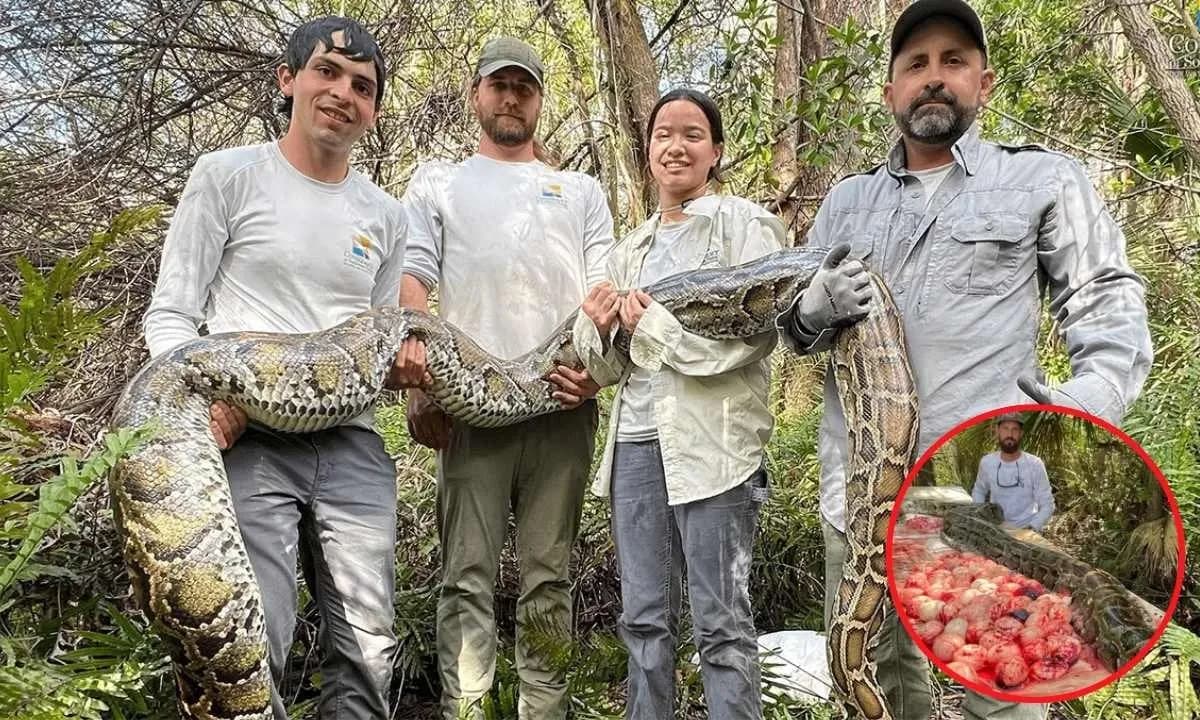
Biologists just revealed a jaw-dropping haul: 20 tons of invasive Burmese pythons removed from Florida’s Everglades in a decade. Some of the captured monsters stretched nearly 18 feet and weighed more than 200 pounds. The discovery sets the stage for this summer’s high-stakes Florida Python Challenge.
Scientists estimate tens of thousands of the giant snakes still roam the wetlands. Each female can lay up to 100 eggs, turning one survivor into a colony within years. Since November alone, 6,300 pounds have been pulled from a 200-square-mile hotspot.
Studies link the snakes to steep drops in raccoon and rabbit numbers across the Everglades. Experts say more than 85 native species now appear on the python menu. Biologists fear unchecked losses could ripple into tourism and water-quality bills.
What secret weapon finally gave scientists an edge—and can weekend hunters really help finish the job? Keep reading to trace the python’s hidden trail from pet shops to repeat champion hunters.
Burmese pythons slipped into Florida in the 1970s when exotic pets escaped or were released. Without natural predators, they thrived in the warm swamps and multiplied at dizzying speed. Wildlife officers now believe every hatch could double local numbers unless nests are found first.
Enter the “scout snakes”: radio-tagged males released to betray hidden breeding females. By tracking their courtship journeys, biologists locate nests deep inside sawgrass islands. “Through years of research we’ve developed science-based methods to track this apex predator,” explained Ian Bartoszek.
His team’s 20-ton haul since 2013 has stopped about 20,000 eggs from ever hatching. Some captured females stretched 16 to 18 feet and tipped scales at 215 pounds. “Every single python that’s removed is positive for the environment,” stressed Mike Kirkland of the South Florida Water Management District.
His agency alone has logged 15,650 euthanized snakes with help from 50 contracted hunters. Andrew Durso warns, “Complete eradication is probably not realistic.” Still, he notes smaller females are now turning up, hinting at pressure on the population.
Viral videos of python-alligator showdowns pull millions of views and scores of volunteer emails each week. The momentum peaks during the annual Florida Python Challenge, now set for July 11–20. Organizers hope to beat 2024’s mark of 195 snakes caught by 895 registered hunters.
Anyone can join after a free online quiz and a $25 registration fee. Separate divisions reward novice and professional hunters, with special honors for military veterans. Cash prizes add fuel to the competitive spirit, while each snake adds real relief for wildlife.
Field cameras now record bobcats and endangered indigo snakes preying on young pythons. Biologists cautiously read that as nature slowly reclaiming balance. Yet sightings are expanding northward toward Lake Okeechobee, proving the race is far from won.
The fight knits together state agencies, universities, federal parks, and even scent-tracking dogs. New drone surveys and thermal cameras scan marshland at night, detecting heat signatures of lurking pythons. Durso says such layered tactics form “the best path forward” against a stealthy invader.
Each captured snake frees space for marsh rabbits, foxes and wading birds to rebound. Bartoszek believes the Everglades could “start breathing again” if momentum keeps building. Until then, the swamp’s future may hinge on how many brave hands drag out the next giant coil.