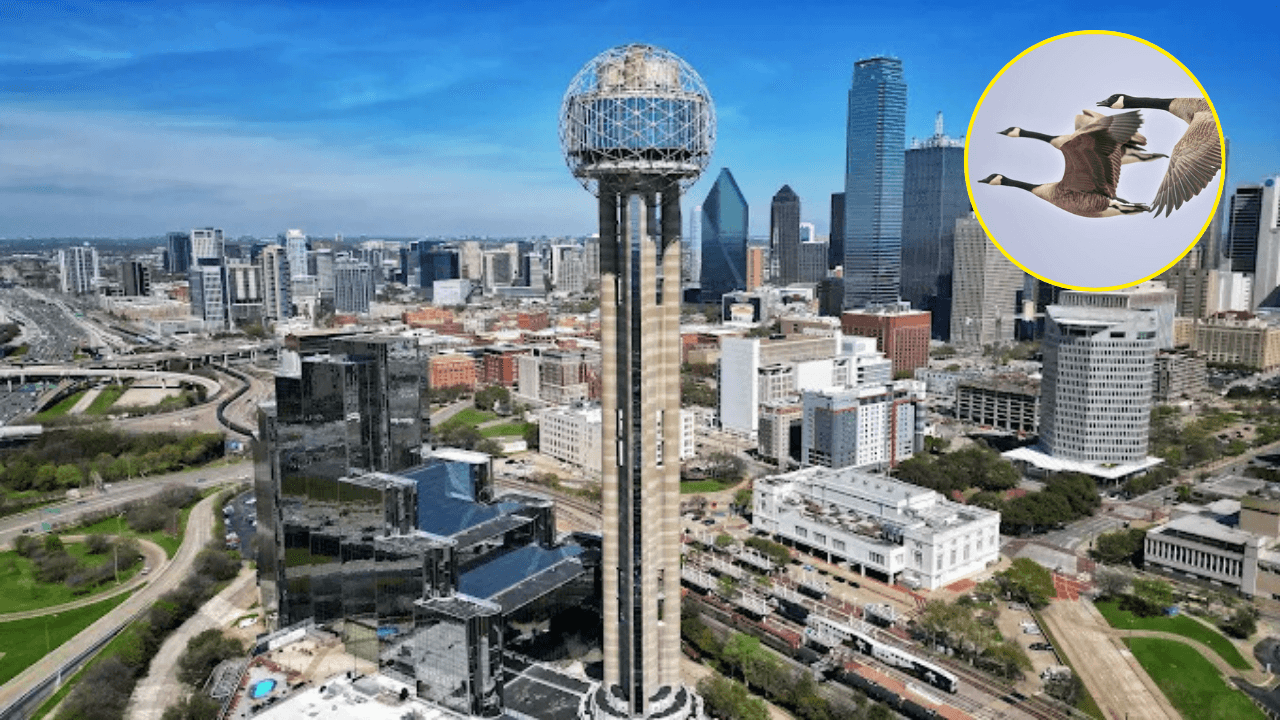
Reunion Tower has stood tall over Dallas since 1978, a glowing crown of lights guiding locals home and wowing visitors. But one cool spring evening in 2024, something remarkable happened. The tower, always lit, always visible, went completely dark.
For the second time in its 45-year history, Reunion Tower voluntarily blacked out. Not because of a power outage. Not for maintenance. But for the birds.
That night, tens of thousands of migratory birds were making their way across North America, following ancient flight paths that pass directly over Texas. These birds travel at night, guided by the moon and stars. But bright city lights confuse them, throwing off their sense of direction and leading many into buildings, glass walls, and fatal collisions.
Dallas is one of the worst hotspots in the country for these bird deaths. And the team at Reunion Tower decided it was time to act.
With the help of conservation groups like Lights Out Texas, city leaders and tower managers planned a coordinated blackout during peak migration. When the sun set, the lights stayed off. And in their place, something rare happened: silence. A normally electric skyline turned gentle. People in the city stopped and looked up, noticing what they usually never see, just how bright Dallas really is.
This wasn’t just a quiet protest or symbolic gesture. It worked. Scientists tracking bird movements confirmed that collision numbers dropped that night. Thousands of birds safely passed over Dallas without the disorienting glow.
For many, it was a wake-up call. If turning off one building’s lights for a few hours could save that many birds, what else could we do?
Reunion Tower’s moment in the dark became a beacon, not of light, but of intention. A sign that even icons can change for the better. And in doing so, they help something much smaller, more fragile, but no less miraculous survive.
The birds flew on. The city watched. And for once, the brightest thing in Dallas was an act of quiet kindness.