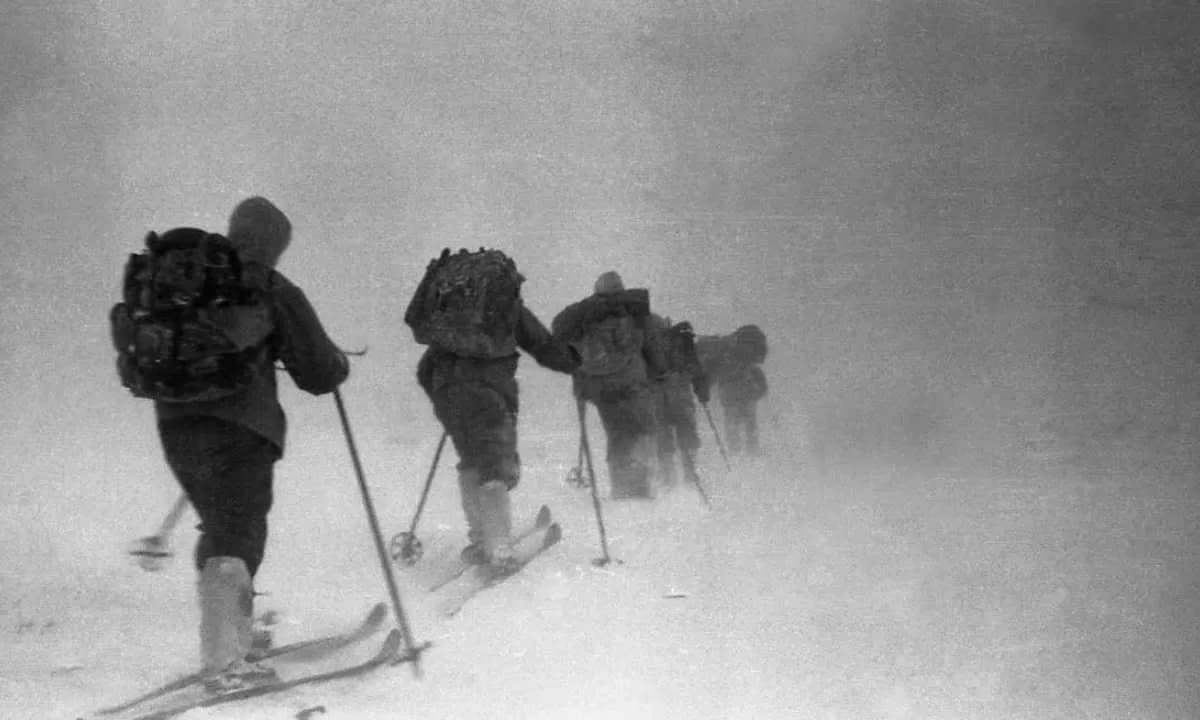
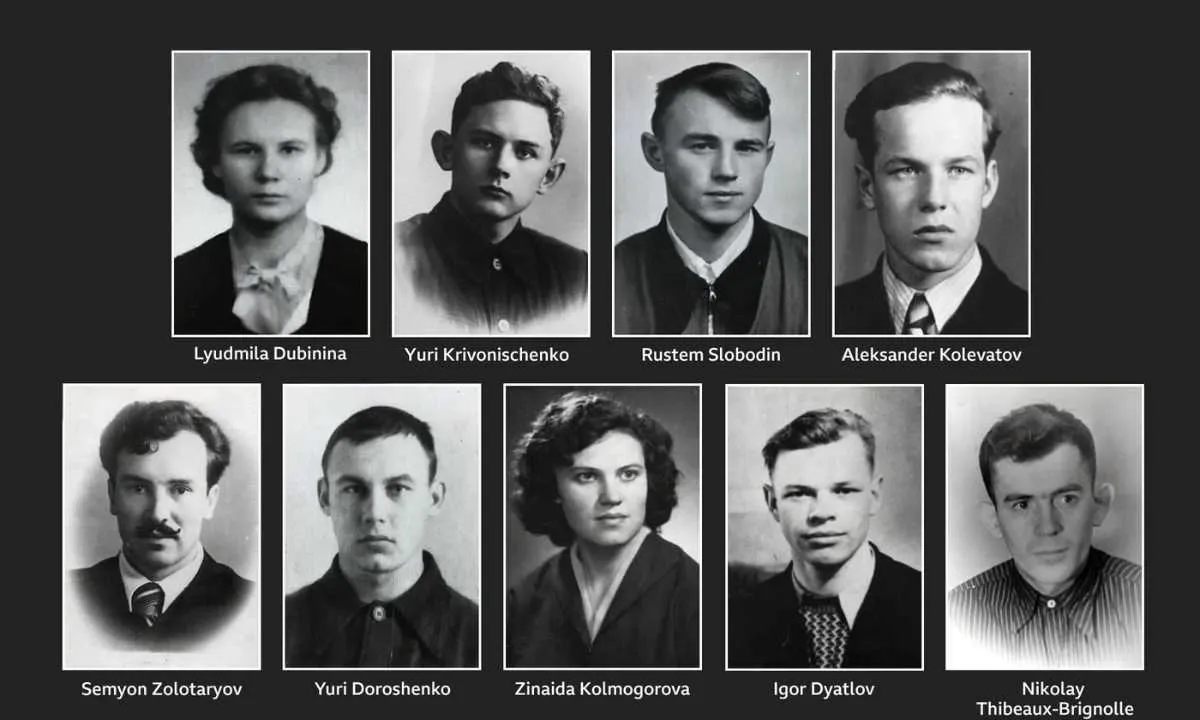
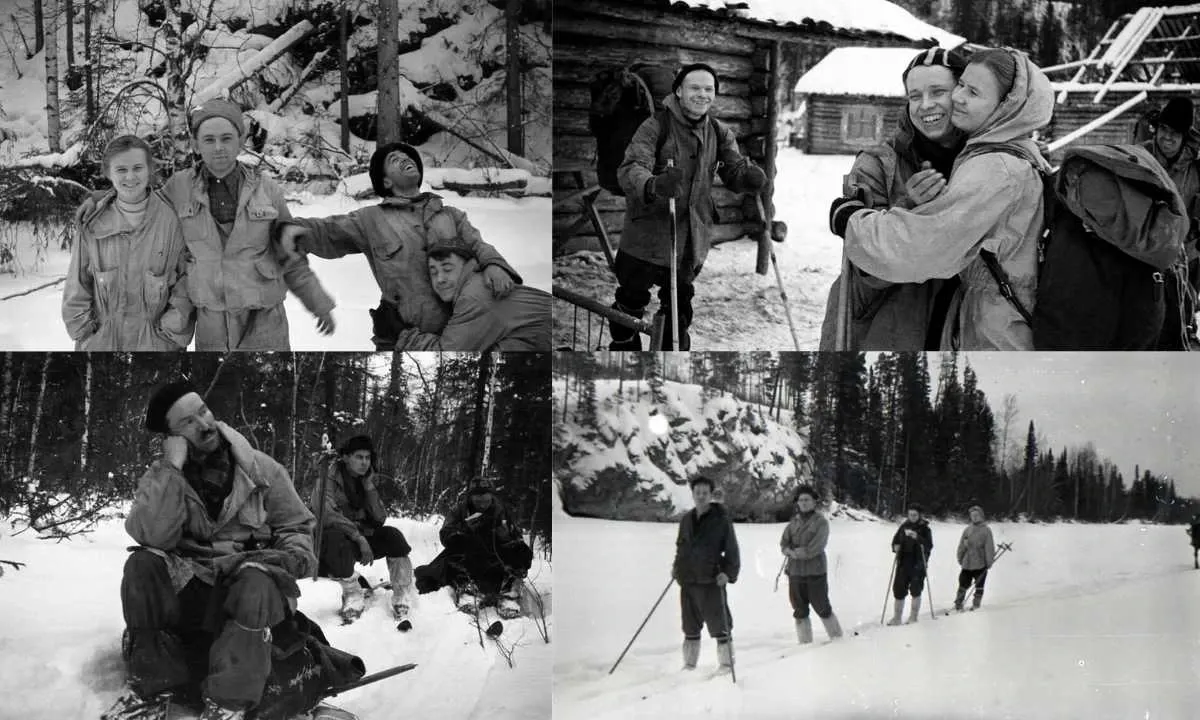
In February 1959, nine hikers set off on what should have been a daring yet manageable journey in the Ural Mountains of Russia. Led by Igor Dyatlov, their aim was to reach the summit of Otorten Mountain. All nine were experienced, holding a Grade II certification in hiking, and ranged from age 20 to 38. Their expedition was set to reach Grade III difficulty, testing their skills to the utmost.
On January 27, 1959, the group began their venture into the ice and snow. Trust and camaraderie amongst them were evident. Their return was expected by February 12. However, that day marked the beginning of a mystery that would never truly unravel. The hikers, known for their prowess, did not return, and a chilling tale was about to unfold.
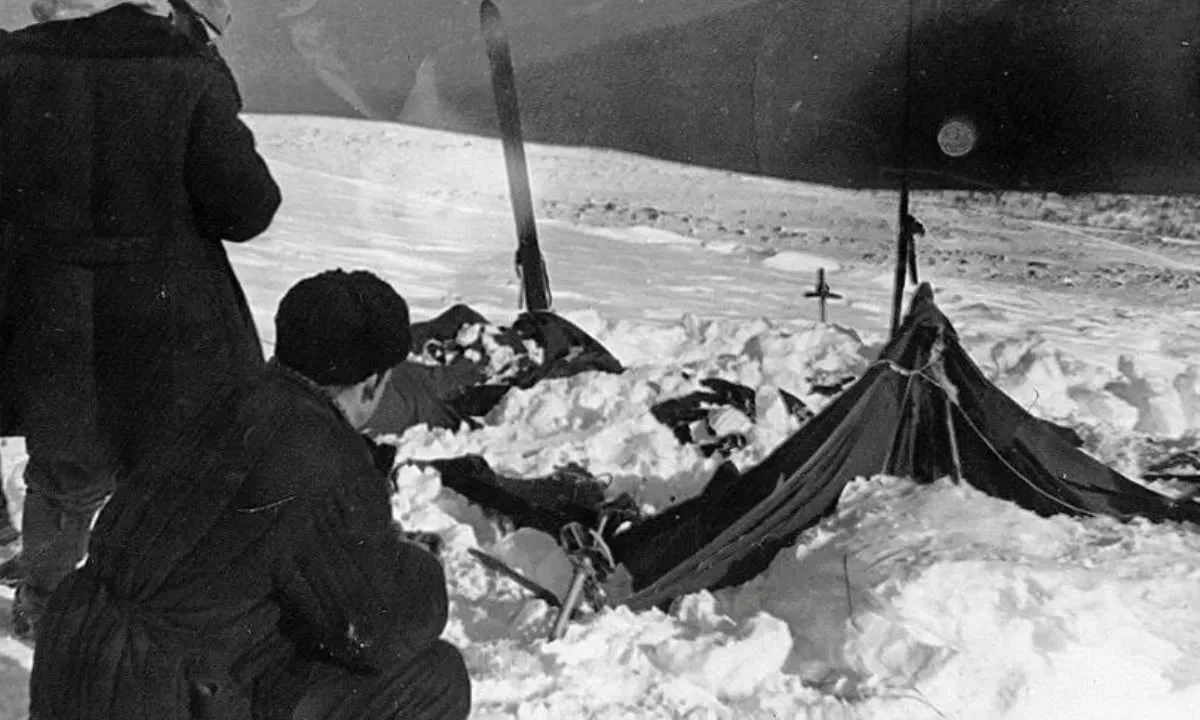
As the days passed with no word from the team, loved ones began to worry. On February 20, a search party was formed, braving the biting cold in hopes of finding their friends and family. Yet, what they stumbled upon on February 26 froze their hearts. The hikers’ tent was a ghostly sight, partly collapsed and covered in snow.
Oddly, it appeared to have been slashed open from the inside. Several belongings, including shoes, laid untouched. The snow told a tale of footprints, some barefoot— baffling given the frigid weather.
Four bodies were found under a large Siberian pine, almost as if nature held them in a frozen embrace. They were without shoes and tragically underdressed for the cruel cold. Two months later, the remaining five were discovered, scattered across the landscape, some exhibiting grisly trauma. Odd injuries, missing eyes, a tongue gone, and vanished eyebrows painted a picture of horror and bewilderment.
Initial theories pointed to hypothermia. Yet, questions lingered: why such severe injuries, inconsistent with a simple freeze? The Soviet authorities, faced with an enigma, called it the work of a ‘compelling natural force.’ From here sprouted theories of animal attacks or covert military operations, even whispers of otherworldly forces.
In 2019, an official probe looked to lay the matter to rest, marking an avalanche as the grim culprit. But skeptics pointed to the absence of typical avalanche signs and the hikers’ peculiar afflictions.
Decades on, the Dyatlov Pass incident continues to intrigue and haunt. Researchers, detectives, and captivated minds alike ponder over this unnerving conundrum. With truth held prisoner by time and elements, we are left to wonder at the possibilities. Did nature’s fury alone claim them, or were the answers more sinister? And there, under the shroud of mystery, the story lies: an eternal enigma inviting speculation, its grip steady across the annals of chilling history.