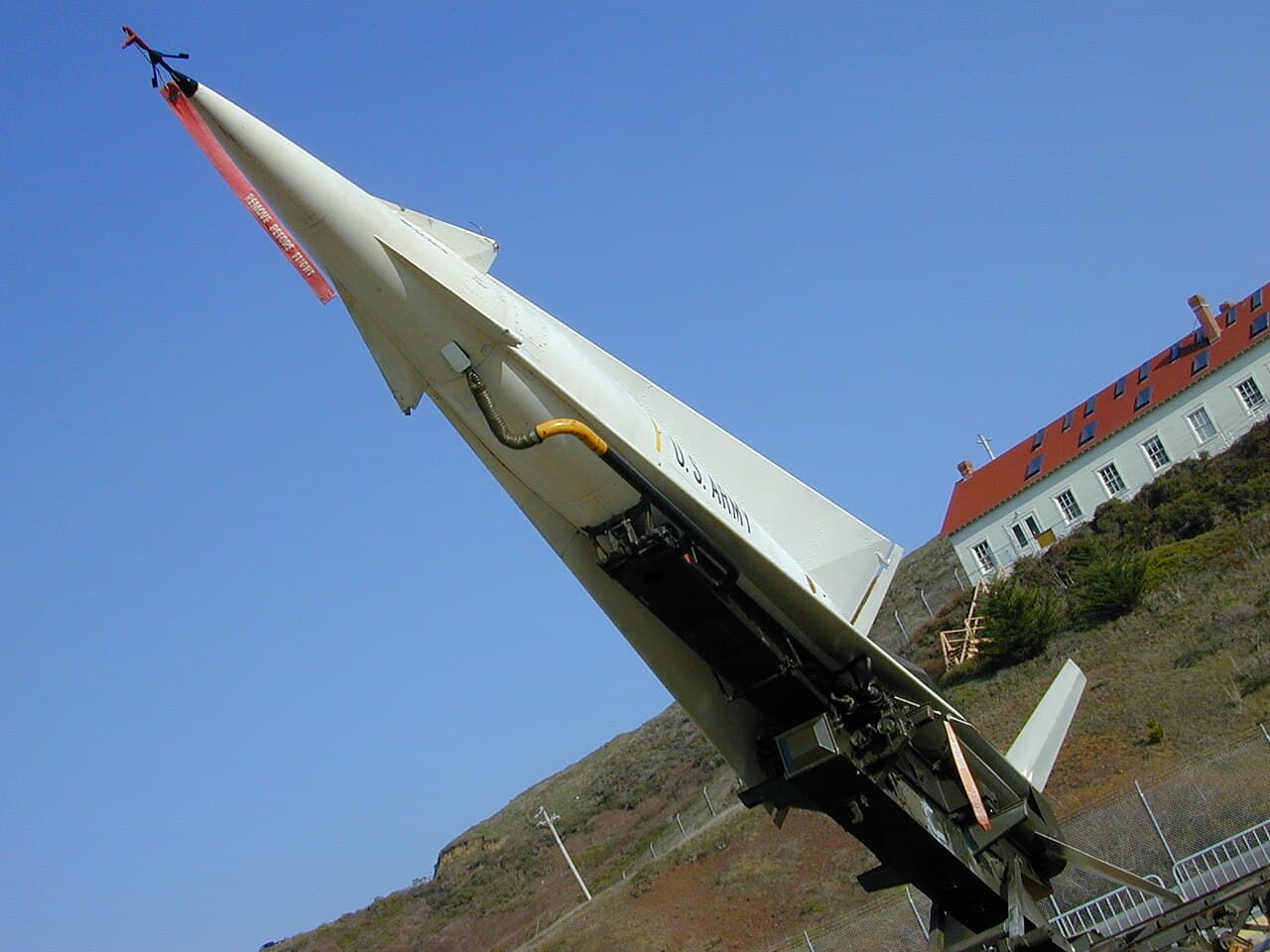
Behind the Golden Gate, a preserved missile base reveals how close the Cold War came to everyday life.
Nike Missile Site SF-88 is a former air-defense installation in California’s Marin Headlands. It operated from 1954 to 1974 and now survives as a National Park Service historic site. Public access is limited to scheduled openings, so this is a visit to plan rather than a ruin to enter freely.
Its preserved equipment makes an abstract period tangible. Here, national defense meant radar screens, maintenance routines, underground storage, and crews ready to respond.
Why Nike Missile Site SF-88 was built
During the early Cold War, American planners worried about enemy bombers reaching major cities and military facilities. Nike missiles formed a final defensive layer around important targets.
The San Francisco Bay Area had a network of these installations. SF-88 occupied part of the older military landscape in the Marin Headlands, near Fort Barry.
The National Park Service’s Fort Baker cultural landscape report places SF-88’s operation between 1954 and 1974. Its mission belonged to a period when guided missiles replaced older antiaircraft guns in many defensive roles.
The site’s setting can feel remote today. Yet its purpose was closely tied to the busy region across the water. The headlands were part of the city’s defensive perimeter.
From Nike Ajax to Nike Hercules
The early Nike Ajax was the first operational American surface-to-air guided missile system. Radar helped track a target and guide the missile toward it.
The Smithsonian National Air and Space Museum explains the Ajax’s development and replacement by the more capable Nike Hercules.
This change reflected the rapid pace of Cold War technology. A system could be expensive, modern, and strategically important, then require major revision within a few years.
At SF-88, the transition to Hercules brought nuclear capability and increased security in 1959. The NPS interpretive wayside explains that development within the Bay Area’s defense network.
The preserved missiles are museum objects today. Their presence should not be mistaken for an active weapons installation.
A missile was only one part of the system
The large white missile naturally draws attention, but a functioning Nike site required much more. Launch facilities, radar controls, maintenance equipment, and administrative spaces worked together.
During active service, these functions occupied separate areas. Some equipment now displayed together was brought into a more convenient arrangement for interpretation.
That distinction helps visitors read the museum accurately. A restored display may explain an entire system without reproducing every original distance between its components.
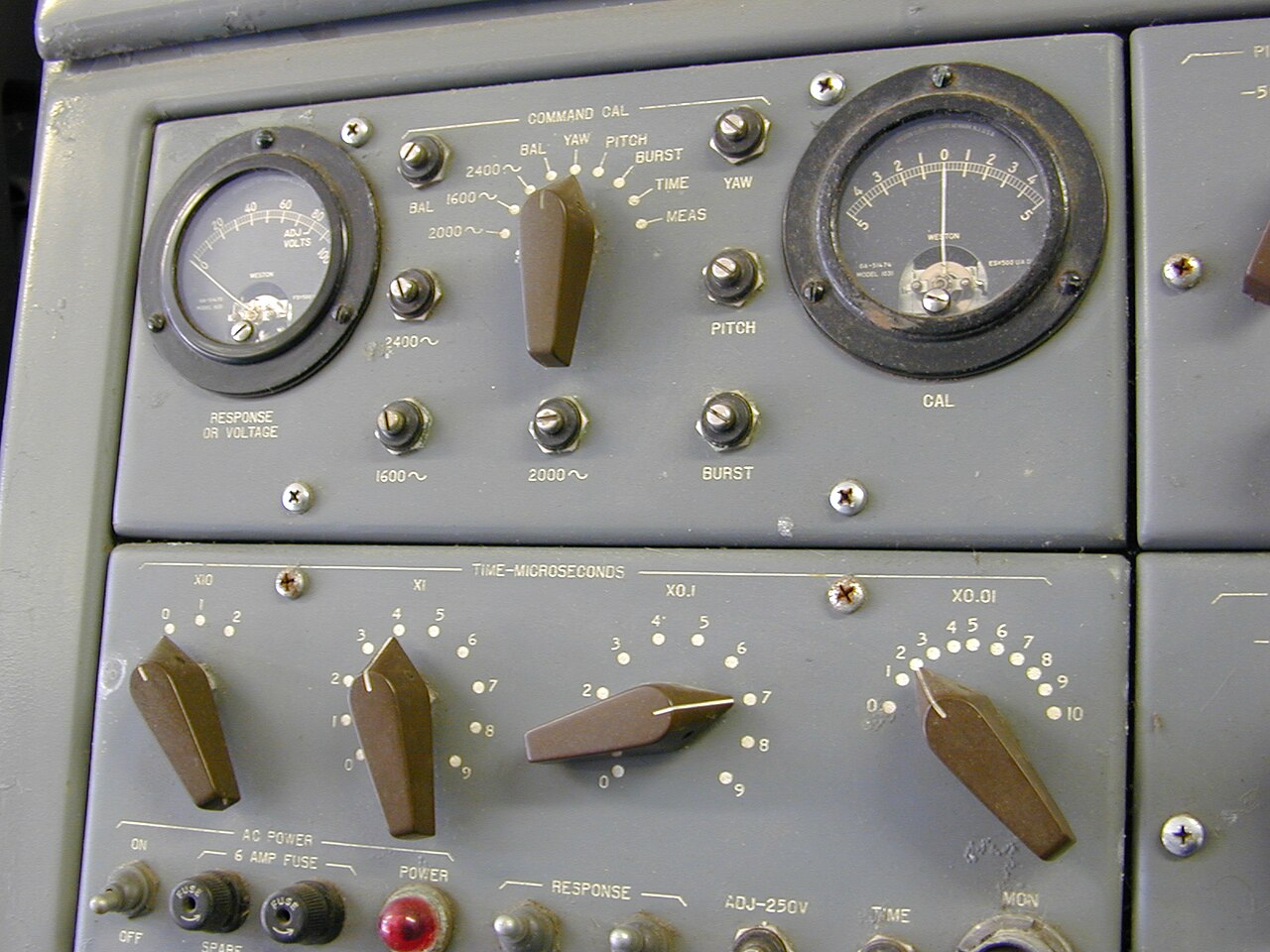
The accompanying 2004 photograph shows test equipment with analog gauges, switches, and calibration controls. It offers a quieter view of military readiness than the raised missile in the featured image.
Someone had to check those instruments, understand their readings, and keep the system working. The machines reveal the technical labor behind a policy often described only through speeches and international crises.
Why the missiles left the headlands
The Nike system was designed primarily around the threat of aircraft. Strategic priorities shifted as intercontinental ballistic missiles became increasingly important.
A National Park Service report on seacoast fortification preservation places the Bay Area’s Nike installations within that changing defensive landscape.
Missiles traveling at very different speeds and altitudes demanded different responses. The old network could not simply be assumed to solve every new threat.
SF-88 closed as an operational installation in 1974. Many comparable sites lost their equipment or were altered for other uses. Here, preservation eventually kept an unusually complete part of the story available to the public.
Volunteers brought a deteriorating site back
The preserved base did not remain intact through luck alone. Volunteers, including people with knowledge of Nike systems, helped recover and restore equipment.
An NPS account of the restoration describes the work associated with Allan Blank and other volunteers. Flooded underground spaces, corroded machinery, and damaged components posed substantial challenges.
Water had reached deep into the storage areas. Restoring the site required practical engineering, patient repair, and decisions about how moving equipment could be demonstrated safely.
That history gives the museum a second identity. It preserves a Cold War weapons system while also showing what determined civilian stewardship can accomplish.
A clean display can hide years of work. At SF-88, the restoration story is worth asking about alongside the military one.
When and how to visit
As checked on November 3, 2026, the official NPS visitor page lists public opening on the first Saturday of each month from noon to 3 p.m. Inclement weather can cause closure.
Check that page again before traveling. Older brochures may show different opening days and should not override current instructions.
Follow staff directions around machinery, stairs, and underground spaces. Ask about accessibility before arrival if your visit depends on avoiding steps or enclosed areas.
The most rewarding approach is to connect the large and small details. Look at the missile, then the instruments needed to support it. Together, they turn a distant geopolitical story into a place where people worked through the possibility of war.
Frequently asked questions
Is SF-88 still operational?
No. Its military mission ended in 1974. It is now a preserved historic site with museum equipment.
Is it open every day?
No. Public access is limited. The current NPS schedule should be checked before any visit.
Were nuclear-capable missiles based here?
Yes. Nike Hercules brought nuclear capability to the site during the Cold War. The present attraction is a museum, not an active arsenal.
Where is SF-88?
It is in the Marin Headlands, north of San Francisco, within Golden Gate National Recreation Area.
Image credits
Featured image: Dawn Endico from Menlo Park, California, CC BY-SA 2.0. Body image: Dawn Endico from Menlo Park, California, CC BY-SA 2.0.

