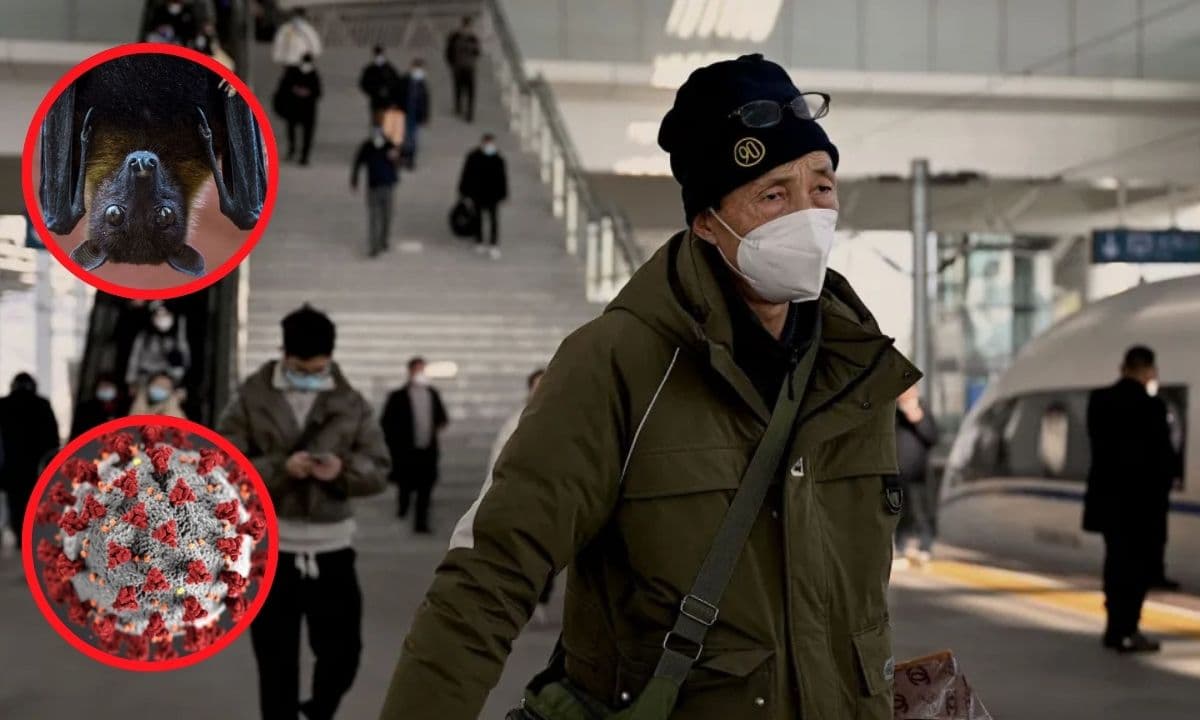
A new virus, HKU5-CoV-2, has emerged from a lab in China. It is already causing quite a stir worldwide. This novel bat coronavirus shares considerable similarities with SARS-CoV-2, the virus behind the COVID-19 pandemic.
Researchers at the Wuhan Institute of Virology and the Guangzhou Academy of Sciences discovered the virus. It has demonstrated its capability to bind to human cells through the same receptor, the angiotensin-converting enzyme (ACE2), just like its predecessor.
Scientist Shi Zengli, popularly known as the ‘Batwoman’ led the research. She is best known for her work with the COVID-19 virus at the Wuhan Laboratory.
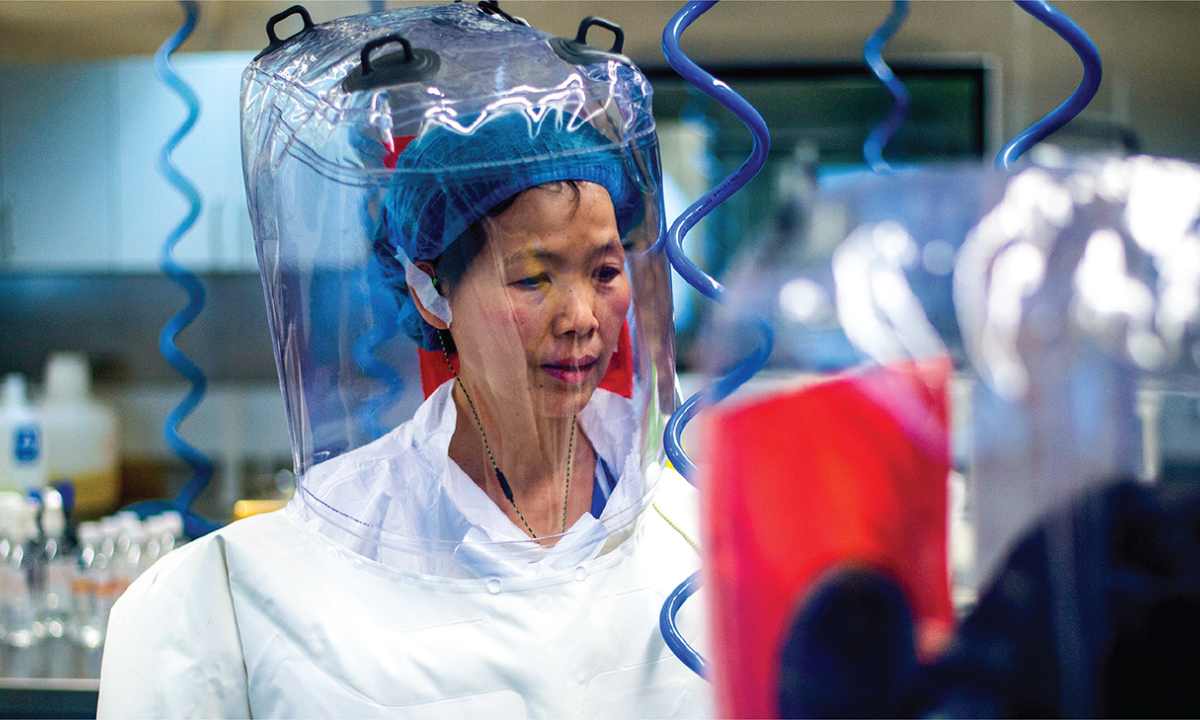
This revelation is drawing major concerns as the world remains vigilant about possible new pandemics. HKU5-CoV-2 has the potential for transmission between humans and even across species, posing a zoonotic risk.
Researchers involved in the study noted that the virus effectively used human ACE2, underscoring a distinct lineage in bats that could potentially spill over into humans. There are, however, some limitations. The virus does not infect human cells as readily as SARS-CoV-2.
However, scientists are urging caution due to the possibility of zoonotic spillover. It is the process where viruses jump from animals to humans.
Dr. Marc Siegel, a clinical professor of medicine, highlighted that while the binding of HKU5-CoV-2 to human receptors resembles SARS-CoV-2, it is ‘much less powerful.’ The virus presents a lower risk of causing a significant outbreak.
Yet, he showed the importance of being prepared for potential threats. He also makes sure that unfounded fears do not spread in the population. The detailed study raises awareness about such viruses and advocates for a global scientific consortium dedicated to preventing future pandemics.
This step, unfortunately, was not part of our previous experiences addressing COVID-19—an oversight that experts caution against repeating. As researchers deepen their investigation into bat coronaviruses, the laboratory findings motivate a global dialogue on proactive disease prevention frameworks.