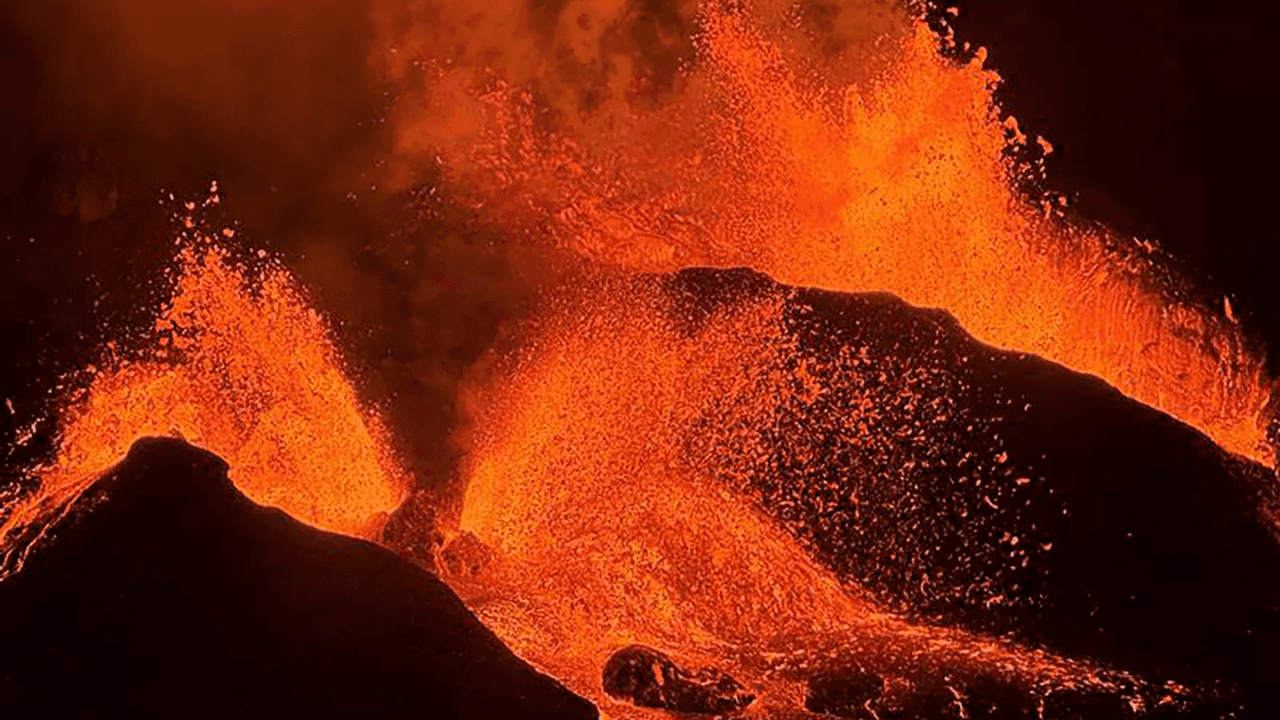
Kilauea, true to its reputation as one of the most active volcanoes on the planet, has unleashed yet another spectacular display of natural power.
For the tenth time since its most recent series of eruptions began on December 23, molten lava is once again being propelled into the night sky.
The eruption began on Wednesday, February 19, 2025, at 8:22 p.m. Pacific Time, and continued for just under 13 hours, ending on Thursday, February 20, 2025, at 9:18 a.m.
This ongoing volcanic activity, occurring at Kilauea’s summit crater in Hawaii Volcanoes National Park, draws both scientists and curious onlookers from around the globe.
The fascinating but formidable sights see lava fountains reaching up to 400 feet, casting a mesmerizing glow across the landscapes. Such spectacular displays not only captivate onlookers but also remind us of nature’s untamed beauty.
Despite the continuous lava show, nearby communities breathe a sigh of relief as no residential areas have been threatened by the flowing magma. Yet, this relentless volcanic behavior sparks dialogues about its broader implications.