
In December 2011, Tyree Smith committed an act so horrific that it continues to haunt the community. Smith, using a hatchet, murdered Angel “Tun Tun” Gonzalez in Bridgeport, Connecticut. Court records and eyewitness testimonies reveal that the attack was not only violent but also deeply disturbing Smith reportedly consumed parts of Gonzalez’s brain and eyeball while drinking sake. One witness recounted that Smith described the taste of the victim’s eye as being “like an oyster,” details that have contributed to the lasting infamy of the case.
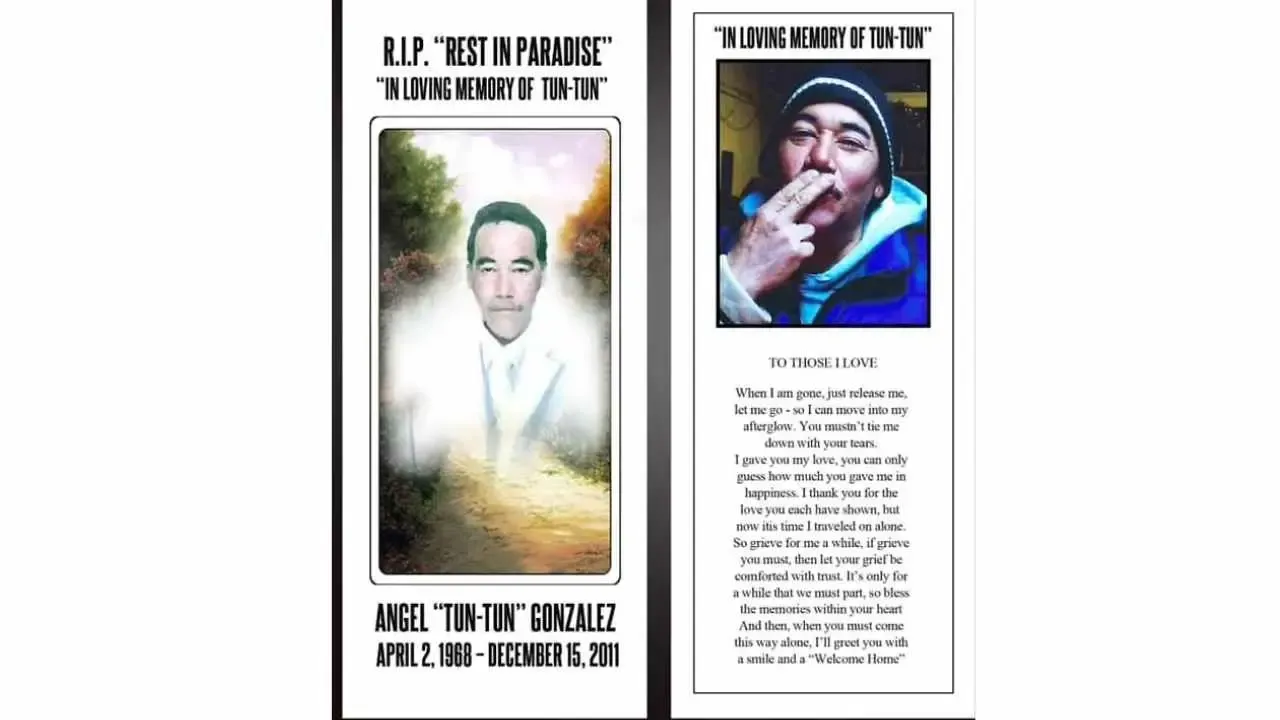
Following the incident, a three‑judge Bridgeport panel ruled in July 2013 that Smith would be institutionalized rather than imprisoned, citing his severe mental illness as a mitigating factor. Initially sentenced to 60 years in a maximum‑security mental hospital, his case has long been at the intersection of criminal justice and mental health care.
In a recent and controversial ruling, Connecticut’s Psychiatric Security Review Board (PSRB) decided that Smith’s mental health had stabilized enough to warrant a conditional release. According to state officials, Smith had already been living in a Waterbury group home since 2023, and Friday’s announcement formally discharged him from Whiting Forensic Hospital. The board’s decision was influenced by assessments indicating that his schizophrenia as well as his past issues with drug and alcohol disorders had come under control through consistent treatment and adherence to medication.
Forensic psychiatrist Dr. Caren Teitelbaum, who supported the board’s evaluation, remarked, “Once he was stable he was a really calming presence for other patients.” Proponents of the decision argue that transitioning Smith to a less restrictive, community-based environment is a positive step toward rehabilitation.

Despite the clinical assessments, many remain unconvinced. State Senator Paul Cicarella voiced his alarm: “Murder and cannibalism and release in the same sentence. That’s a problem. That’s concerning to me.” His sentiment was echoed by other Republican lawmakers, including Senators Heather Somers, Henri Martin, and Stephen Harding, who collectively warned that the ruling jeopardizes public safety and sends a distressing message to victims of violent crimes.
The victim’s family, still grappling with the horror of the past, has not remained silent. Angel Gonzalez’s sister‑in‑law, Talitha Frazier, asked a poignant question during a previous hearing: “How do we really know he’s not going to do this again?” Frazier’s testimony underscored the deep emotional scars left by Gonzalez’s murder scars that continue to fuel public fear and uncertainty. Family members have shared that the very idea of Smith’s release has left them feeling vulnerable, with some even describing how the terror of his actions still affects their daily lives.
Smith’s case spotlights the ongoing tension between rehabilitative mental health treatment and the imperative to protect the community from potential threats. While clinical experts point to his maintained stability, cautioning that ongoing treatment is key to preventing relapse, critics worry about the risks should Smith’s condition deteriorate or should he deviate from his treatment regimen.
The case forces a difficult question: can someone who committed such an unthinkable act ever truly be reintegrated into society? For those advocating for mental health reforms, Smith’s conditional release may represent progress in treating mental illness as a public health issue. Yet, for many victims’ advocates and lawmakers, it is a decision that prioritizes clinical assessments over the lived trauma of the victims and their families.
As Tyree Smith begins this next phase under strict supervision, the debate over his release remains as contentious as ever. The decision to transition a man convicted of one of the most gruesome crimes in recent memory from a maximum‑security facility to a community setting not only challenges traditional notions of punishment but also raises complex questions about the balance between rehabilitation and public safety. With both clinical experts and critics watching closely, the unfolding implications of this decision may well influence how similar cases are handled in the future.