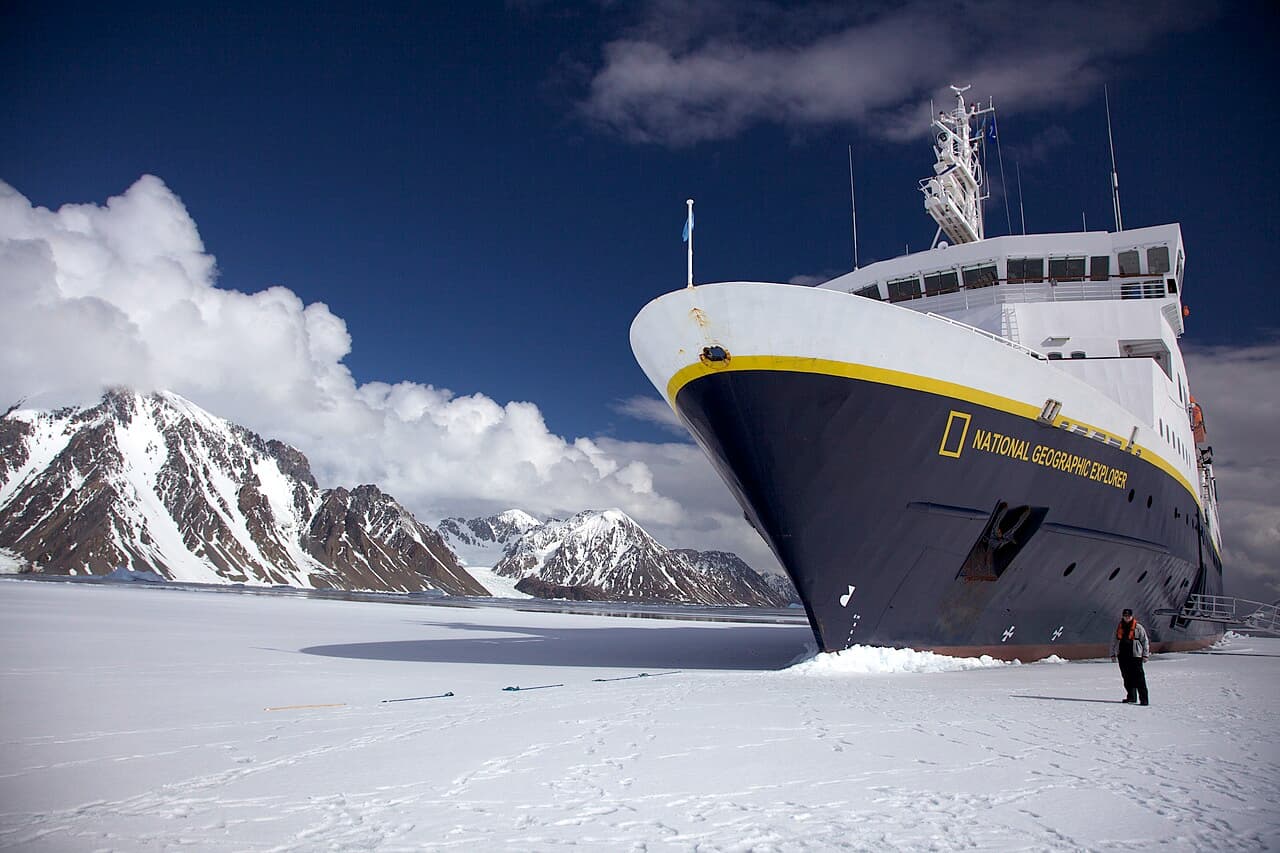
You do not need a research post or a photography assignment to join a National Geographic–Lindblad expedition to Antarctica. These are commercial trips that paying travelers can book.
The experience can include small-boat outings, guided walks and wildlife observation, accompanied by expedition staff. It is a way to visit a landscape many people know only from films—provided the journey, cost and physical demands suit the traveler. Source: National Geographic’s Antarctica voyage information.
An expedition cruise, not a research job
Booking a berth makes you a guest on an organized expedition cruise. It does not mean being hired as a National Geographic photographer or joining a scientific field team.
National Geographic’s voyage page describes travel aboard the National Geographic–Lindblad fleet, with photography guidance and opportunities to learn about Antarctic wildlife. The emphasis is on exploring and understanding the destination.
The operator’s published Voyage to Antarctica itinerary is a 12-day program aboard National Geographic Endurance or National Geographic Resolution. Its route map links Ushuaia, Argentina, with the Antarctic Peninsula across the Drake Passage. Other itineraries use different ships and routes. Source: Lindblad’s 2026–2028 Antarctica brochure.
What might a day include?
National Geographic describes possible activities such as kayaking, Zodiac outings and walks near penguin colonies. Its advertised wildlife includes penguins, seals, whales and seabirds.
Zodiacs are small inflatable boats used to explore away from the main ship. A low viewpoint can make the scale of surrounding ice especially striking.
These are possibilities, rather than a fixed checklist. Weather, ice, safety decisions and local restrictions shape what the expedition team can offer. A particular landing or wildlife encounter cannot be promised. Source: National Geographic’s itinerary and activity information.
What does it cost?
This is a substantial travel purchase.
As an illustration, Lindblad’s brochure printed in November 2025 advertised the 12-day voyage from US$14,490 per person, based on double occupancy on selected departures. That is a dated brochure rate, not a live quote or confirmation of availability.
The brochure says rates can change and that airfare is additional unless specifically included. Before booking, compare the full itinerary, cabin, flights, travel protection and other exclusions. Check the operator’s current rates for the exact departure. Source: brochure itinerary and reservation terms.
Visiting without disturbing the wildlife
Seeing wildlife comes with responsibilities.
The International Association of Antarctica Tour Operators’ visitor guidance tells visitors to keep a safe distance, avoid feeding or touching animals and follow expedition leaders’ instructions.
It also stresses preventing the introduction of non-native species and protecting the landscape. Visitors should leave natural objects where they are and take no rocks, eggs, bones or other specimens as souvenirs.
A good Antarctic experience depends on respecting those boundaries. The animals and ice are the reason to go; protecting them is part of being there.
A real opportunity to explore
The opportunity in the viral claim is real: ordinary paying travelers can join these voyages.
The wonder lies in meeting the place on its own terms. Expert guidance and comfortable accommodation can help people reach Antarctica, but they cannot control its weather or wildlife. That uncertainty is part of what makes an expedition different.
Image credits
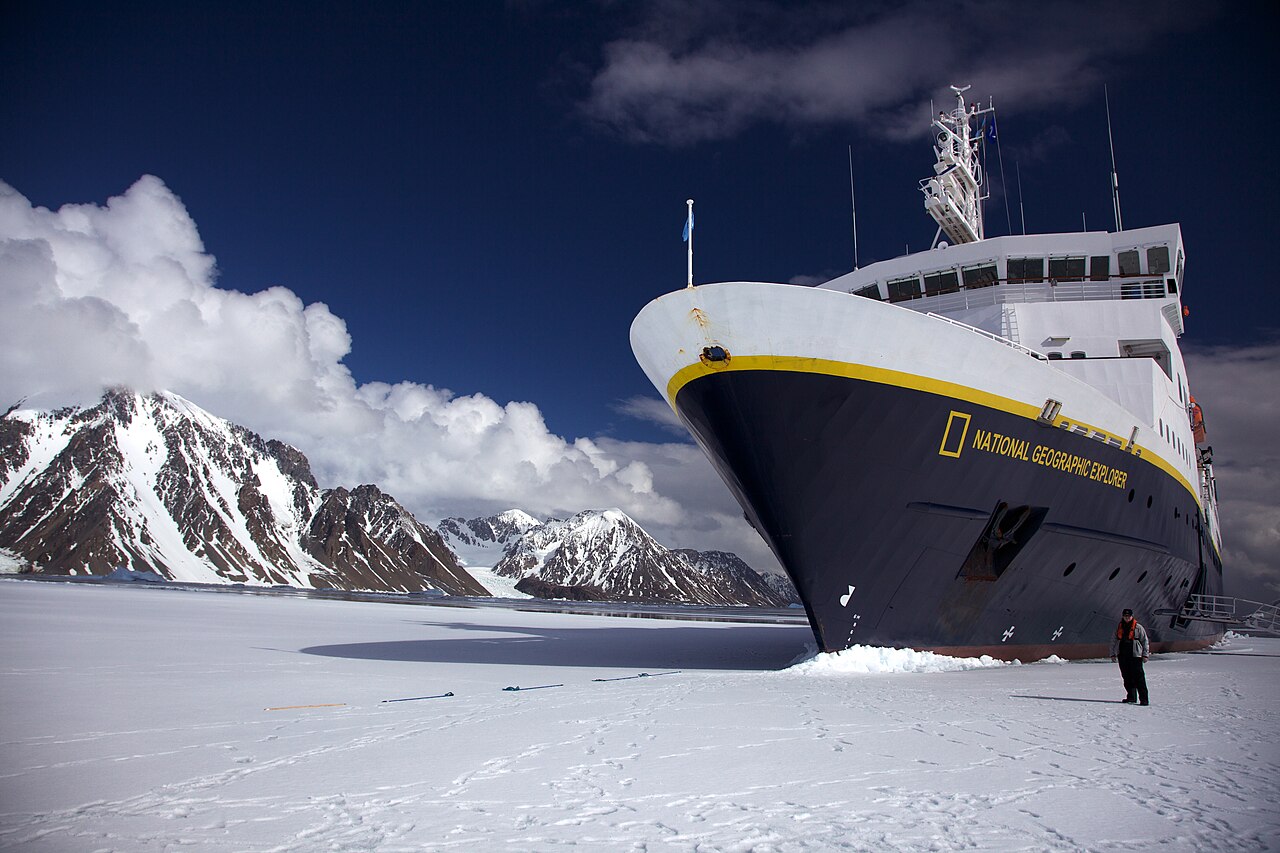
- National Geographic Explorer in Antarctic fast ice: Jason Auch, CC BY 2.0. Archival fleet photograph, not the ship assigned to every itinerary.
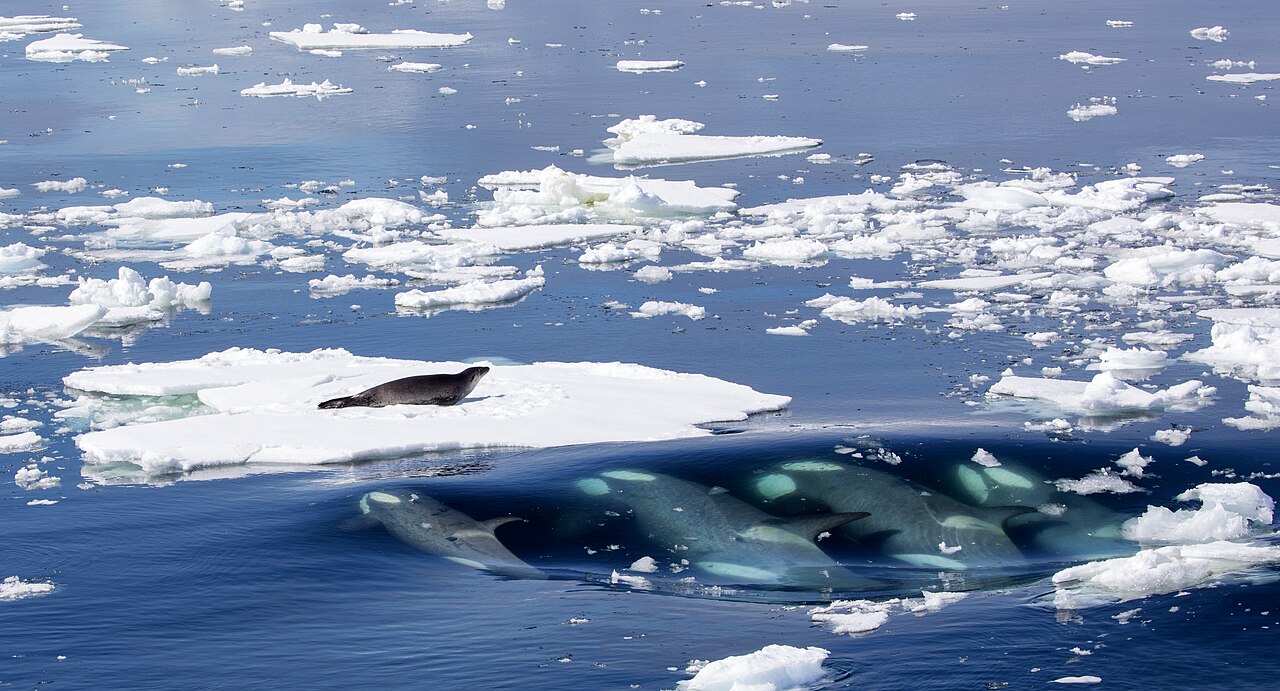
- Orcas and a crabeater seal off Graham Land: Callan Carpenter, CC BY 4.0, photographed from National Geographic Explorer.


Both photographs are authentic Antarctic images from Wikimedia Commons, resized for web display. They do not guarantee comparable conditions or sightings on a future voyage.