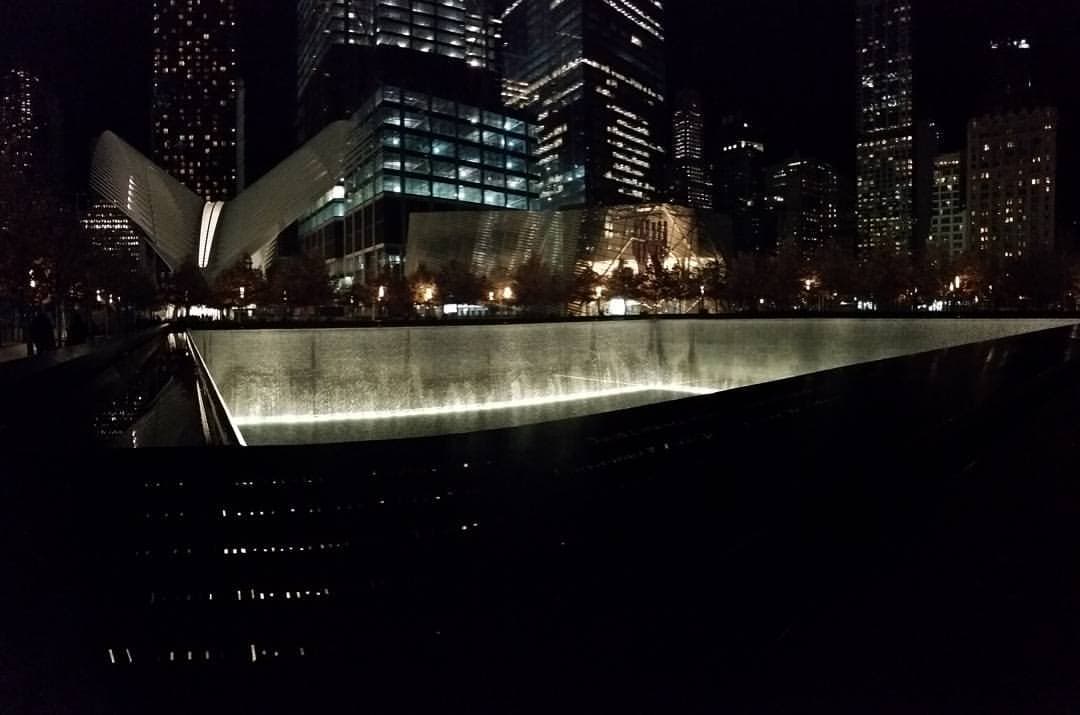
After visitors leave the 9/11 Memorial, another kind of care begins. Wearing waders and a headlamp, Jim Maroon enters the reflecting pools to help clean the place where thousands of people come to remember loved ones.
For Maroon—also identified as James in reporting—the work has a personal meaning. He was near the World Trade Center when the first plane struck on September 11, 2001, and knew people who died. Source: Associated Press’s 2021 profile, published by The Times of Israel.
A connection that began before the memorial
Maroon was working at the New York Mercantile Exchange in 2001. He told AP he was crossing West Street when the first plane hit.
His connection to the area went back further. His father worked in and around the Twin Towers, and Maroon had spent much of his life nearby, according to a 2021 Downtown Alliance profile.
Caring for the memorial became a way to give something back to a place already woven into his life.
The work visitors rarely see
The Downtown Alliance documented Maroon and colleagues during an overnight shift for a film by Josh Charow and Josh Katz.
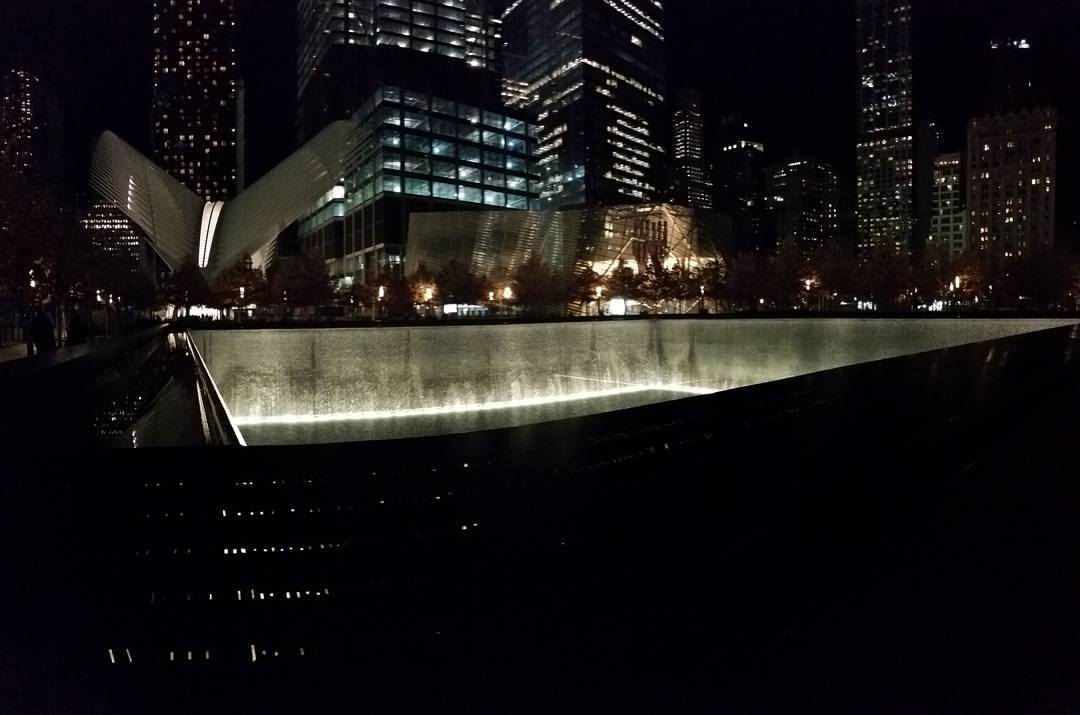
Its September 2021 account described five nights of work each week, with a midnight-to-8 a.m. shift. Wearing protective waders, the team used a vacuum and brushes to keep the pools clean.
The memorial’s 2025 annual report later highlighted the overnight custodial team led by Maroon and its care for the pools and surrounding bronze name panels.
These dated accounts document the continuing work without assuming that staffing or shift hours have remained identical every year.
Two pools, thousands of names
The National September 11 Memorial & Museum explains that each reflecting pool covers nearly an acre. The memorial honors the 2,977 people killed in the September 11, 2001, attacks and the six people killed in the 1993 World Trade Center bombing.
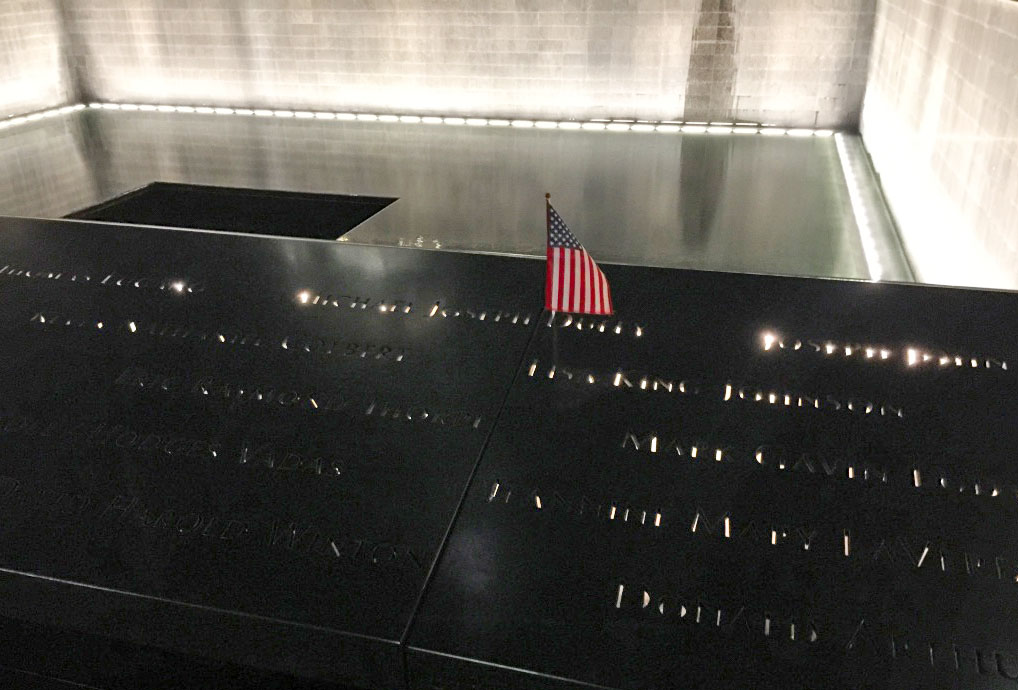
Around the water, names are inscribed into bronze panels. The scale is immense, but a visit can be deeply personal: one name, one family, one life remembered.
Caring for a place of remembrance
Maroon told AP that the team wanted families to feel their loved ones were being watched over and cared for.
That intention gives routine maintenance a different weight. Vacuuming and brushing are practical tasks, yet the setting asks for patience and respect. The people doing them help prepare a space for visitors who may arrive carrying grief, memories or questions.
Remembrance is also everyday work
A memorial’s meaning is expressed through its design and the names it preserves. It is also sustained by the people who return to care for it.
Maroon’s story brings that work into view. Long after the dedication ceremonies, remembrance continues through quiet, repeated acts of attention.
Image credits
These archival photographs show the memorial, not Jim Maroon or his cleaning team.
- 9/11 Memorial at night, November 2016: Megan Smith, CC BY-SA 2.0.
- South Pool name panels, April 2016: Ron Cogswell, CC BY 2.0.


Photographs sourced through Wikimedia Commons and resized for web display.