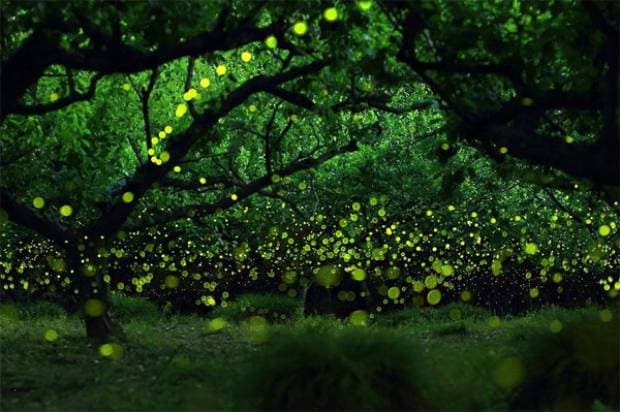
Mexico's fireflies are more diverse than even a spectacular forest light show suggests. In 2026, researchers reported 39 newly described species from southern Mexico, bringing the country's known total to 346.
The discovery expanded a scientific inventory of beetles that many people know mainly for the flashes they produce after dark.
Thirty-nine additions to a growing inventory
UNAM's September 2026 announcement describes work in Oaxaca, Chiapas and Guerrero. The newly named species belong to the genus Photinus.
The university places Mexico second globally in documented firefly species, behind Brazil. That ranking reflects current recorded knowledge, rather than a final count of everything still waiting to be found.
Scientists look beyond the glow
Species identification requires careful comparisons of physical structures. The research included detailed illustrations that help distinguish animals whose outward appearances can be similar.
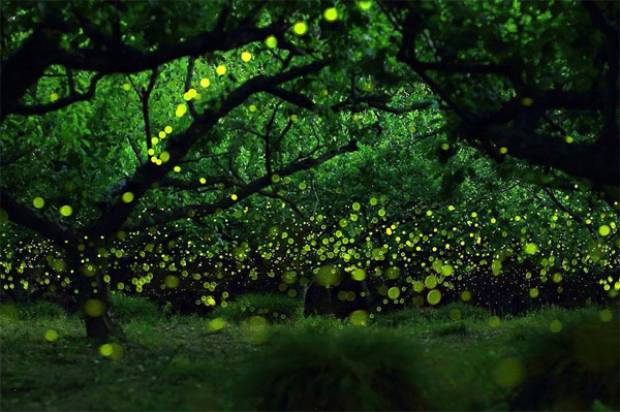
UNAM also emphasizes that this diversity extends beyond the fireflies that form large tourism displays. A species does not have to create a famous spectacle to matter biologically.
The new descriptions therefore tell a story about research as well as abundance: systematic work can reveal differences hidden inside a familiar group.
Keeping the night dark enough
Fireflies use light in communication and reproduction. Artificial lighting can interfere with those signals, while habitat loss and pesticide exposure create other pressures.
A conservation account from South Carolina's natural-resources agency explains why the combination of habitat loss and intrusive lighting is especially difficult for nocturnal fireflies. It concerns a different region, but illustrates the kinds of pressures researchers investigate.
Mexico's expanding list is a reason for wonder, not a reason to assume every population is secure. Naming a species makes it possible to study where it lives and what it needs. Behind each new name is a small part of the living world that can now be recognized more clearly.
Photograph credits
- Photograph 1: Karina Miranda Vargas, CC BY-SA 4.0. Resized; captions identify contextual images.
- Photograph 2: Correogsk, CC BY-SA 4.0. Resized; captions identify contextual images.

