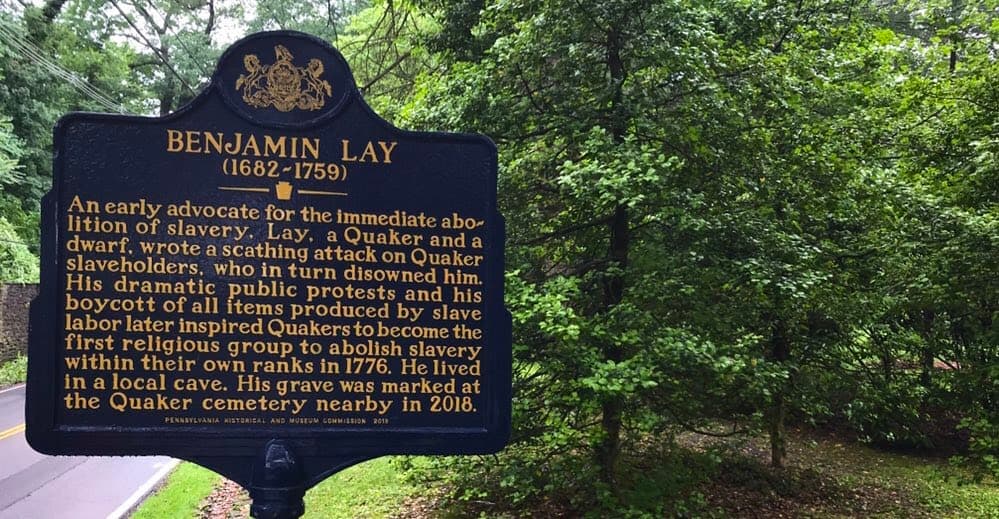
Benjamin Lay wanted slaveholders to face the suffering they preferred not to see. In the 1700s, the Quaker abolitionist used confrontational writing and dramatic public protests to challenge people within his own religious community.
One historical account describes a particularly disturbing demonstration: he temporarily took a slaveholding family's child to force the parents to imagine the terror of separation.
A protest recorded in Quaker history
Quakers in the World's biography recounts the episode and says Lay returned the child when authorities came to his dwelling. He explained his action as an attempt to show how African parents felt when their children were taken and sold.
The account describes what he intended. That intention does not erase the fear inflicted on the child and family, or turn the episode into an example to imitate.
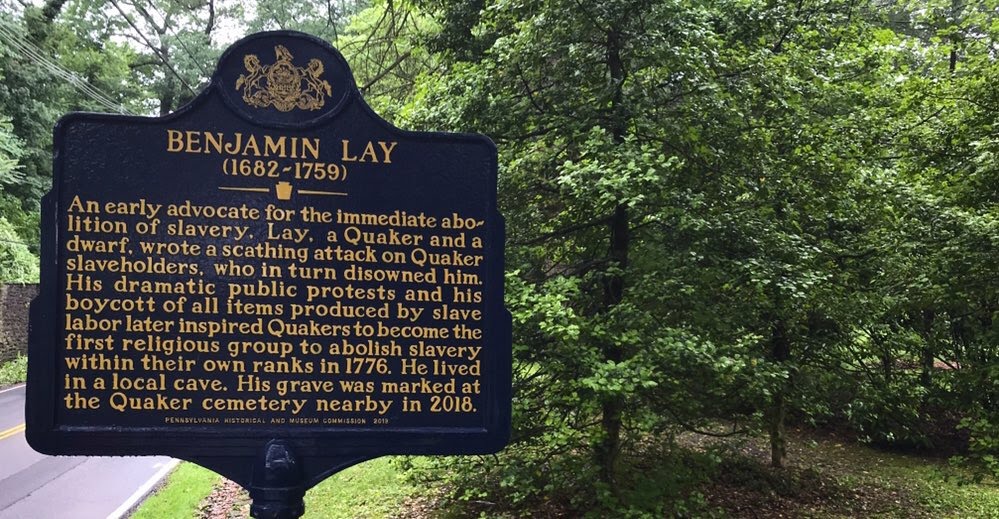
Making a hidden cruelty visible
Lay's other protests included standing in snow without adequate clothing and staging a confrontation at a Quaker meeting in 1738. There, he used a sword and a concealed container of red liquid to symbolize the violence of enslavement.
He also wrote against slavery. His 1737 book was printed by Benjamin Franklin, according to the Quaker biography.
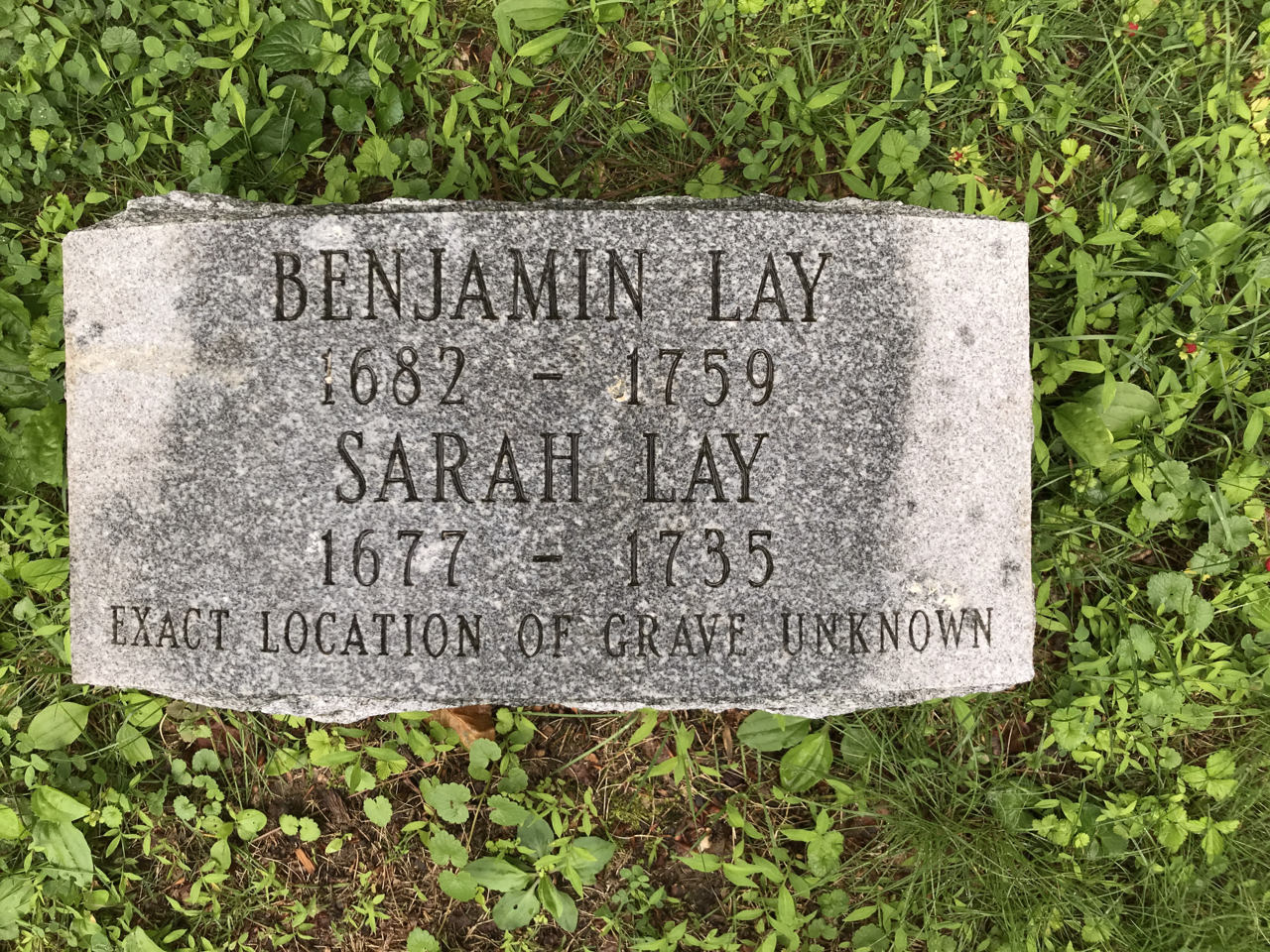
Remembering a difficult reformer
Encyclopedia Virginia's account identifies Lay as an early Quaker abolitionist and also records the child-taking story. The historical record preserves an activist whose methods unsettled the people he confronted.
It is possible to recognize the force of his opposition to slavery while questioning a particular tactic. Those judgments do not have to cancel each other out.
Lay's lasting challenge was directed at people who claimed moral principles while benefiting from human bondage. He insisted that familiar customs and a respectable community could still conceal grave cruelty. His history is most useful when told with that moral argument—and the troubling parts of his conduct—both in view.
Photograph credits
- Photograph 1: J. Nathan Matias, CC BY-SA 4.0. Resized; captions identify contextual images.
- Photograph 2: J. Nathan Matias, CC BY-SA 4.0. Resized; captions identify contextual images.

