Jack Platt wanted Gennady Vasilenko to work for the CIA. Vasilenko did not agree. Yet the American and Soviet intelligence officers formed a friendship that outlasted the Cold War.
Their story is unusual because personal affection developed inside a relationship built around competing loyalties and attempts at recruitment.
A professional approach became personal
A 2018 review in the CIA's Studies in Intelligence examines the book Best of Enemies, which reconstructs their relationship largely through interviews.
The review places their initial encounter in Washington in 1979 and describes Platt's long effort to recruit the KGB officer. Neither man ultimately recruited the other.
Friendship did not remove the risks
Their association drew suspicion from Soviet authorities. Vasilenko was recalled to Moscow, interrogated and removed from the KGB. Later imprisonment brought further danger into the story.
The CIA review describes their continuing connection and Vasilenko's eventual release in the 2010 spy exchange. It records that their friendship lasted until Platt's death in January 2017.
The relationship should not be simplified into two officers casually abandoning their duties. The review makes clear that recruitment efforts and institutional suspicion remained entangled with their personal bond.
What makes the story remarkable
An account based heavily on recollections requires care with precise dialogue and motives. The CIA reviewer notes the book's reliance on interviews and absence of source notes. That makes attribution especially important.
Still, the central result is striking: a relationship meant to produce a secret advantage instead became a durable friendship.
It did not dissolve the rivalry between their countries or make the consequences harmless. It revealed something narrower and more human—that individuals can recognize loyalty, humor and companionship in someone their professional world has taught them to treat as an adversary.
The story's strength lies in that tension. These were friends who never stopped carrying the history of how they had met.
Photograph credits
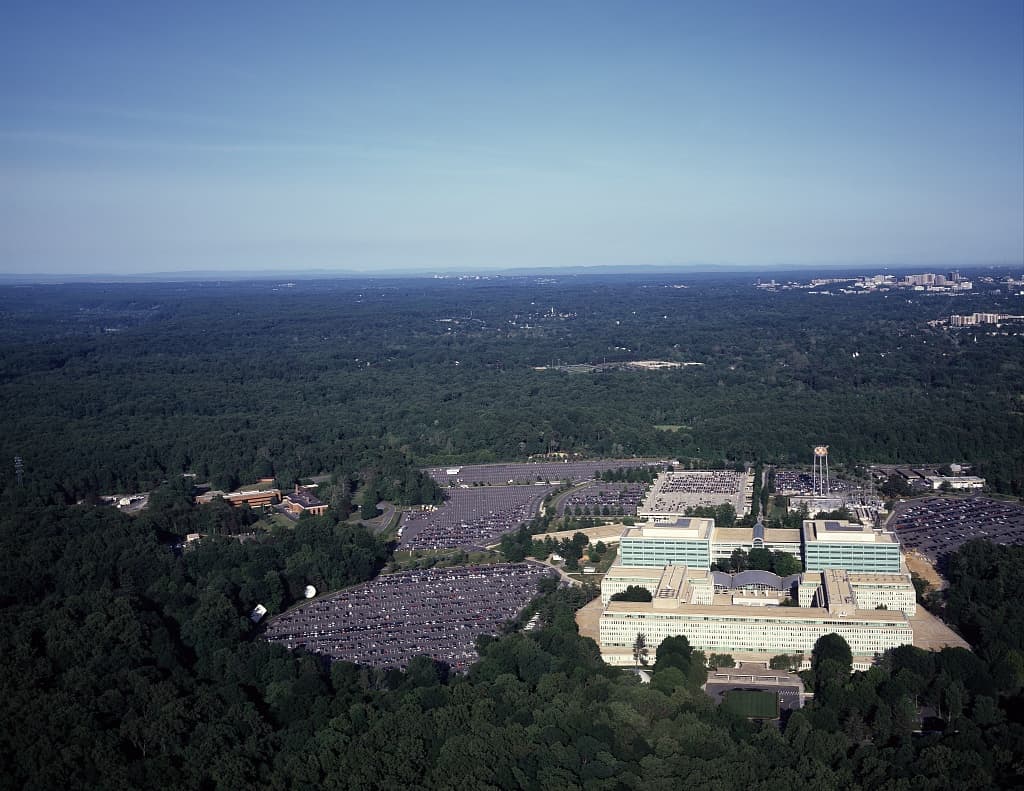
- Photograph 1: Carol M. Highsmith, Public domain. Resized; captions identify contextual images.
- Photograph 2: Carol M. Highsmith, Public domain. Resized; captions identify contextual images.

