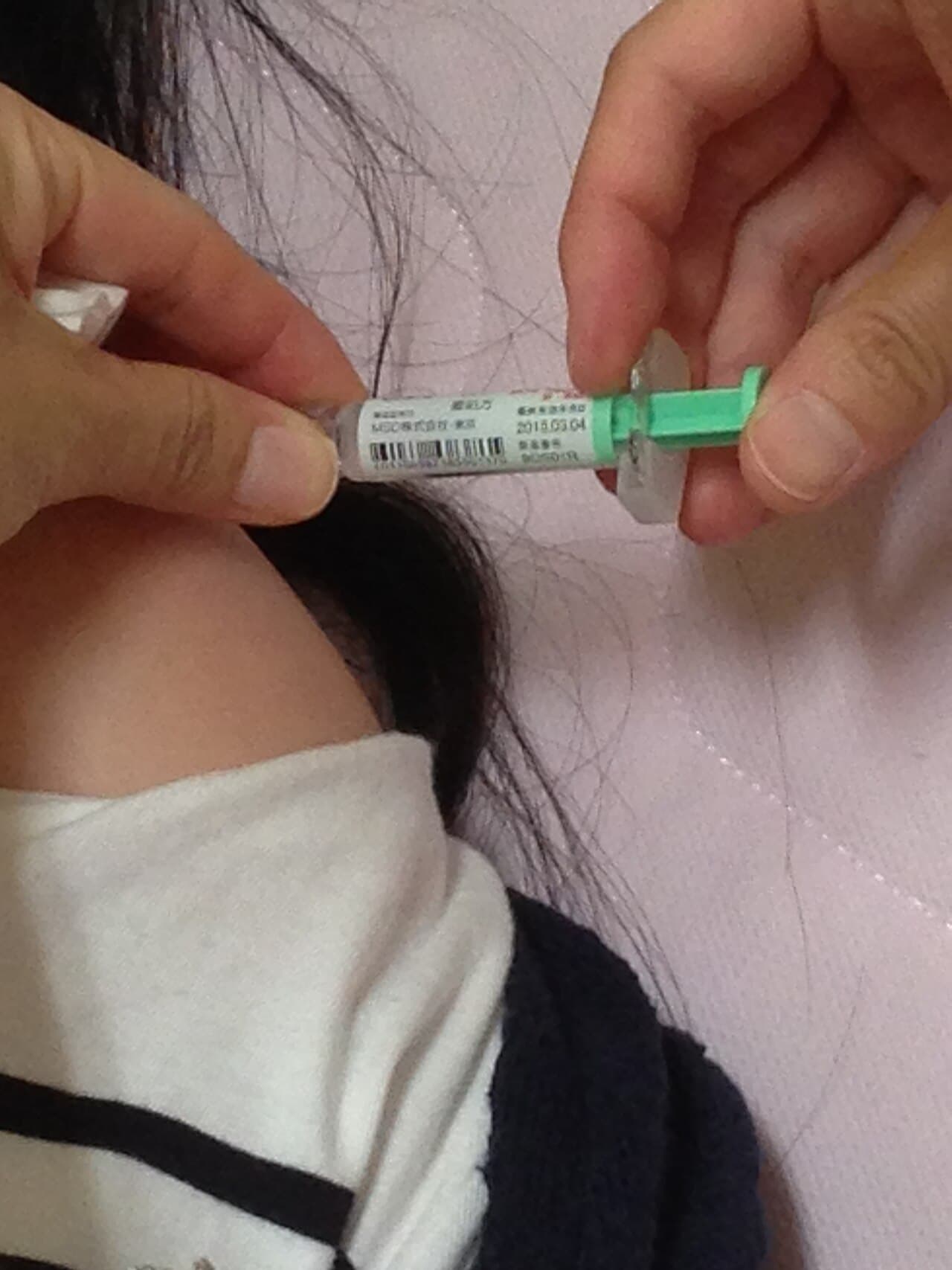
Zero cervical cancer deaths were recorded among women aged 20 to 24 in England between 2020 and 2024. Researchers studying HPV vaccination reported the five-year milestone as evidence of the programme's growing impact.
The finding concerns a specific age group, country and period. It does not mean cervical cancer has disappeared from England or that every vaccinated person's future risk is zero.
A generation protected before adulthood
Queen Mary University of London announced the findings in June 2026. The research was funded by Cancer Research UK.
The UK began its school-based vaccination programme for girls aged 12 to 13 in 2008. Those early groups had reached young adulthood during the period studied, with vaccine coverage close to 90 percent.
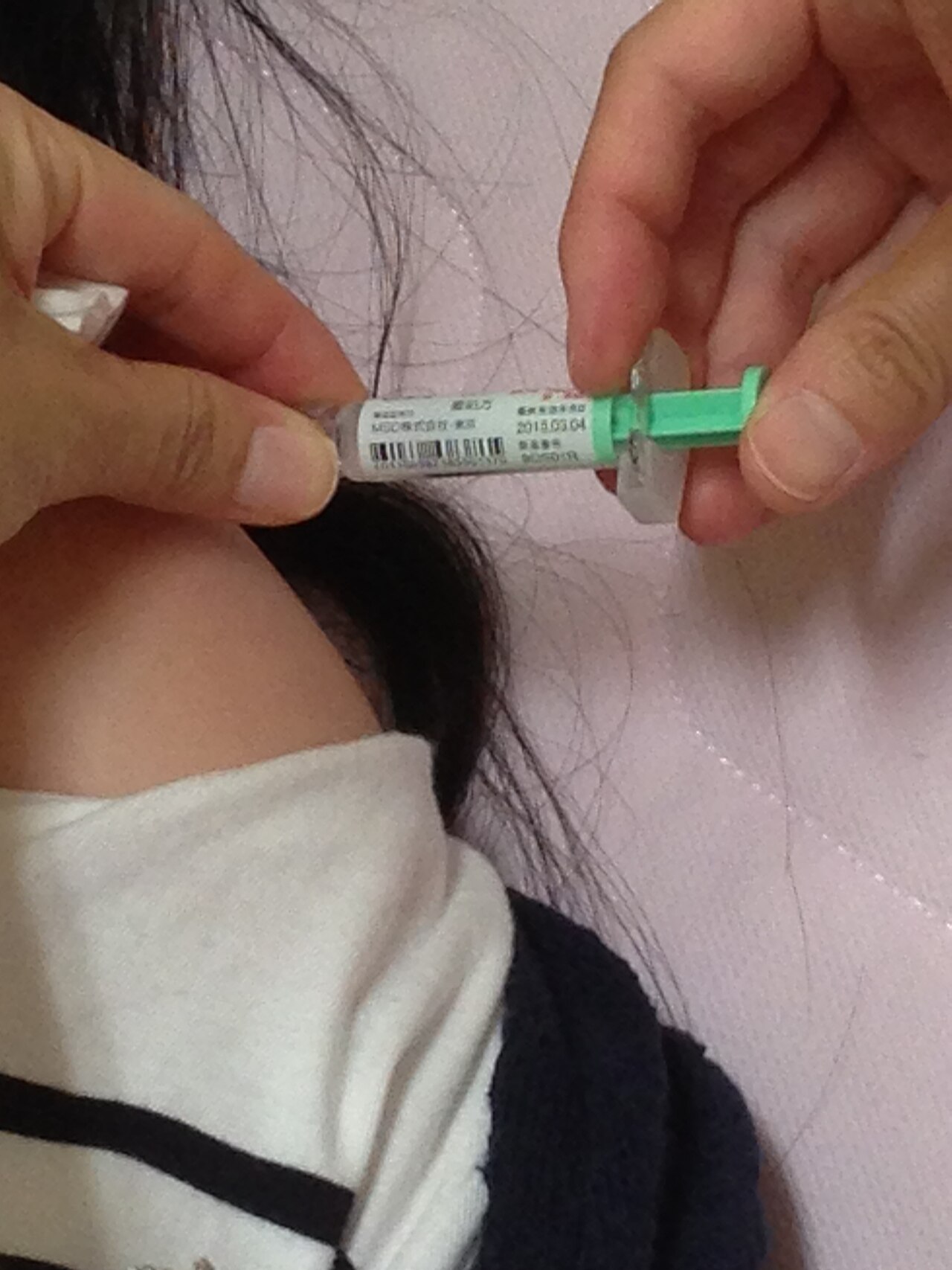
Measuring deaths, not just infections
The researchers examined cervical cancer mortality after the vaccination programme began. They estimated that the programme had prevented nearly 200 cervical cancer deaths across the groups involved by the end of 2024.
That prevention estimate comes from statistical comparison. The zero recorded deaths among 20–24-year-olds is an observed outcome for that group; it is a different kind of finding from a model estimating deaths avoided.

Prevention still includes screening
The NHS explains that HPV vaccination reduces the risk of infection with types of the virus linked to several cancers. Vaccination works best as part of a wider prevention programme.
People who have been vaccinated should still attend cervical screening when invited. The vaccine does not protect against every cancer-causing HPV type, and population success does not replace individual follow-up.
The milestone shows what can happen when protection offered in school carries forward into adult life. It is a reason to maintain access and uptake, so later generations can share the benefit. Behind a number as stark as zero is the quieter work of prevention: infections avoided years before a cancer might develop.
Photograph credits
- Photograph 1: melvil, CC BY-SA 4.0. Resized; captions identify contextual images.
- Photograph 2: melvil, CC BY-SA 4.0. Resized; captions identify contextual images.

