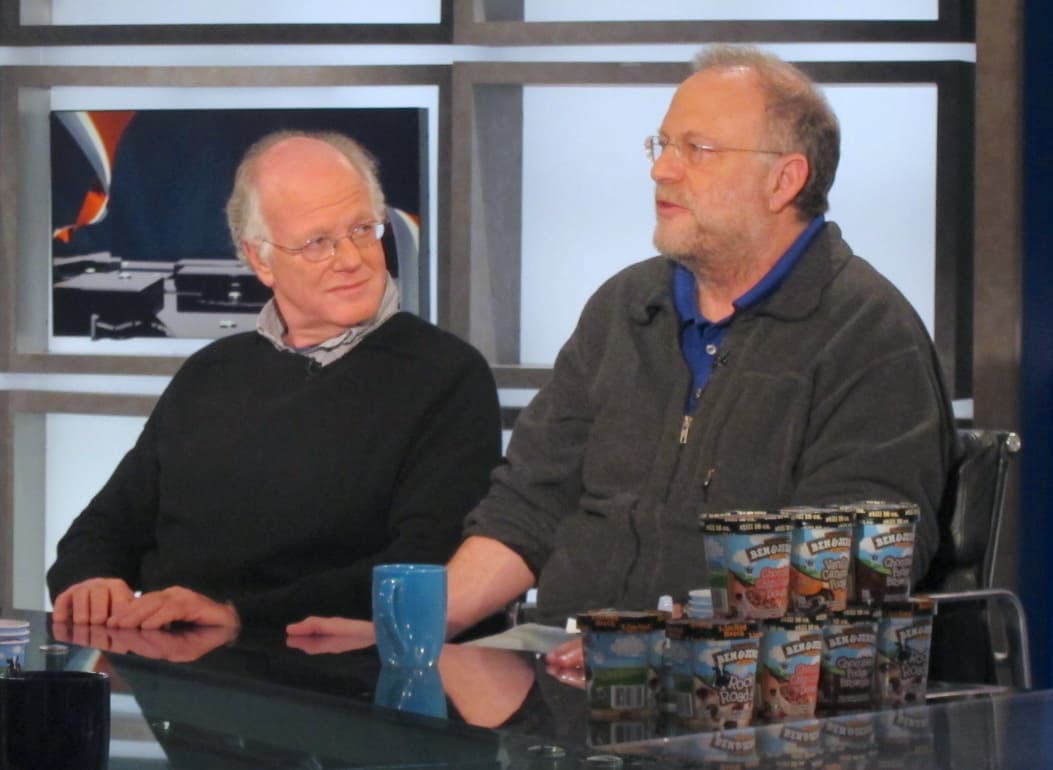
One of America's best-known ice cream companies began with a $5 correspondence course. Before opening Ben & Jerry's, Ben Cohen and Jerry Greenfield used a Penn State course to learn the basics of making the product they planned to sell.
The small tuition fee makes a memorable opening to the story. The business itself, however, required more than five dollars and a good idea.
Learning before opening the doors
The company's official history records the course and a $12,000 initial investment, including $4,000 borrowed. In 1978, the pair opened their first scoop shop in a renovated gas station in Burlington, Vermont.
That distinction matters. The course helped them learn; savings, borrowing and practical work helped them launch. Calling the entire business a $5 investment would leave out most of the beginning.
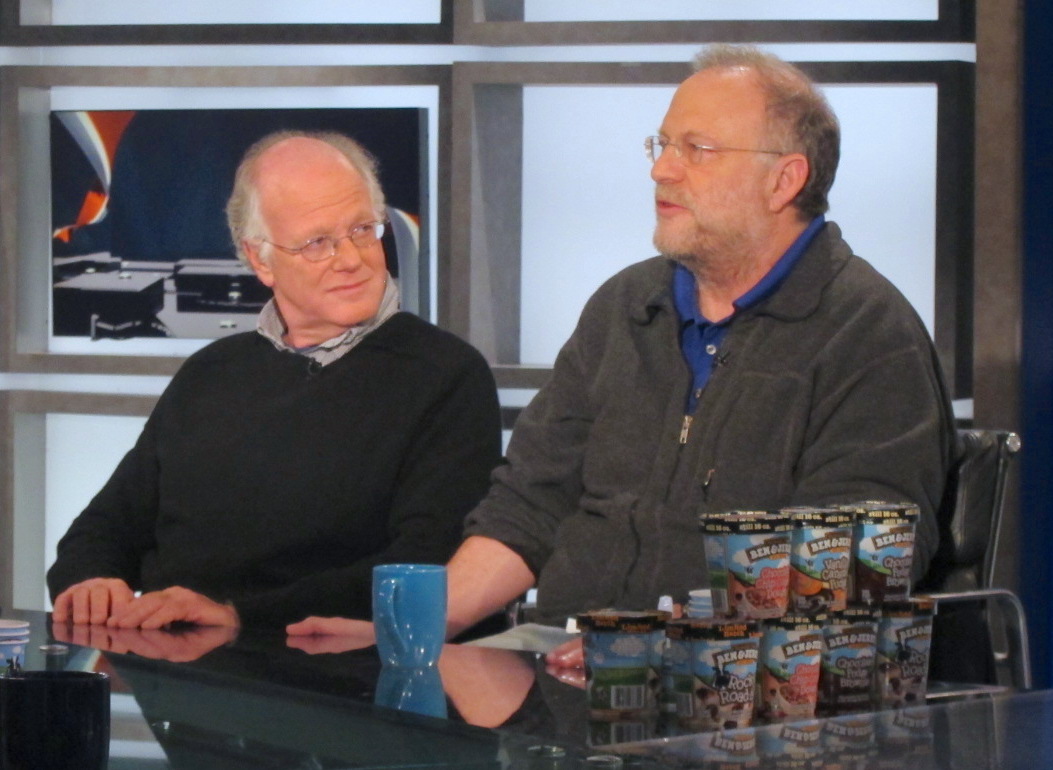
Ice cream followed a different plan
HISTORY's account of the opening says the friends had considered a bagel business, but equipment costs pushed them toward ice cream. Their first shop opened on May 5, 1978.
A correspondence course let them study without moving into a full-time specialist programme. It was a modest route into a practical subject, suited to people still working out their business plan.
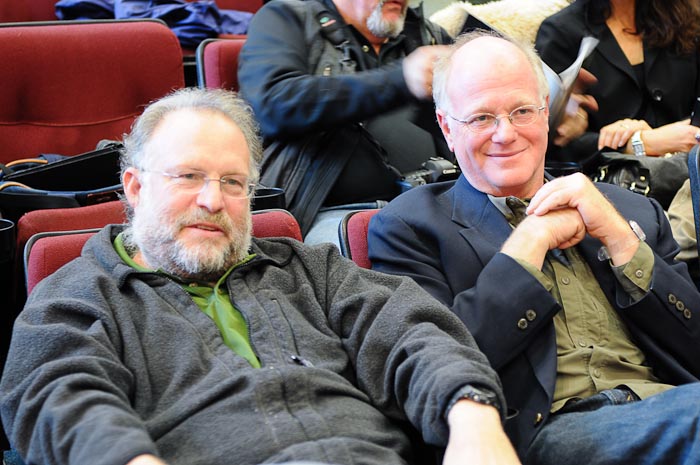
A small course, followed by a real experiment
A Ball State University account of Greenfield's later talk also describes the course and financing. The story became part of how the founders explained the company's early years.
It is easy to turn an origin story into a formula. Taking the same course would not guarantee the same result for another business. The useful lesson is less magical: learn what you do not know, understand the cost and test an idea in the real world.
A gas station became an ice cream shop, and a small lesson became part of a much larger story. The five-dollar detail endures because it makes a famous company feel connected to an ordinary first step: deciding to learn.
Photograph credits
- Photograph 1: Megan Robertson from New York, NY, United States, CC BY 2.0. Resized; captions identify contextual images.
- Photograph 2: Dismas, CC BY-SA 3.0. Resized; captions identify contextual images.

