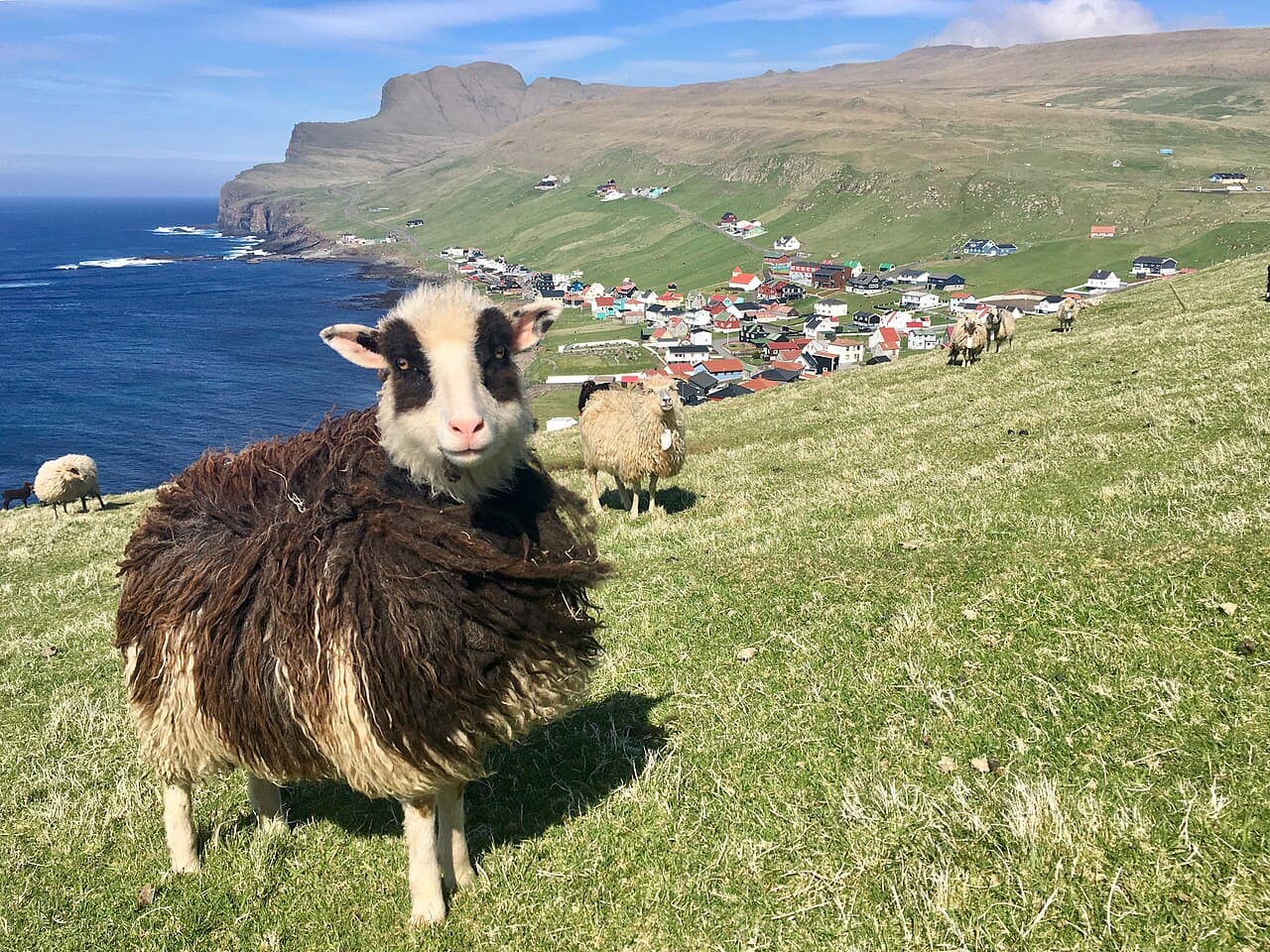
The Faroe Islands found an unusual way to ask for better online mapping: they put cameras on sheep. In 2016, Sheep View 360 turned grazing animals into ambassadors for an archipelago missing from conventional Street View coverage.
The campaign was funny, but its aim was practical. It wanted people around the world to see the islands' hills, coastlines and communities.
Cameras with a woolly support system
Durita Dahl Andreassen worked with local help to fit sheep with 360-degree cameras. ITV's July 2016 report described five animals contributing images as they moved around.
Sheep could offer an unusual perspective on the landscape. They could not be expected to follow a systematic road-survey route. That limitation was part of the charm—and part of why the project needed people too.
Google joined in during 2016
In an August 31, 2016 post, Google announced that its Maps team had already visited to train and equip the community. It supplied a Trekker and 360-degree cameras through its loan programme.
Residents and visitors could collect imagery using bicycles, backpacks, boats and other ways of getting around. The sheep helped attract attention; a wider community helped expand the coverage.
A campaign that made the landscape memorable
Visit Faroe Islands preserves the Sheep View campaign, documenting how the project developed. Wider coverage reached Street View in 2017. The territory is self-governing within the Kingdom of Denmark, rather than an independent island nation.
The story shows how a local characteristic can become a creative invitation. Instead of choosing an anonymous advertising idea, the campaign drew on animals already closely associated with Faroese life.
The result was more than a joke about wool. It encouraged people to look at a place they might never have thought to explore—and gave its residents a hand in deciding what the world could see.
Photograph credits
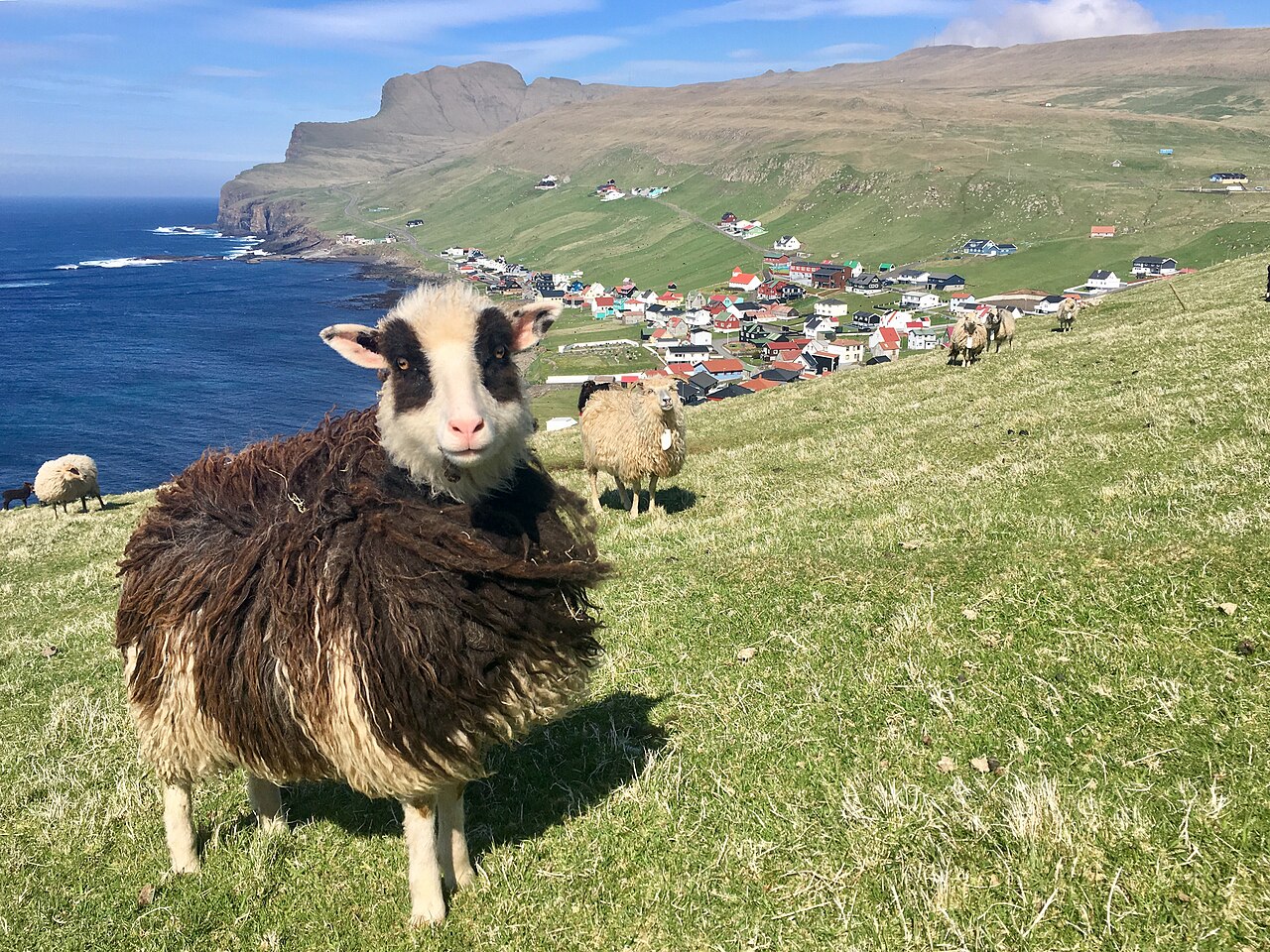
- Photograph 1: kallerna, CC BY-SA 4.0. Resized; captions identify contextual images.
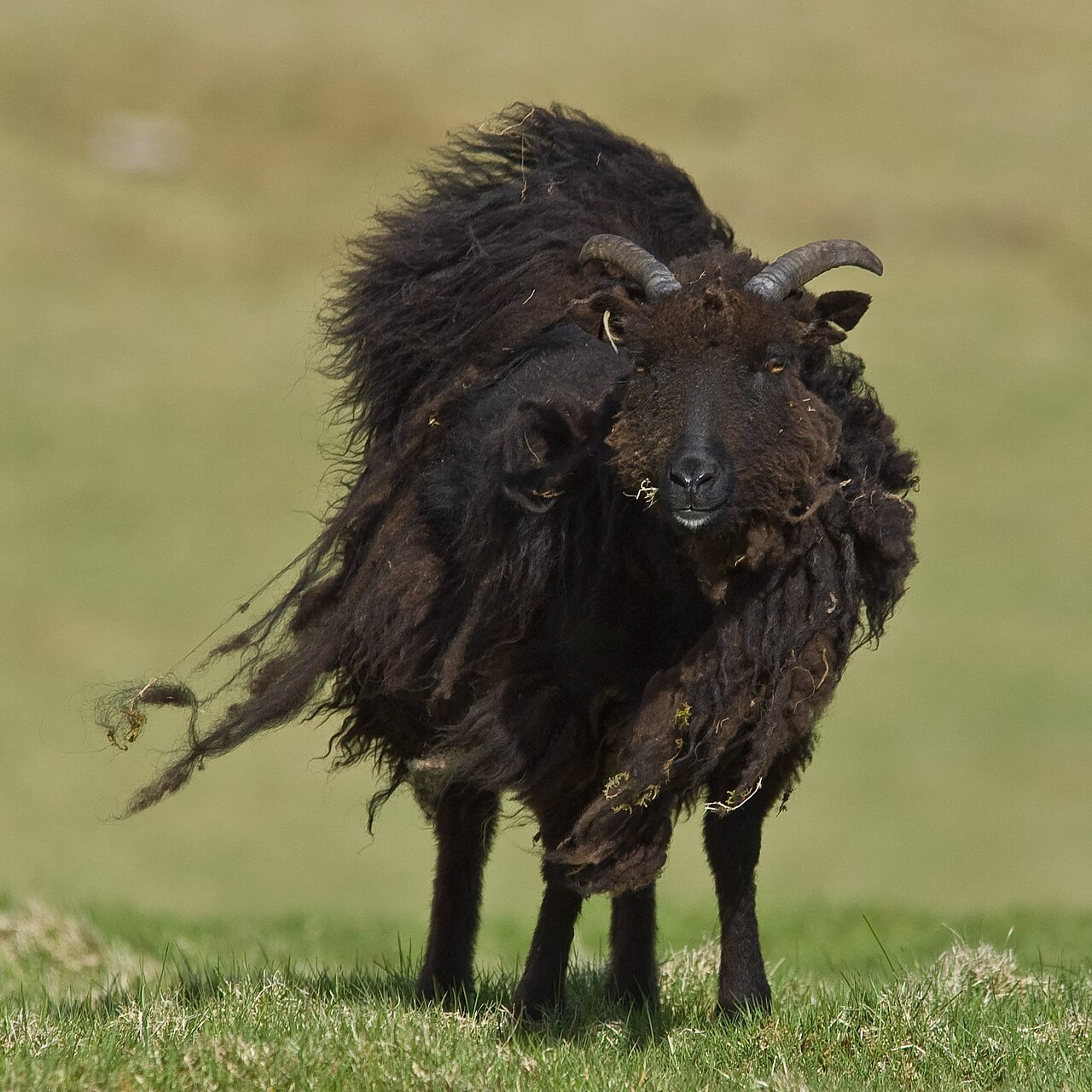
- Photograph 2: Arne List from Kiel, Germany, CC BY-SA 2.0. Resized; captions identify contextual images.

