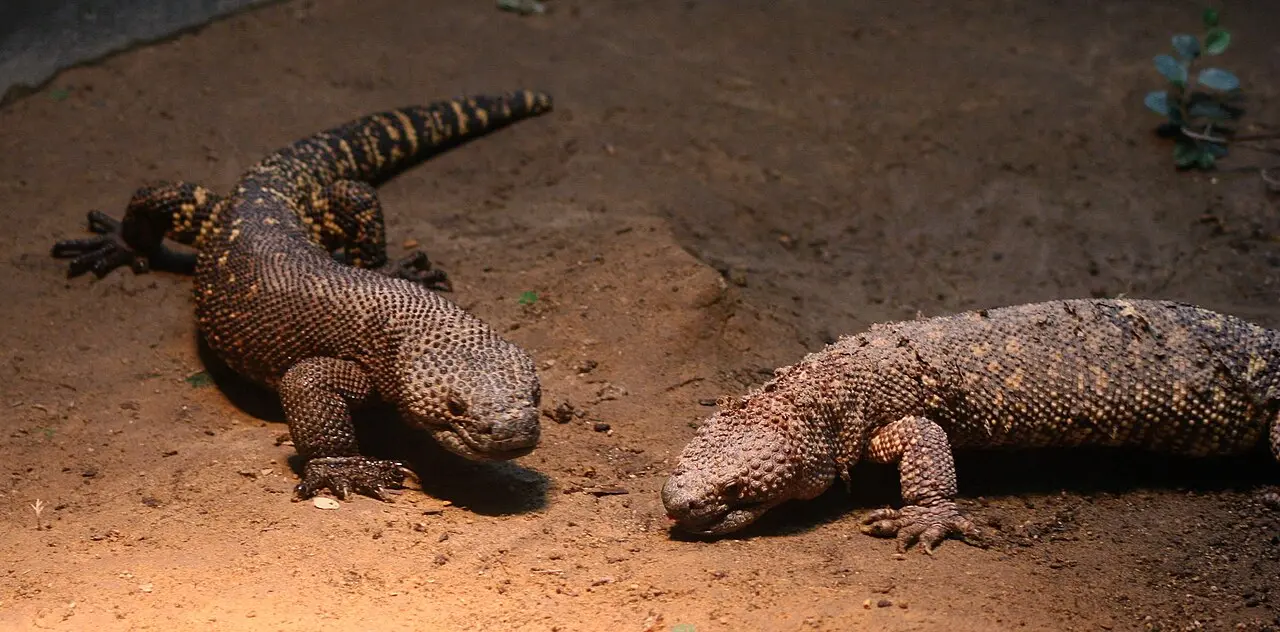
The Mexican beaded lizard wears a pattern that seems almost hand-carved. Rounded scales cover its dark body, while lighter markings add contrast to its head, back, and tail.
Known scientifically as Heloderma horridum, this reptile belongs to the same genus as the Gila monster. A closer look reveals why its skin, diet, and sheltered way of life deserve attention of their own.
What makes the scales look beaded?
Small bony structures beneath the scales help give this lizard its armored appearance. The result is a rough surface that looks very different from the smooth skin many people picture when they hear the word lizard.
Its stout tail stores fat, providing a reserve between meals. Its solid build gives it an instantly recognizable outline.
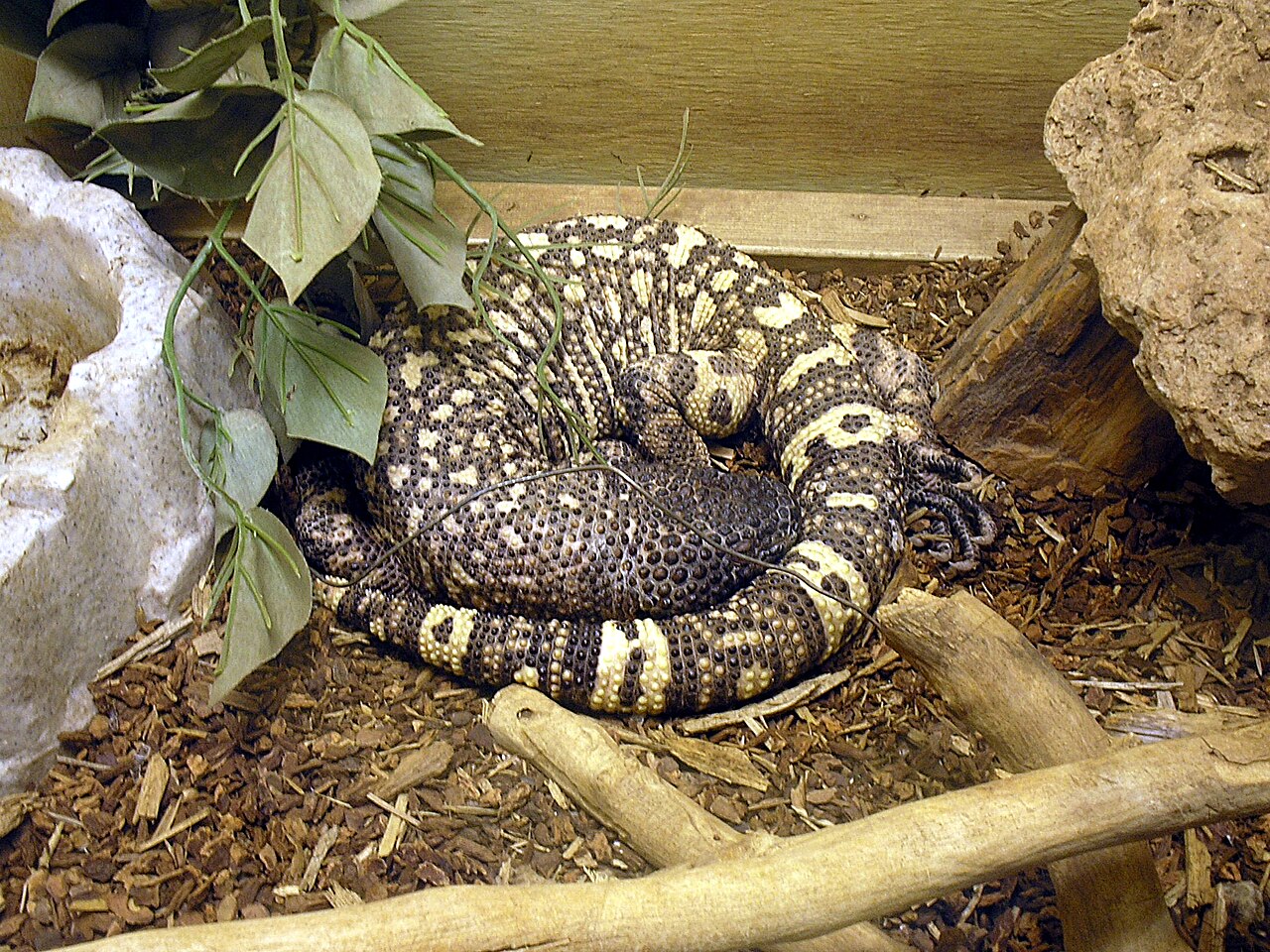
A hunter with a taste for eggs
Bird and reptile eggs form part of its diet, along with small animals. Finding a nest can provide a valuable meal in Mexico's seasonally changing habitats.
The species is venomous. Venom-producing glands sit in the lower jaw, and grooves in the teeth help deliver their contents during a bite. Animal Diversity Web describes its feeding and anatomy.
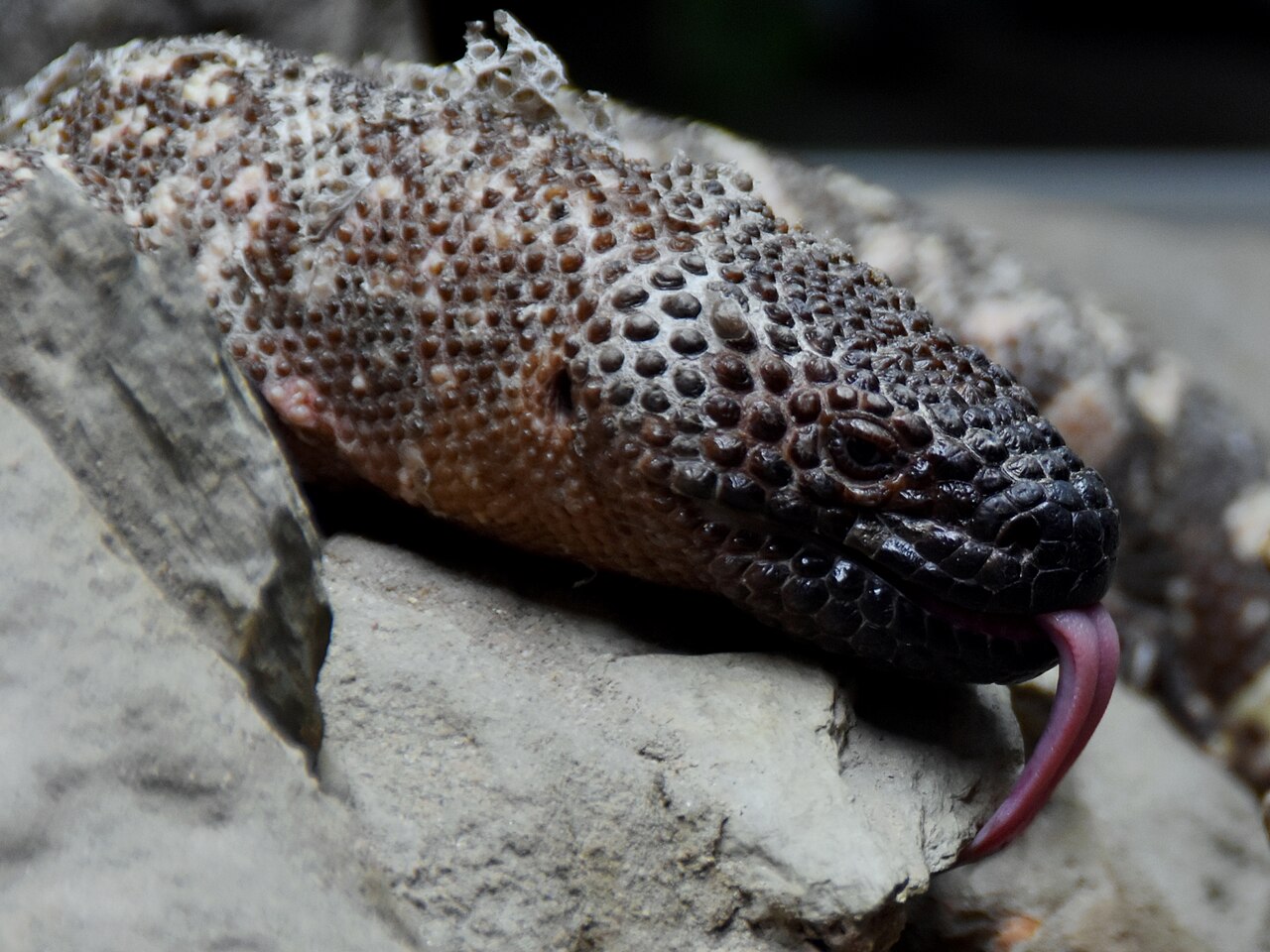
Looking beyond a frightening reputation
Habitat damage and deliberate killing can put pressure on beaded lizards. Fear is a poor guide to understanding an animal that spends much of its time out of sight.
Protecting natural cover and appreciating reptiles in their habitats help keep that hidden world intact. The Mexican beaded lizard reminds us that an animal can look formidable and still need our care and understanding.
Photo credits
Featured image: Heloderma horridum pair (Buffalo Zoo).jpg — User:Davepape; Public domain.

Body image 1: Mexican beaded lizard at Las Vegas Zoo.JPG — ZooFari; CC BY-SA 3.0.

Body image 2: Helodermatidae Heloderma horridum 1.2.jpg — NasserHalaweh; CC BY-SA 4.0.

Photographs resized for web display where available. Existing crops are identified in their source filenames; captive animals and landscape context are identified in the captions.