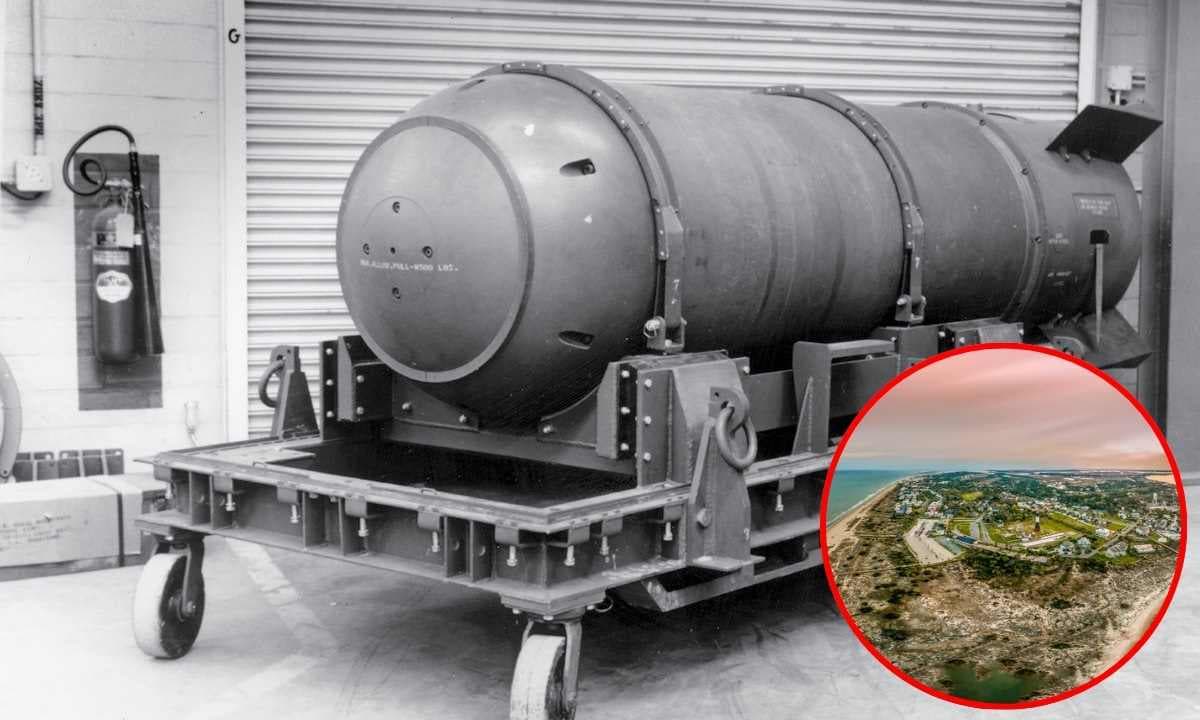
On an ordinary winter day in 1958, the waters off Tybee Island, Georgia, became a resting place for one of history’s most mysterious lost nuclear bombs. A standard training mission took an unexpected turn when a B-47 bomber collided mid-air with an F-86 fighter jet, a shocking event that resulted in the jettison of a Mark 15 hydrogen thermonuclear bomb.
While the crew, including Colonel Howard Richardson and Lieutenant Clarence Stewart, survived the ordeal, the bomb vanished beneath the expansive sea.
The collision occurred on February 5, 1958, marking a chilling chapter in the Cold War narrative. Imagine the tension in Colonel Richardson’s mind as he decided to jettison the 7,600-pound bomb, trying to prevent a potential catastrophe. Despite thorough searches by the Navy and subsequent investigations, the weapon — powerful enough to yield 3.8 megatons, nearly 190 times the bomb dropped on Nagasaki — remained untraceable, buried under the seabed of Wassaw Sound.
For years, curiosity hovered over Tybee Island like a thick fog. Retired Air Force pilot Derek Duke, driven by intrigue, conducted independent searches and claimed elevated radiation levels, sparking further public debate. Yet, assurances were given by the U.S. Air Force.
‘The bomb was unarmed and poses no threat, ‘
a statement intended to quell public concern.
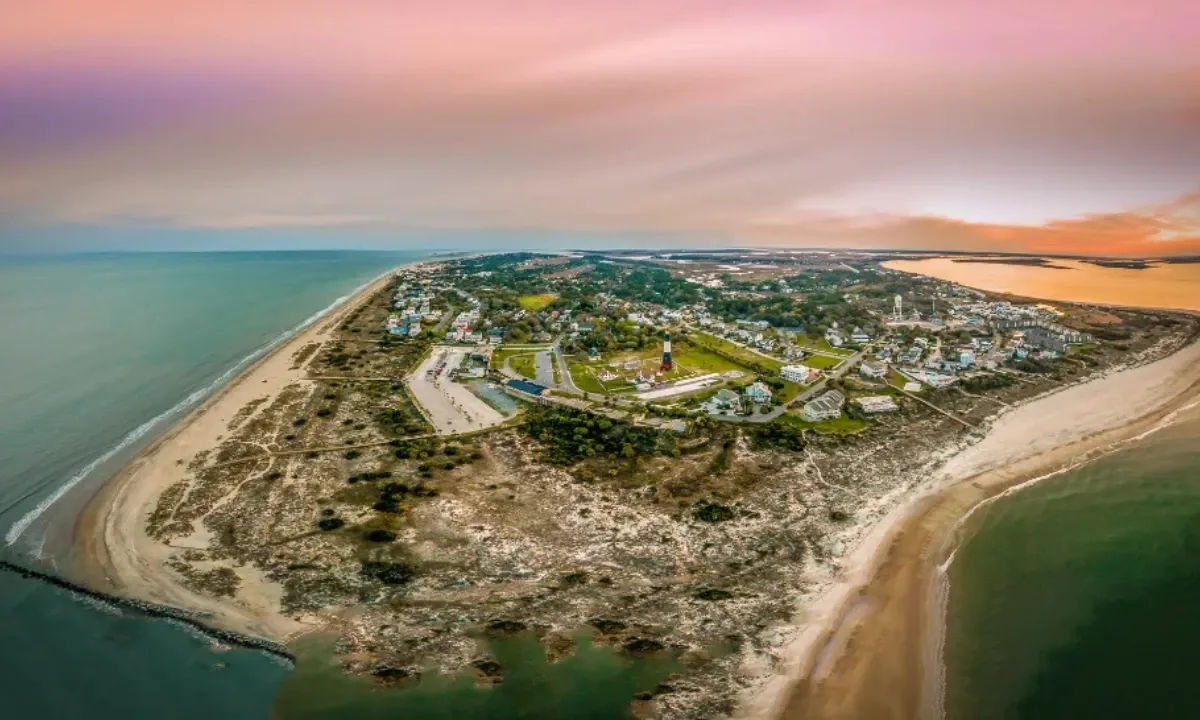
Throughout time, the lack of concrete answers continues to haunt and fascinate. Despite knowing more than we did back in 1958, not much has changed. Questions linger as deeply as the bomb itself lies beneath silt, challenging our understanding of safety and accountability.
What if the bomb were ever found? Would it bring closure or fuel further questions about what remains hidden in our histories? Until then, the legend of the Tybee Bomb endures, a subtle reminder of an era we can only try to learn from — one where the shadows of what is unseen grow larger than life. Could you imagine stumbling upon this piece of history while wandering the ocean’s depths?