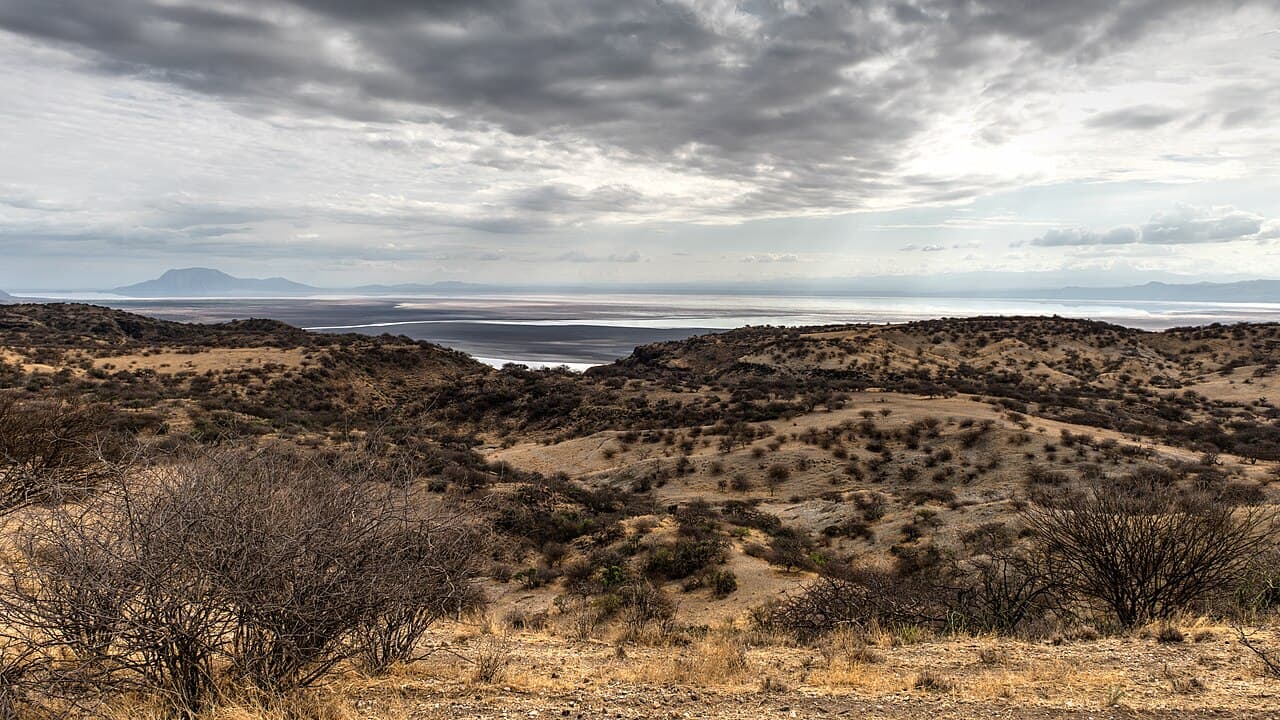
A lake that looks red from above can also be a nursery for flamingos. Tanzania's Lake Natron combines salty, alkaline water with conditions that help protect breeding birds from some predators.
Its harsh reputation tells only half the story. For the right organisms, this is a place to thrive.
Why the water can look red
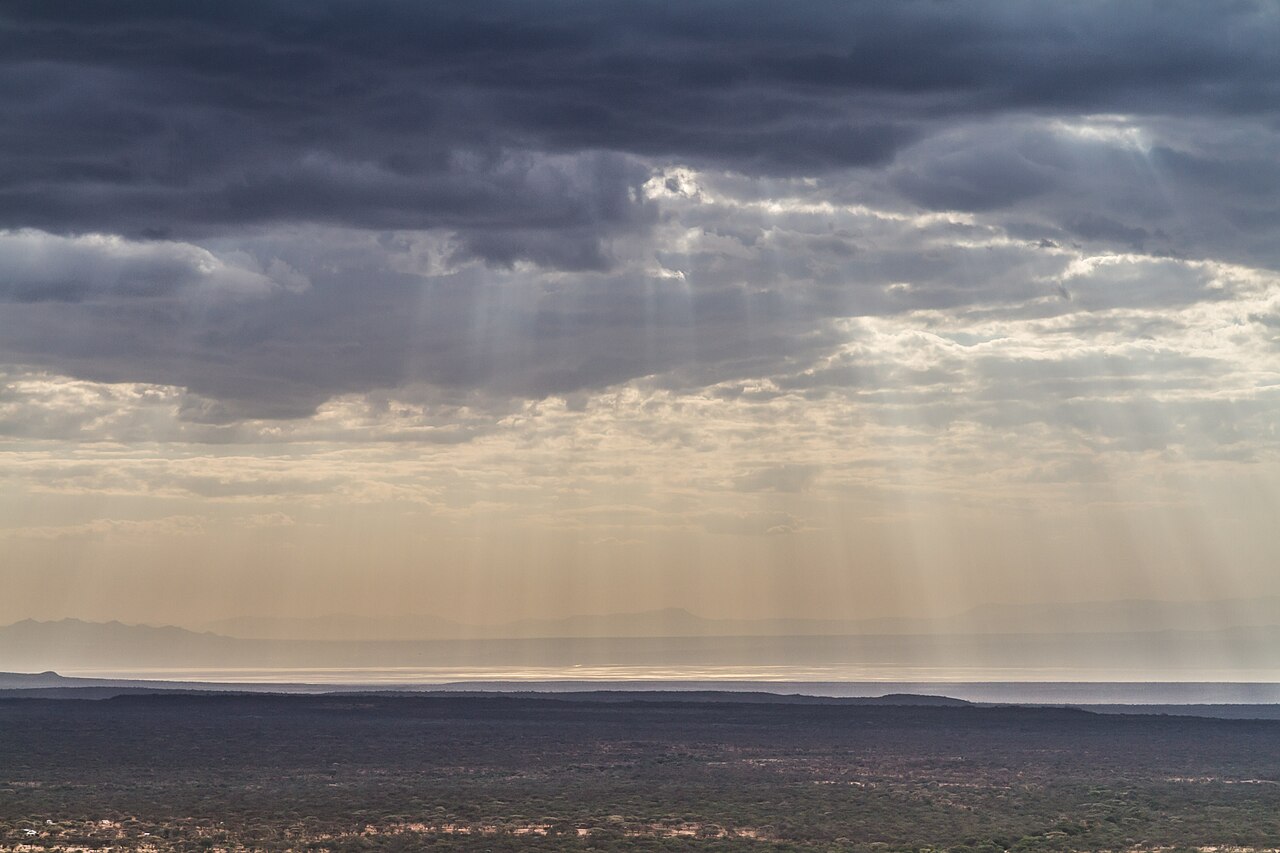
Lake Natron sits in East Africa's Rift Valley. Evaporation concentrates salts, while shallow water and salt crusts produce changing patterns.
NASA Earth Observatory describes blooms of salt-loving microorganisms, including haloarchaea, that can give shallow waters pink and red colors.
The whole lake is not always uniformly red. Rain, water levels, and microbial conditions affect the view.
Harsh does not mean lifeless
The lake's chemistry excludes many animals, but it supports specialized organisms. Those small life forms help make the wider ecosystem work.
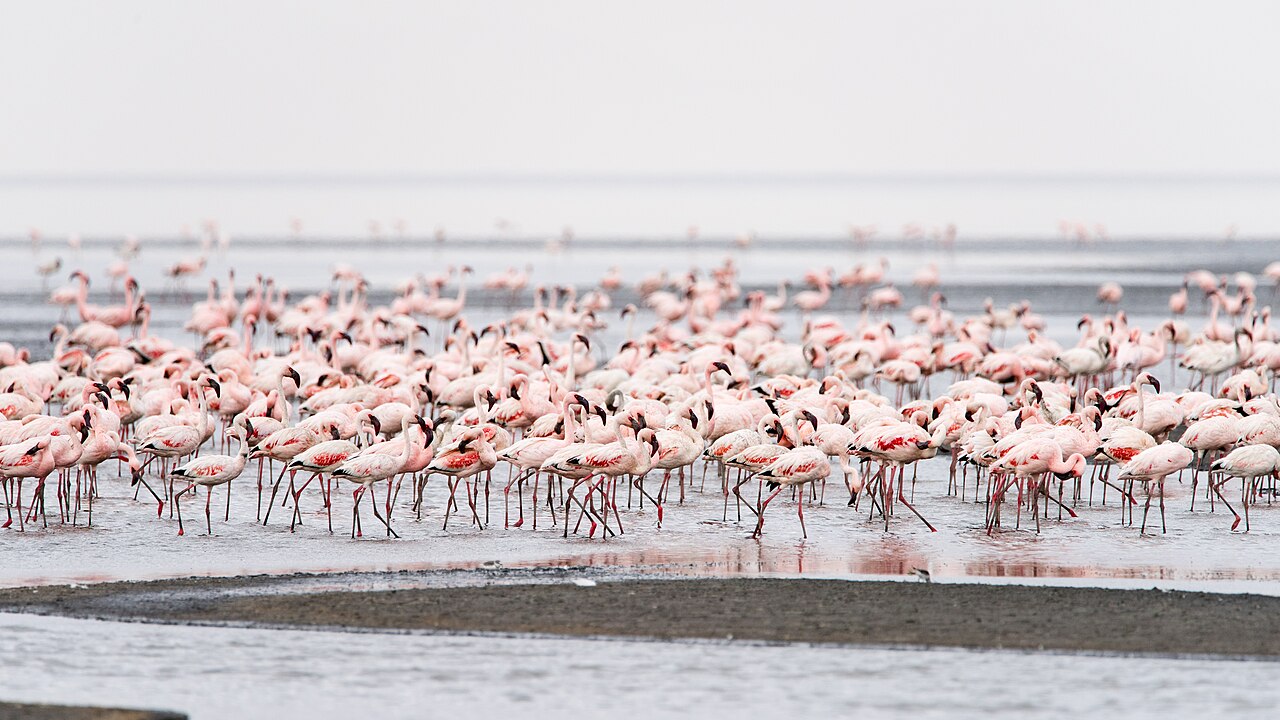
Lesser flamingos feed in the region's saline lakes. Their unusual feeding biology connects them to resources that many other birds cannot use in the same way.
A dramatic color photograph is therefore a glimpse of living chemistry, not simply a picture of hostile water.
A protected place for chicks
When conditions are suitable, flamingos breed on exposed areas within the lake. Channels and surrounding waters can make it difficult for land predators to reach nesting places.
The European Union's Copernicus description identifies Natron's importance as a major breeding ground for lesser flamingos.
That importance depends on water conditions and timing. A nesting refuge can be vulnerable when the system changes.
Look past the frightening nickname
Stories about a lake instantly turning living animals into stone oversimplify what salt and mineral preservation can do to remains.
Natron's real natural history is more compelling. It shows how an environment that seems forbidding to us can offer food and shelter to other species. The red water and the flamingo nursery belong to the same remarkable system.
Photo credits
Featured image: Christoph Strässler; Wikimedia Commons source; CC BY-SA 2.0. Resized for web display.

Body image 1: Benh LIEU SONG from Torcy, France; Wikimedia Commons source; CC BY-SA 2.0. Resized for web display.

Body image 2: Christoph Strässler; Wikimedia Commons source; CC BY-SA 2.0. Resized for web display.
