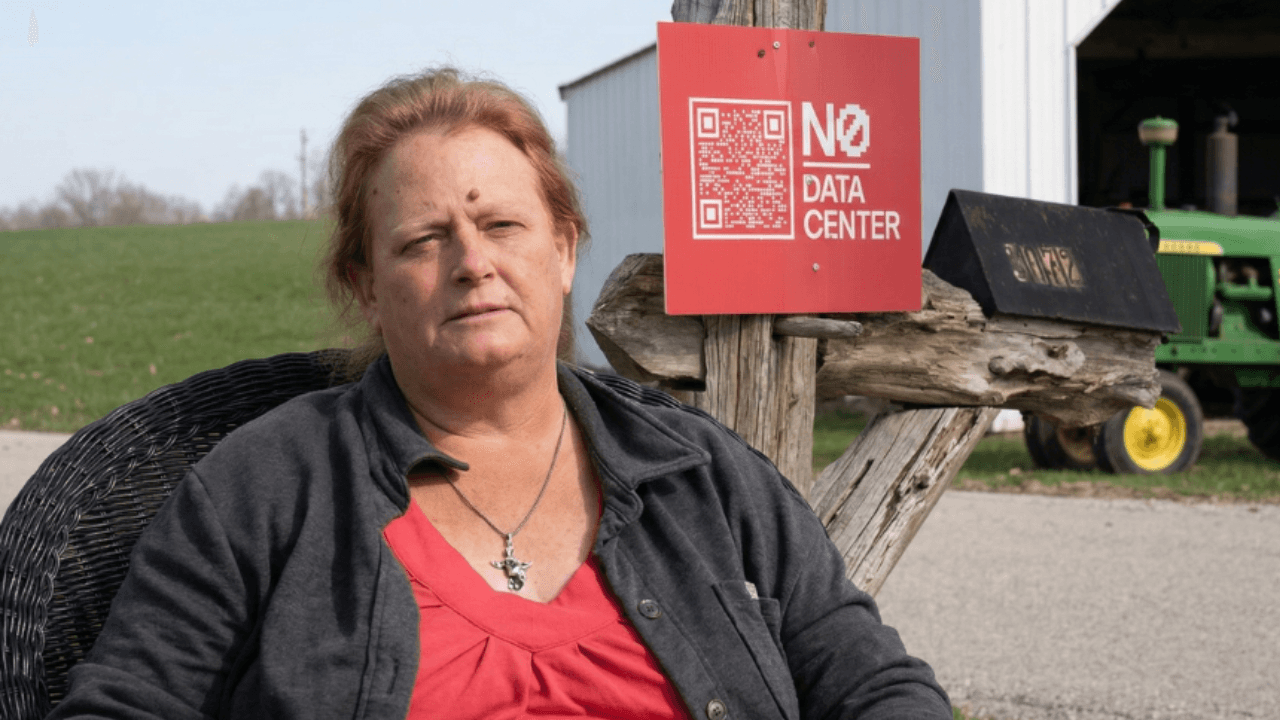
A northern Kentucky family has turned down a $26 million offer tied to a proposed artificial intelligence data center, choosing instead to keep the farmland their family has held for generations. Ida Huddleston, 82, and her daughter Delsia Bare said the land near Maysville means more to them than any check, even one worth millions.
Local 12 reported that a zoning request was filed to rezone nearly 28 agricultural parcels totaling more than 2,000 acres in Mason County for a possible data center campus. A public information page from the City of Maysville describes the proposal as a roughly 2,080 acre data center campus, showing that the project is still moving through local government channels even after the family refused to sell.
Why the family said no
Huddleston told Local 12 that she did not want a data center on her family’s land or near her home. She said she worries about farmland disappearing and raised concerns about water use and environmental harm. Her daughter shared the same view, saying the property carries family history that cannot be replaced by money.
People reported that the two women briefly felt pressured into accepting the offer before changing course and refusing to sell. They said fear of losing the land through eminent domain and the size of the offer created intense pressure, but in the end they decided their family legacy mattered more.
The land means more than cash
The farm is not just acreage on a map. The family says it has been in their hands since before the Civil War, and parts of it include graves and other deeply personal markers of family history. That is one reason this fight has resonated far beyond Mason County. It is not only about development. It is also about memory, identity, and what people believe should never be sold.
Huddleston and Bare are not alone. The Guardian reported in February that other landowners in Mason County and elsewhere have also rejected huge offers from data center developers, saying they care more about stewardship and community than a financial windfall.
What the project could still become
The proposal has not disappeared. Local 12 reported that the planning commission moved the project one step forward in April and that the final local decision would go to county officials. The Maysville city page also lists public meetings and official documents tied to the rezoning effort, showing the data center plan is still active.
The company behind the project has not been publicly named in the most detailed local reporting. That secrecy has become part of the controversy, with residents and opponents arguing that such a massive project should not move ahead without clearer public answers.
Supporters and opponents see very different futures
Supporters of the rezoning say a large data center could bring investment, construction work, and tax revenue to Mason County. Opponents argue the long term costs could be much higher, especially if prime farmland is lost and local resources are strained. WEKU reported that grassroots opponents have even prepared legal action against the proposal, showing how serious the fight has become.
That split reflects a bigger national clash. As AI companies race to build more data centers, rural communities are increasingly being asked to trade land, water, and quiet for infrastructure that promises future economic growth. This is an inference based on the Mason County dispute and broader reporting on similar fights around U.S. farmland.
Why this story is striking a nerve
People often assume everyone has a price. This story challenges that idea. A family was offered enough money to change their lives forever and still said no, because they believed keeping the farm mattered more than becoming rich. That emotional core is a big reason the story has spread so quickly. This is an inference based on the family’s public statements and the broad coverage that followed.
Readers can review the local reporting from Local 12 and the city’s official zoning information on the Maysville data center page. For now, the central fact is simple: one Kentucky family decided that even $26 million was not enough to buy their farm.