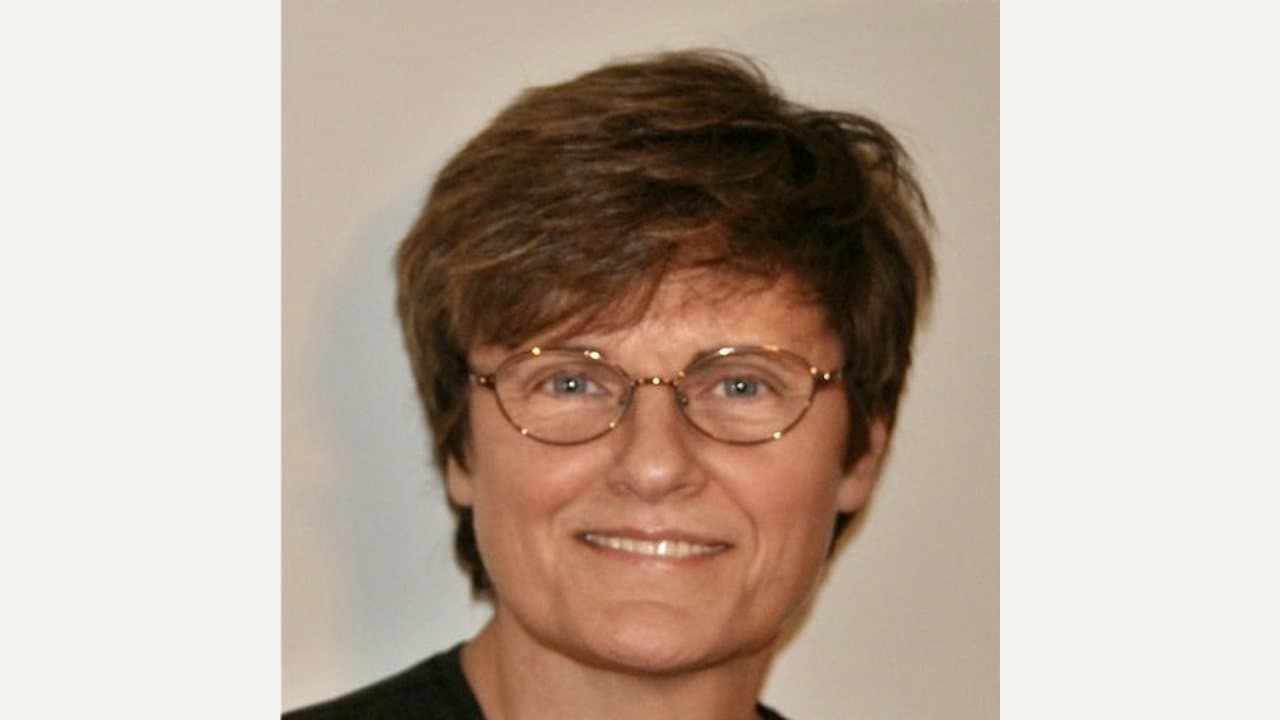
Katalin Karikó kept working on messenger RNA even when the academic system offered little encouragement. In 1995, difficulty securing research funding led to a demotion at the University of Pennsylvania.
Twenty-eight years later, she shared the Nobel Prize in Physiology or Medicine with Drew Weissman for discoveries that helped make effective mRNA vaccines possible.
A research question that endured
Karikó had moved from Hungary to the United States in 1985. She worked at Temple University before joining Penn in 1989, continuing to investigate the possibilities of messenger RNA.
A scientific profile in PNAS describes the funding difficulties that marked this period and the 1995 change in her position. The setback affected her academic standing, but it did not end the research.
Her persistence was specific: she continued studying a biological tool whose practical medical use still faced major obstacles.
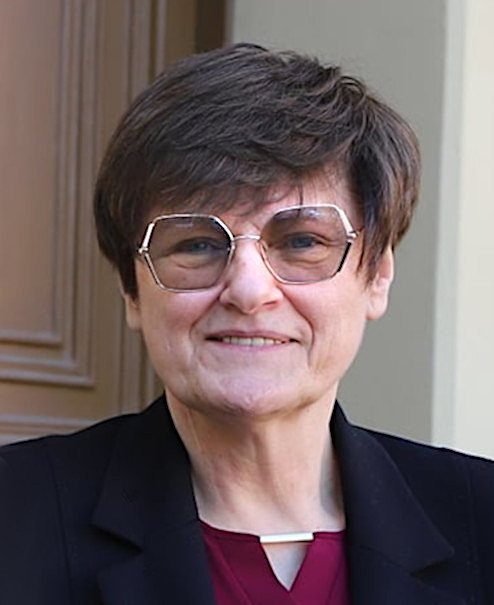
Katalin Karikó photographed at the University of Szeged in 2021. Photo: Szegedi Tudományegyetem, CC BY-SA 4.0. Resized; JPEG conversion. Image adaptation shared under the same CC BY-SA 4.0 license.

A collaboration changed the possibilities
Karikó and Weissman began collaborating at Penn. Their work helped explain how modifications to RNA could reduce an unwanted inflammatory response while allowing cells to produce a desired protein.
The European Patent Office's account of their Nobel recognition describes the importance of these discoveries to mRNA vaccine development.
The achievement was collaborative. It also depended on years of subsequent work by researchers, manufacturers and clinical teams. Karikó's contribution should be recognized without reducing an entire vaccine platform to one person's invention.
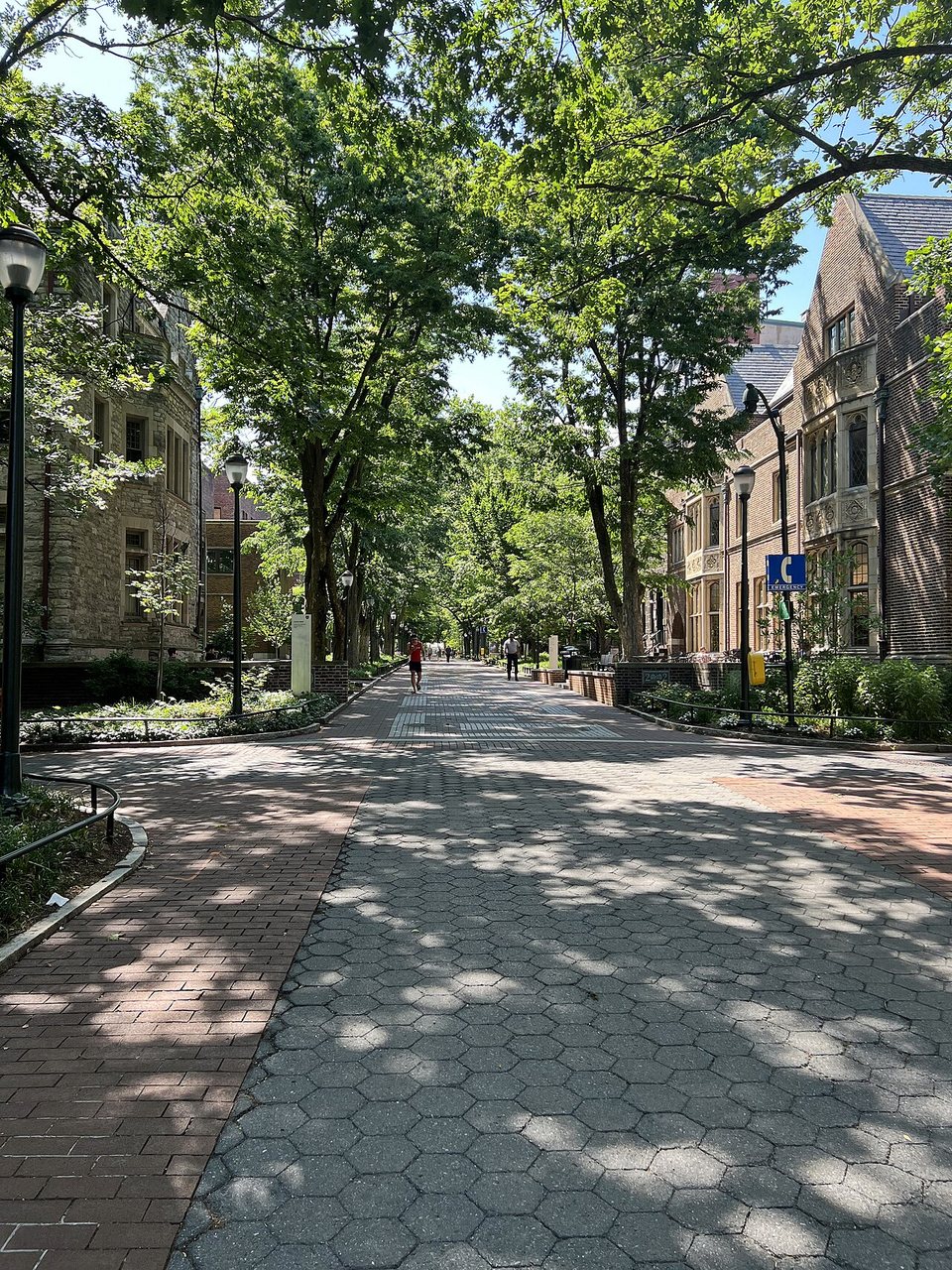
Archival University of Pennsylvania campus photograph from 2024. This does not show the laboratory or the 1995 demotion. Photo: 颐园居, CC BY-SA 4.0. Resized; JPEG conversion. Image adaptation shared under the same CC BY-SA 4.0 license.

Recognition came much later
The National Women's History Museum's biography follows her career through the early setbacks and her later move to BioNTech in 2013.
In a Nobel Prize podcast interview, Karikó also discussed the demotion herself. By then, a period once associated with professional disappointment had become part of a much longer scientific history.
Her story does not mean every rejected idea will succeed. It shows why the value of a research question can take longer to become clear than the grant or promotion cycle used to judge it.
Featured image: Archival portrait of Katalin Karikó, with light correction credited in the original file. Photo: File:Katalin Kariko.jpg: Krdobyns derivative work: Innisfree987, CC BY-SA 4.0. Resized and placed on a plain 16:9 canvas without cropping the subject. Image adaptation shared under the same CC BY-SA 4.0 license.
