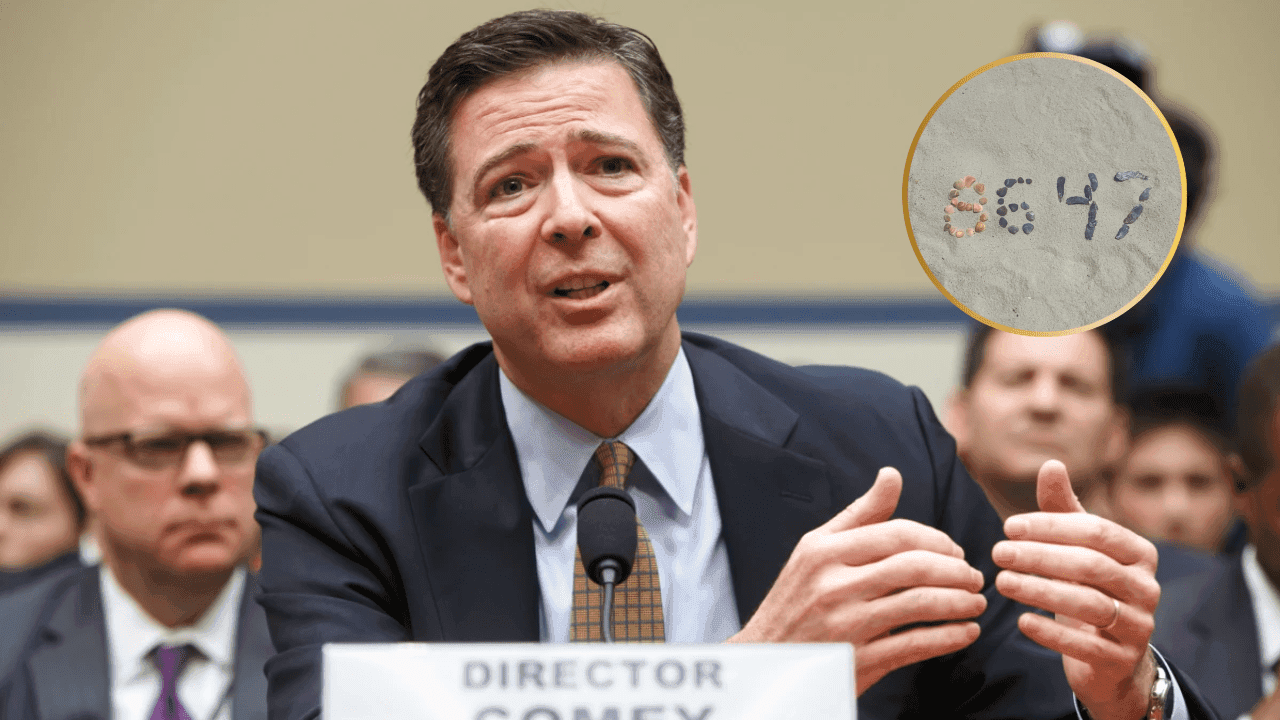
In a surprising turn of events, former FBI Director James Comey has found himself at the center of an intense investigation. Onlookers across the nation are captivated by the unfolding drama that could potentially have major implications on political and legal landscapes.

The investigation targets Comey’s actions during his tenure as the head of the FBI, particularly focusing on his decisions surrounding high-profile cases and alleged leaks to the media. Government officials have chosen to keep much of the investigation details under wraps, citing national security concerns.
This probe into Comey’s conduct marks a significant moment in the justice department’s history. Experts suggest that the outcomes could redefine the boundaries of agency leadership responsibilities.
A key factor adding intrigue to this case is the involvement of significant political figures, who have either shown strong support or fierce opposition to Comey’s past actions. This divide has once again underscored the pervasive partisan tensions in the capital.
As the investigation unfolds, many questions remain unanswered. What new evidence could potentially come to light? How will this affect the political careers of those involved?
James Comey himself has maintained a stoic silence, choosing to let the legal process play out. Given his past of making sweeping revelations, the public eagerly anticipates his next move.
While it is unclear how long this investigation will last, its implications are undeniably profound. A verdict that favors the accusations against Comey could have lasting effects on how governmental agencies are run and how their leaders are held accountable.
In the broader picture, this investigation serves as a reminder of the delicate checks and balances that define America’s governance. The process that follows will be a testament to the rule of law and its unyielding pursuit of truth, no matter the stature of those under the microscope.