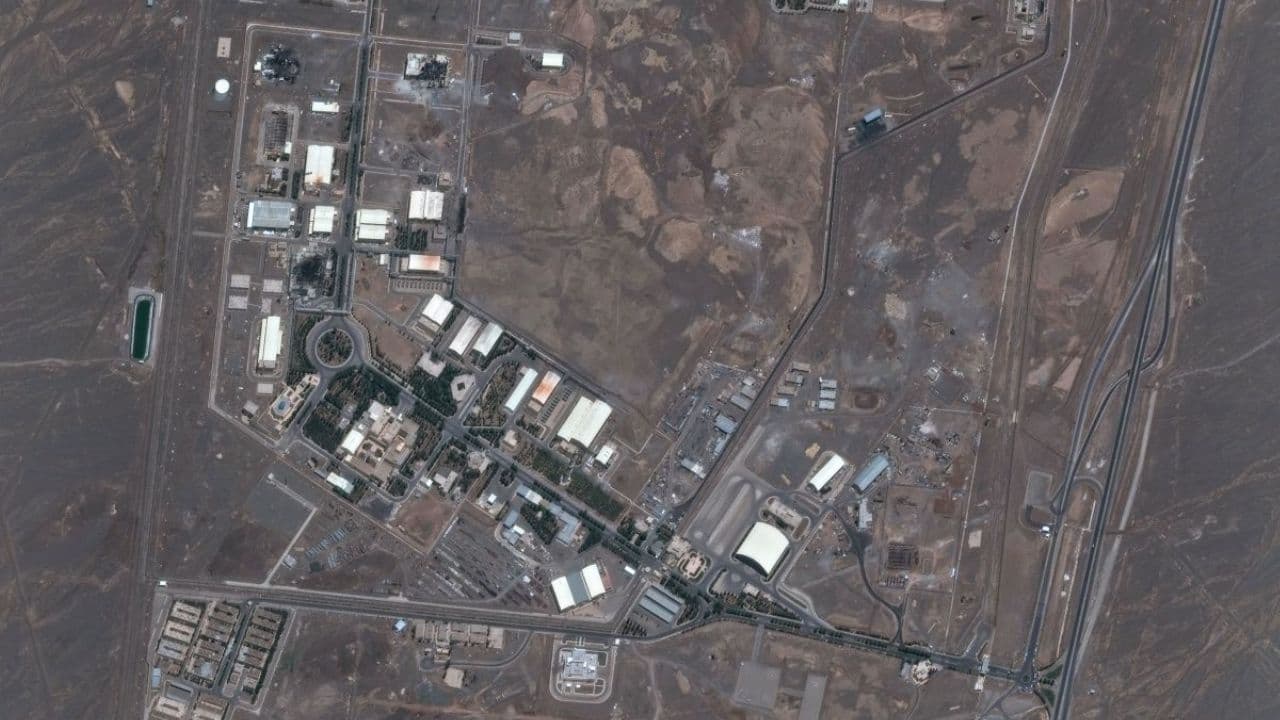
Israel has recently launched airstrikes against Iran, arguing that the nation is dangerously close to acquiring nuclear weapons. Israeli officials have warned that they see Tehran approaching a critical point, necessitating these military actions to curb their nuclear ambitions.
However, US intelligence assessments offer a starkly contrasting view. Reports indicate that Iran is not actively pursuing a nuclear weapon at the moment and could be three years away from being able to build and deliver one to a target. This discrepancy has triggered widespread debate about the legitimacy and implications of Israel’s preemptive strikes.
“Israel’s actions might only have temporarily delayed Iran’s nuclear progress, not completely thwarted it,” a US official stated.
This tension has raised eyebrows internationally, with analysts like former defense official Michael Mulroy weighing in, stating that while Israel aimed to safeguard itself, such actions could inadvertently escalate the regional arms race.
So, what does this mean for the future? Are we witnessing a dramatic prelude to a broader conflict? The implications extend far beyond the Middle East, sparking a question: should military intervention hinge on preemptive claims without solid evidence?