A small patch of riverine forest can matter enormously to a bird with a restricted range. For the hoary-throated spinetail, habitat details are central to the whole story.
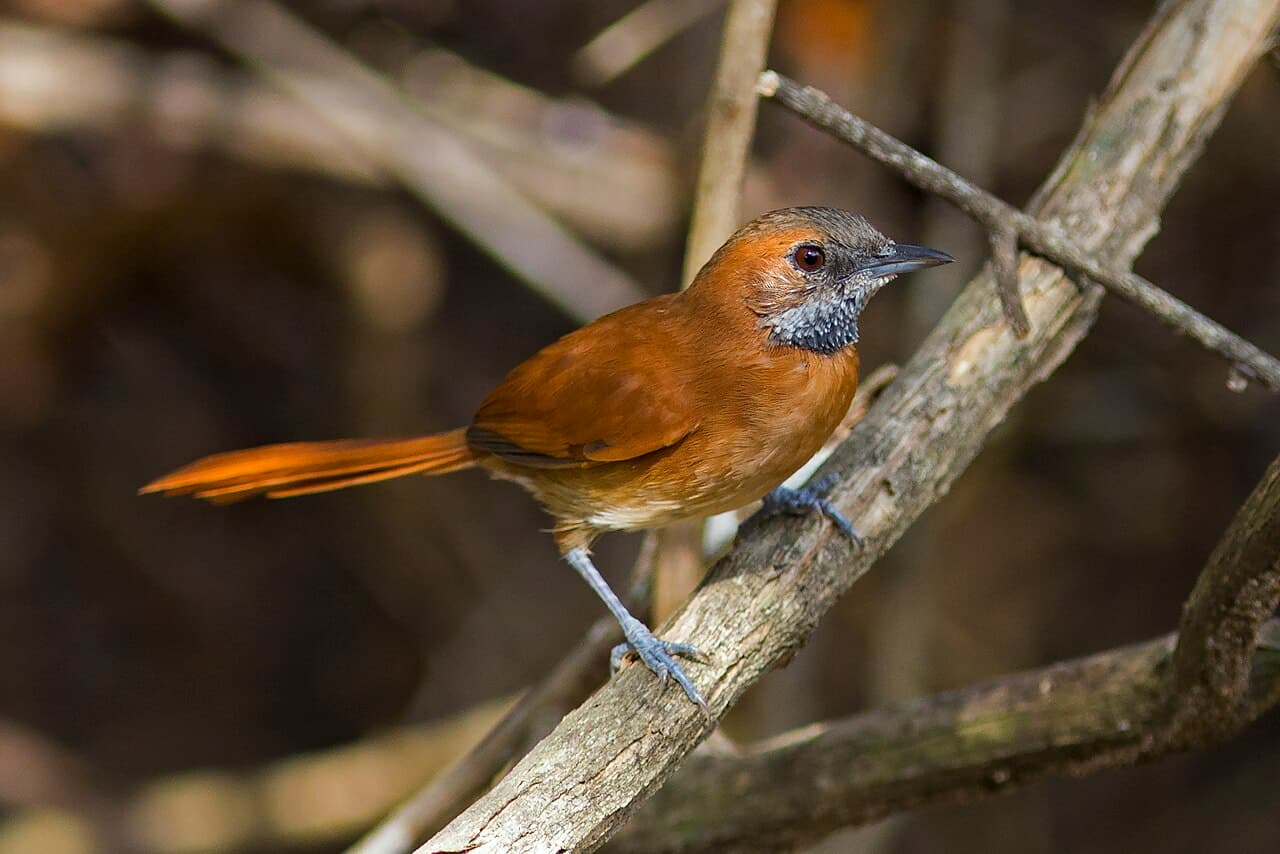
Synallaxis kollari has warm brown plumage, a greyish throat, and a long pointed tail. It is a small member of the ovenbird family.
A bird with a very particular address
The 2024 IUCN assessment places the species in Brazil and Guyana and lists it as endangered.
Its habitat includes lowland forest associated with inland waters. A broad regional map can conceal how little suitable habitat actually remains.
The bird photograph here comes from Amajari in Brazil's Roraima state.
Why a river view is not the whole habitat
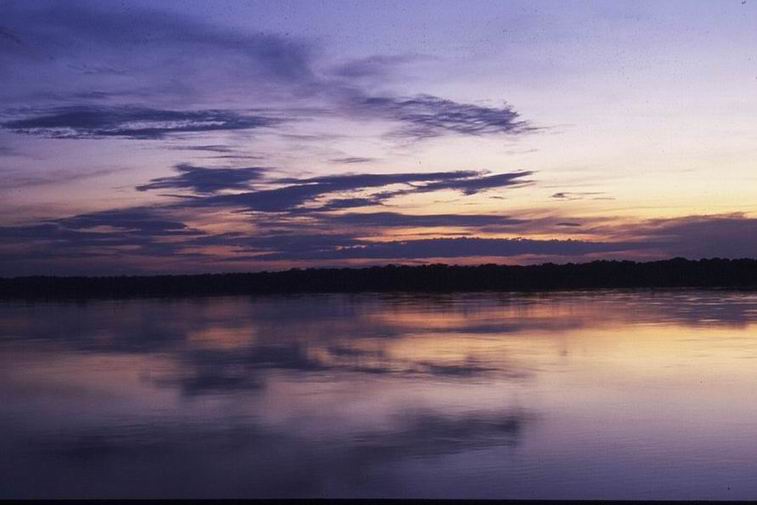
The landscape photographs show the Rio Branco region, not additional sightings of the bird.
They provide context for a life dependent on particular vegetation along waterways. Open water, a cleared bank, and intact riverine cover are not interchangeable places for a forest bird.

Protect what the map can miss
American Bird Conservancy's habitat analysis uses the spinetail to show the difference between a mapped range and actual usable habitat.
Agriculture, vegetation clearance, fire, and changes to water systems create conservation concerns.
A rare bird need not have a huge crest or brilliant colors to be extraordinary. The hoary-throated spinetail asks us to notice something quieter: how one small life can depend on keeping a narrow living landscape intact.
Photo credits
Featured image: Synallaxis kollari - Hoary-throated Spinetail; Amajari, Roraima, Brazil.jpg — J.A. Jacomelli; CC BY-SA 2.0.

Body image 1: Branco River.jpg — The original uploader was בן הטבע at Hebrew Wikipedia .; CC BY-SA 2.5.

Body image 2: Rio Branco Caracarai.jpg — Túllio F; CC BY-SA 4.0.

Photographs resized for web display where available.