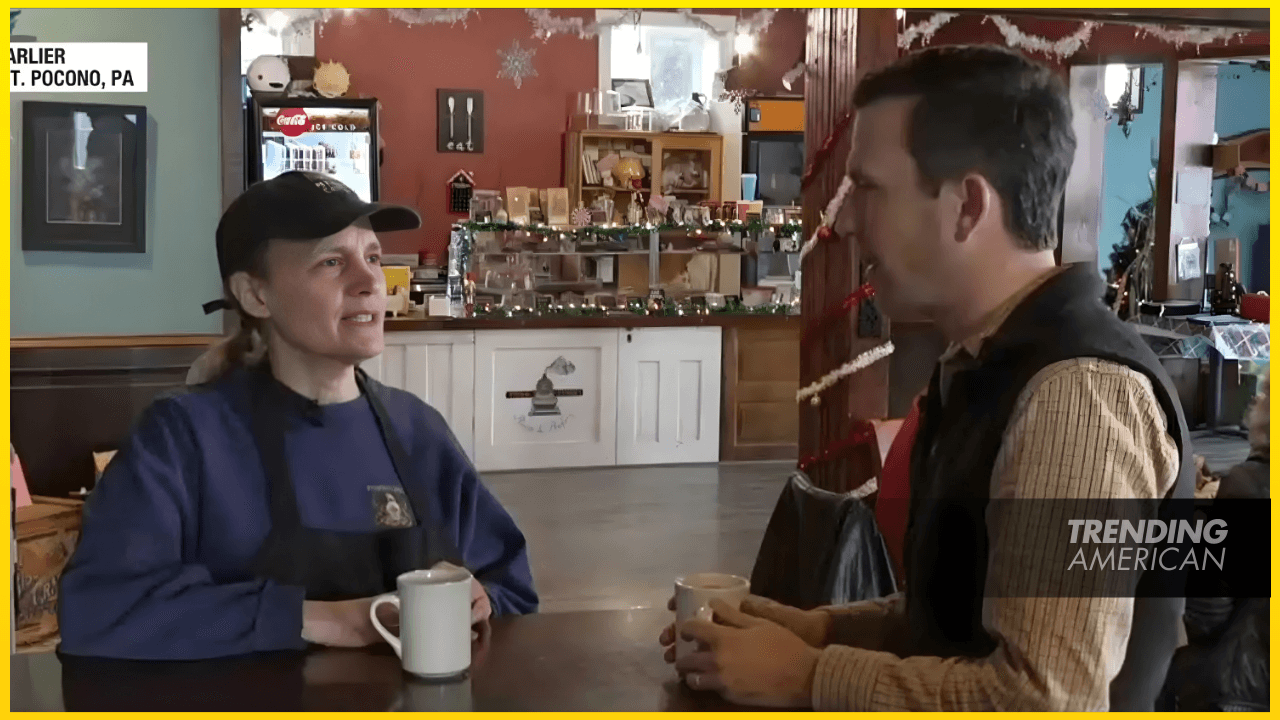
In December 2025, voters in Pennsylvania—a crucial battleground state—are hearing competing narratives about the economy. Trump is campaigning across the state to promote an economy narrative he says is powered by tariff-driven growth, while Democratic officials and the White House communications team emphasize affordability and cost-of-living relief for ordinary households. The clash highlights how voters separate macroeconomic signals from everyday costs.
Polls cited in coverage of the race show a substantial portion of voters view the current economy negatively and blame the policy environment for high prices, suggesting that growth metrics alone aren’t winning trust for the incumbent message. Inflation remains a top concern for households as they weigh who can deliver real relief.
Voters in Pennsylvania report that even where job gains exist, the benefits aren’t felt in their wallets. Shoppers note higher grocery bills, energy costs, and rent, making affordability the dominant frame for the campaign. That sentiment stands in contrast to Trump’s claims of a booming economy, prompting questions about whether growth is translating into tangible relief.
Campaign dynamics reflect the split: Trump’s team is retooling the economic pitch as Democrats lean into affordability attacks. In Pennsylvania and other battlegrounds, the White House and Democratic officials aim to tie economic gains to concrete cost-of-living relief, while Republicans push a broad growth story. The result is a stark contest over which economic narrative voters believe will deliver real improvements in daily life.
With Pennsylvania at the center of the race, the economy narrative could prove decisive if voters don’t feel that the gains are reaching their households. As the campaign season intensifies, voters will decide whether a booming-growth story or an affordability-focused agenda best aligns with their priorities.
Disclosure: We may earn a commission when you make a purchase through the ads.