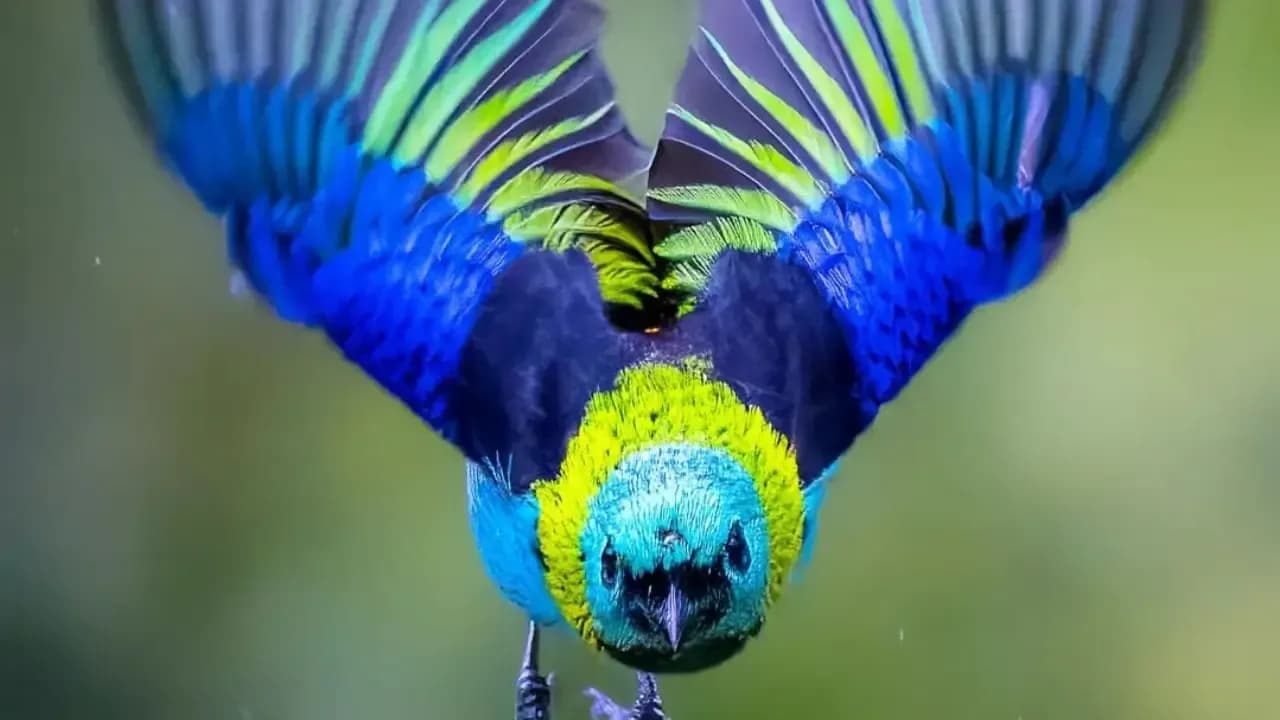
The Green-headed Tanager (Tangara seledon) is one of the most colorful birds in South America, but chances are, you’ve never seen it. . Found deep in the Atlantic Forest of south-eastern Brazil, this dazzling bird manages to stay hidden in plain sight.
Despite its electric mix of green, blue, black, and bright orange or red, this small bird blends almost perfectly into the dense foliage of Brazil’s Atlantic Forest. Found mainly in southeastern Brazil, it also lives in parts of eastern Paraguay and northeastern Argentina (Misiones province).
At just 13.5 cm (about 5.3 inches) long and weighing around 18 grams (0.6 ounces), this tanager is a master of camouflage. Its blue-green head mirrors the surrounding leaves, and its black back helps it vanish in the shadows of the upper canopy.
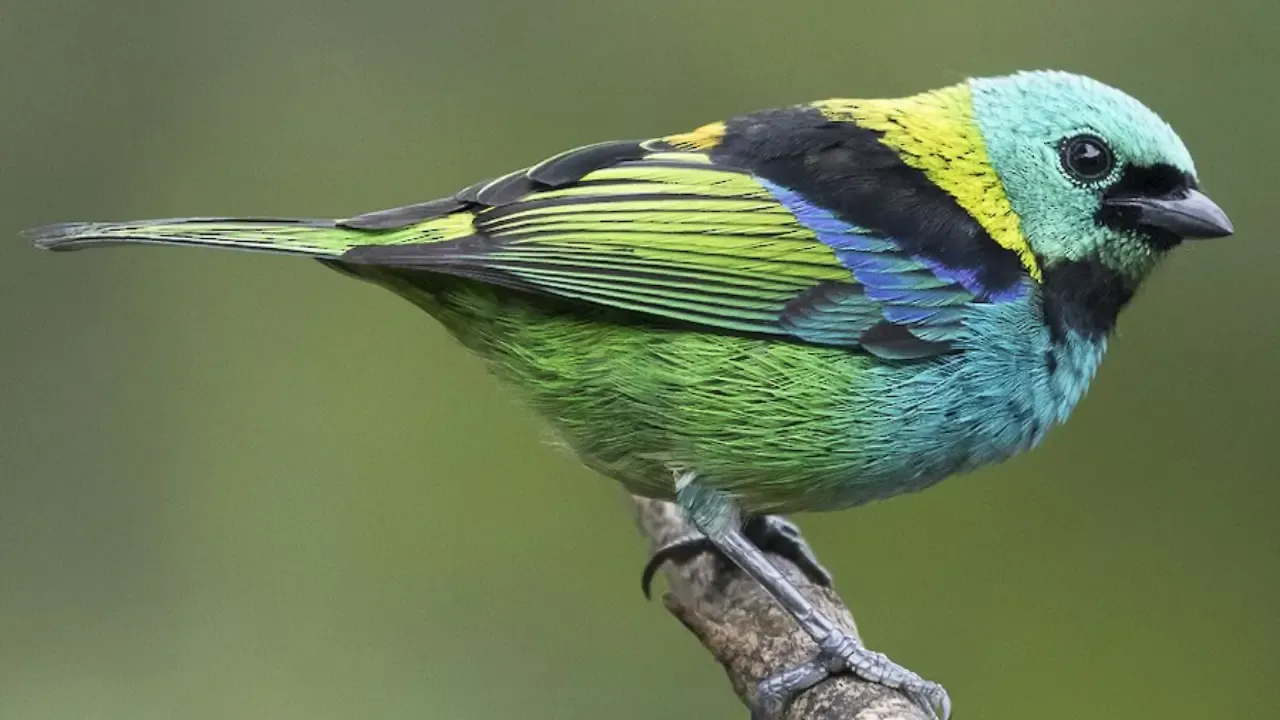
Image credit: Silvia Faustino Linhares.
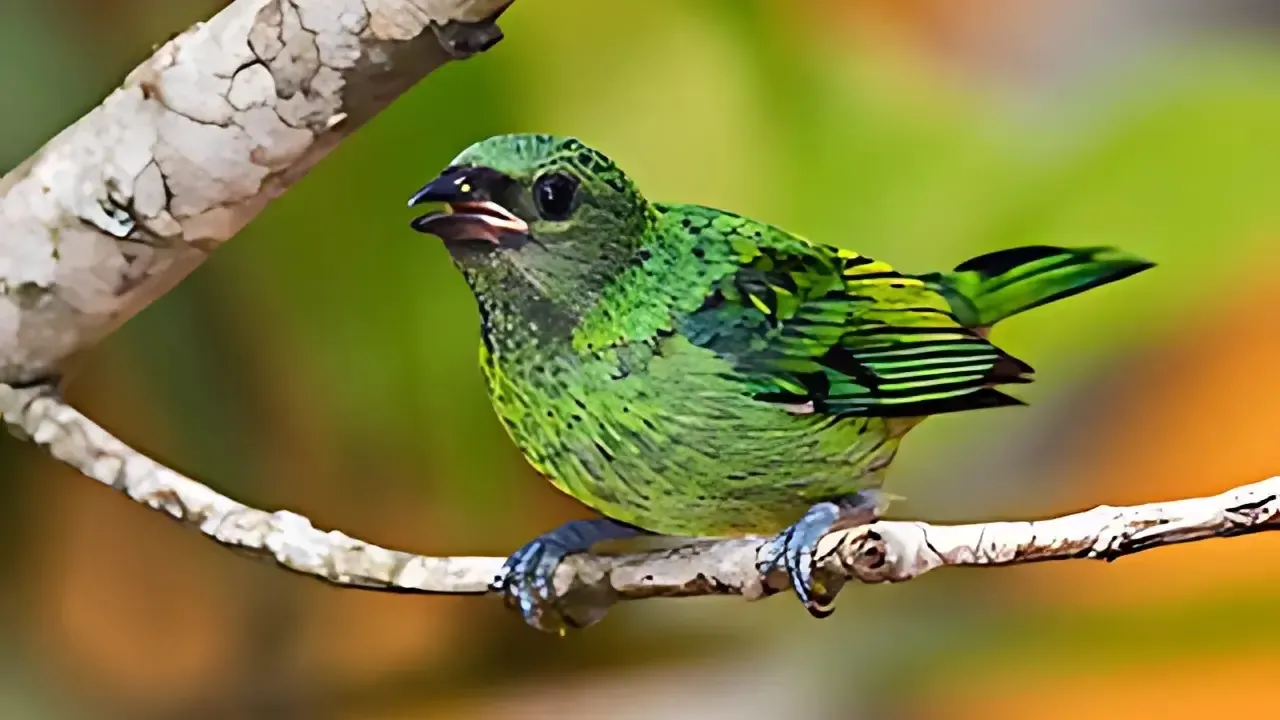
Though it prefers humid lowland forests, the Green-headed Tanager is also spotted in orchards, public parks, and even urban gardens, often moving in small groups or joining mixed-species flocks. It feeds mostly on small, dark-colored wild fruits, but occasionally catches insects and larvae, especially during breeding season.
These birds are social and active foragers, constantly moving among the treetops. During the breeding season, from November to February, pairs build nests and raise young—sometimes with help from older offspring acting as “helpers.”
Currently listed as Least Concern by the IUCN, the Green-headed Tanager still faces threats. Its home, the Atlantic Forest, is one of the most endangered ecosystems in the world, with over 85% of its original cover destroyed. Conservation groups like REGUA and the American Bird Conservancy are working to protect what remains of this precious habitat.
This reserve offers birdwatchers a rare chance to see the Green-headed Tanager in the wild along with migratory species like the Blackpoll Warbler, which travels from Canada’s boreal forests in winter.
For birdwatchers, spotting the Green-headed Tanager is a rare and rewarding experience like catching a glimpse of a flying jewel. But its disappearing habitat is a reminder that even the most dazzling creatures can vanish without a trace.
So if you ever find yourself under the dense green canopy of southeastern Brazil and see a flash of electric blue or fiery orange, you might have just seen one of nature’s most breathtaking and well-camouflaged—birds.