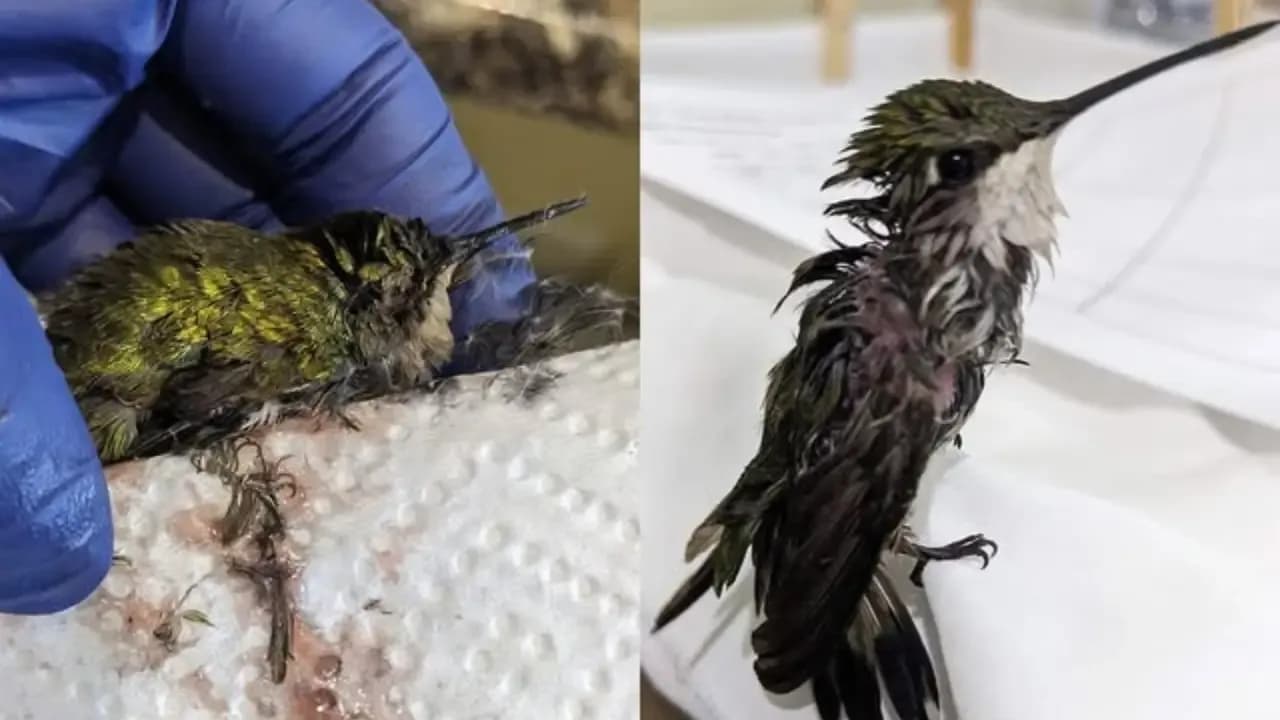
A bird rehabilitation group in Wisconsin is urging the public to stop feeding grape jelly to birds after three hummingbirds were recently found coated in the sticky substance, with one of them arriving dead.
Raptor Education Group, Inc. (REGI), a trusted wildlife rehab center, raised the alarm after admitting three adult ruby-throated hummingbirds in quick succession, each from different locations. In all cases, the birds were covered in grape jelly, a common bird feeder treat meant to attract orioles and catbirds.
“These birds were struggling,” said the organization in a statement. “One of them didn’t make it. The other two required urgent care after being coated head to toe in jelly.”
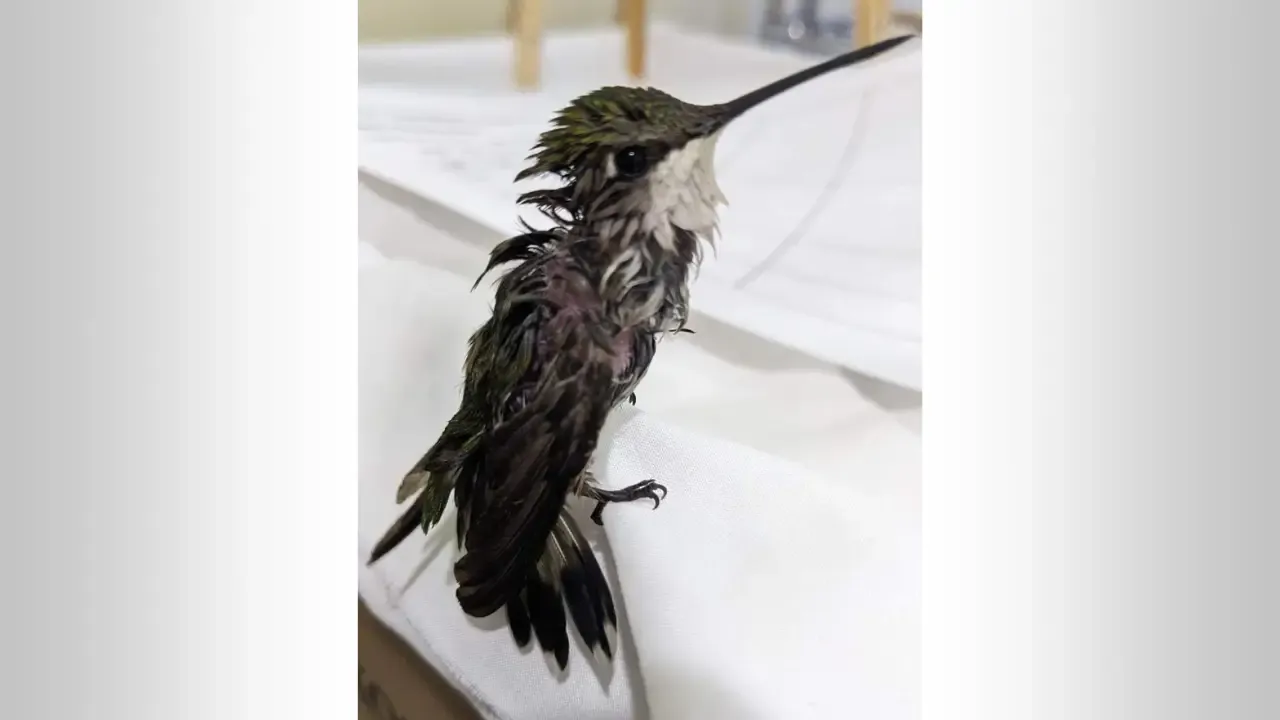
Although grape jelly is a popular offering at backyard bird feeders, it poses a serious risk to hummingbirds. The sugary spread can stick to their feathers, making it nearly impossible for them to fly or regulate body temperature. This can lead to exhaustion, injuries, or even death especially in smaller, more fragile species like hummingbirds.
As a safer alternative, REGI recommends offering fresh fruit like orange halves or slices instead of jelly. These natural options still appeal to orioles, catbirds, and other sweet-loving birds, without putting hummingbirds at risk.
The group also shared a powerful image showing one of the jelly-covered hummingbirds to raise awareness and encourage responsible bird feeding habits.
To protect all bird species visiting your yard, experts suggest the following tips:
- Avoid using sticky or processed foods at bird feeders.
- Stick to species-specific feed, like nectar for hummingbirds or mealworms for insectivores.
- Regularly clean feeders to prevent disease spread.
- Observe bird behavior to ensure your setup is safe for all visitors.
Bird lovers and backyard bird feeder users are encouraged to stay informed and make thoughtful choices. A little knowledge can go a long way in helping protect the birds we enjoy watching ensuring our kindness doesn’t come at a cost to their safety.