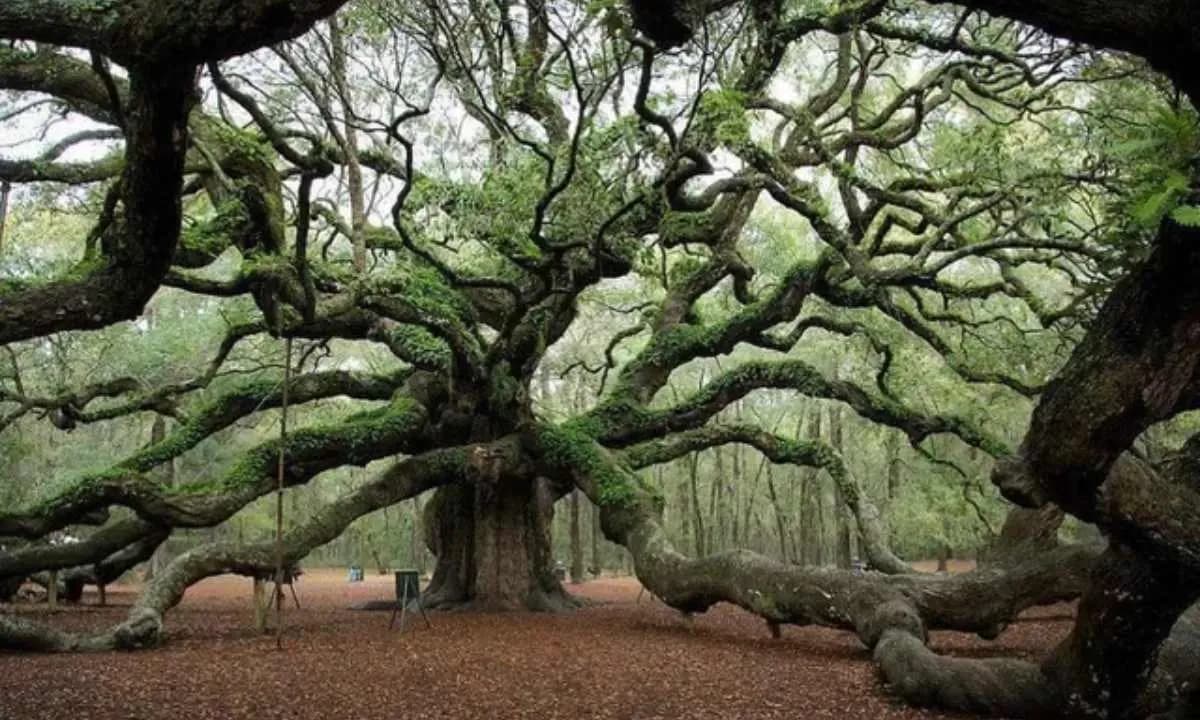
In the presence of the Angel Oak, one can’t help but feel a connection to the past. Its gnarled branches stretch majestically, framing a canopy that provides shade over 17,000 square feet. Standing 66.5 feet tall and boasting a circumference of 28 feet, this Southern live oak (Quercus virginiana) captivates all who visit.
The tree’s allure draws countless visitors each year, many of whom come to witness this living relic of history. People are enchanted not just by its size but by its storyline—a narrative woven into the very fabric of America’s past. The grandeur of the Angel Oak inspires a sense of awe, making it more than just a tree; it becomes a pilgrimage site.
But why such attachment? Legends swirl around the tree, whispering tales of its survival. It weathered immense hurricanes, witnessed the eerie silence of a colonial plantation, and served as a youthful play area for generations long gone.
The Angel Oak was severely damaged by Hurricane Hugo in 1989. People assume that tree wouldn’t survive the aftermath, yet, this resilient giant healed and recovered and lived for more decades.
The Angel Oak is not merely a tree; it embodies the historical and cultural struggles of South Carolina. Once part of a plantation, it is dyed in the deeper shades of human sorrow and resilience. In the shadow of its sprawling limbs, civil rights activist Septima Clark once gathered families who sought solace during the harsh realities of segregation. Today, it serves as a constant reminder of the intertwined histories of nature and humanity.
Estimations of the Angel Oak’s age vary, with some suggesting it may be as young as 400 years and others claiming a staggering 1,500 years. This discrepancy adds an air of mystery to the tree. If it indeed dates back to 500 AD, then it predates countless pivotal moments in history—the Crusades, the arrival of Vikings in America, and even the founding of several nations.
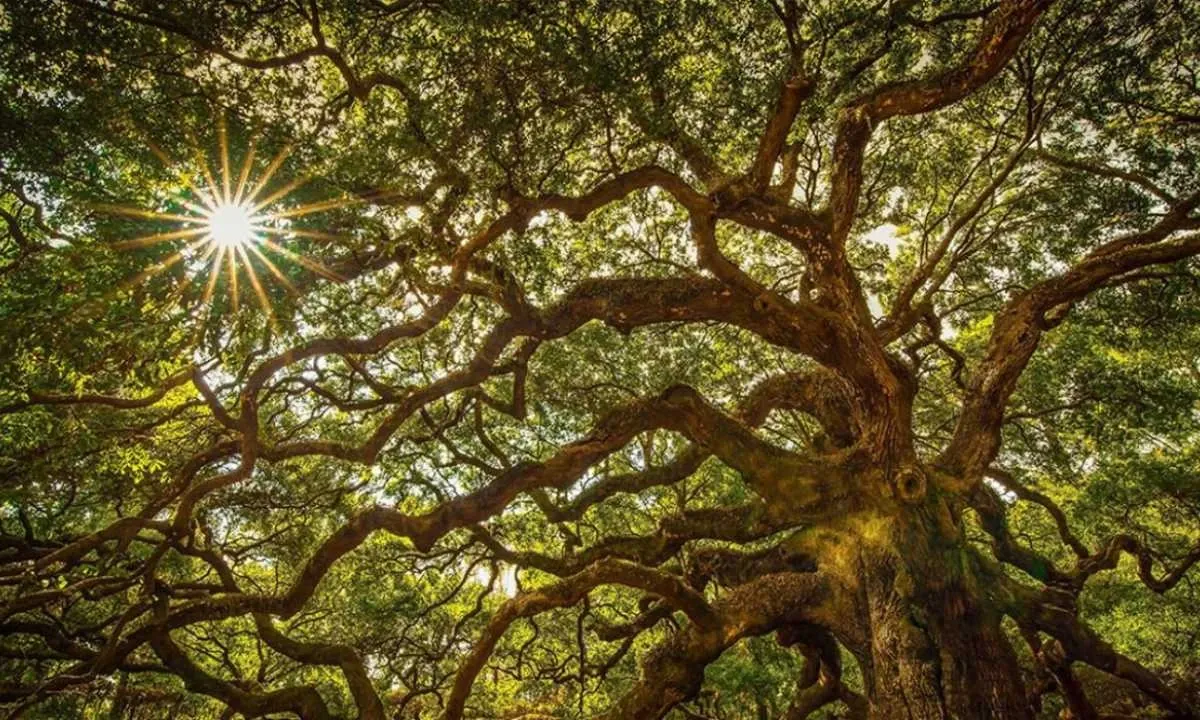
Local legends enrich the tree’s narrative. Many believe the name “Angel Oak” comes from the estate of Justus Angel, who owned the land where it sits. Folklore also hints at the presence of ghosts—spirits of former enslaved individuals who once worked the plantation. Stories circulated about spirits visiting the oak by night, giving it an ethereal quality. Some even claim the tree has witnessed the darkest chapters of history, when justice was denied, and lives were taken far too soon.
As preservation efforts intensified, the Angel Oak’s community has rallied significantly around it, ensuring its survival and prominence as an iconic landmark. It became a focal point for conservationists and local families, reinforcing community identity and pride. Through educational programs and preservation initiatives, efforts to protect this natural wonder from vandalism and environmental threats are ongoing.
Visiting the Angel Oak is an experience like no other. Nestled at Angel Oak Park on Johns Island, it is easily accessible. The tree is open daily, inviting you to walk among its roots and feel its pulse through your fingers. The best light for photos bathes the tree in golden hues just before sunset, providing a backdrop as enchanting as the tree itself.
As we marvel at the Angel Oak, we ponder the stories it could share if it could speak. What tales of love, loss, and survival would it whisper? It stands not just as a tree, but as a solemn witness to humanity’s journey—a reminder of the resilience we embody and a call to nurture our environment. The Angel Oak invites you to immerse yourself in history and ponder how many lives have crossed its shadow.