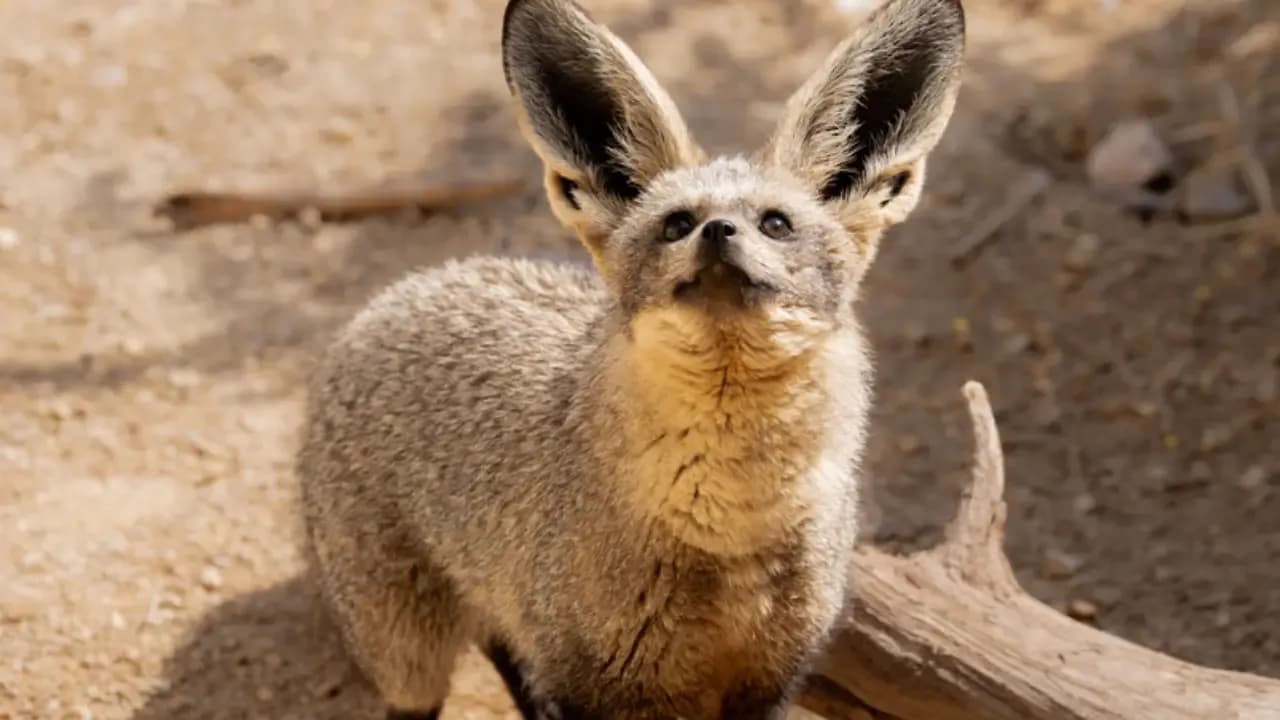
Chester, UK – For the first time in more than 30 years, Chester Zoo has welcomed back one of Africa’s most distinctive species-the bat-eared fox.
Two sisters, named Maasai and Malindi, have travelled over 500 miles from a zoo in Paris, France, to become the newest residents of the zoo’s ambitious new Heart of Africa habitat, marking a major moment in the zoo’s conservation efforts.
These rare African foxes, known for their oversized ears that stand more than 13cm (5 inches) tall, are settling in well and already drawing attention for their unique look and lively personalities.
Bat-eared foxes are native to the open savannahs and arid grasslands of eastern and southern Africa. Their ears are not just for show, they play a crucial role in temperature regulation and are so sensitive they can detect tiny underground movements, including the sound of termites chewing.
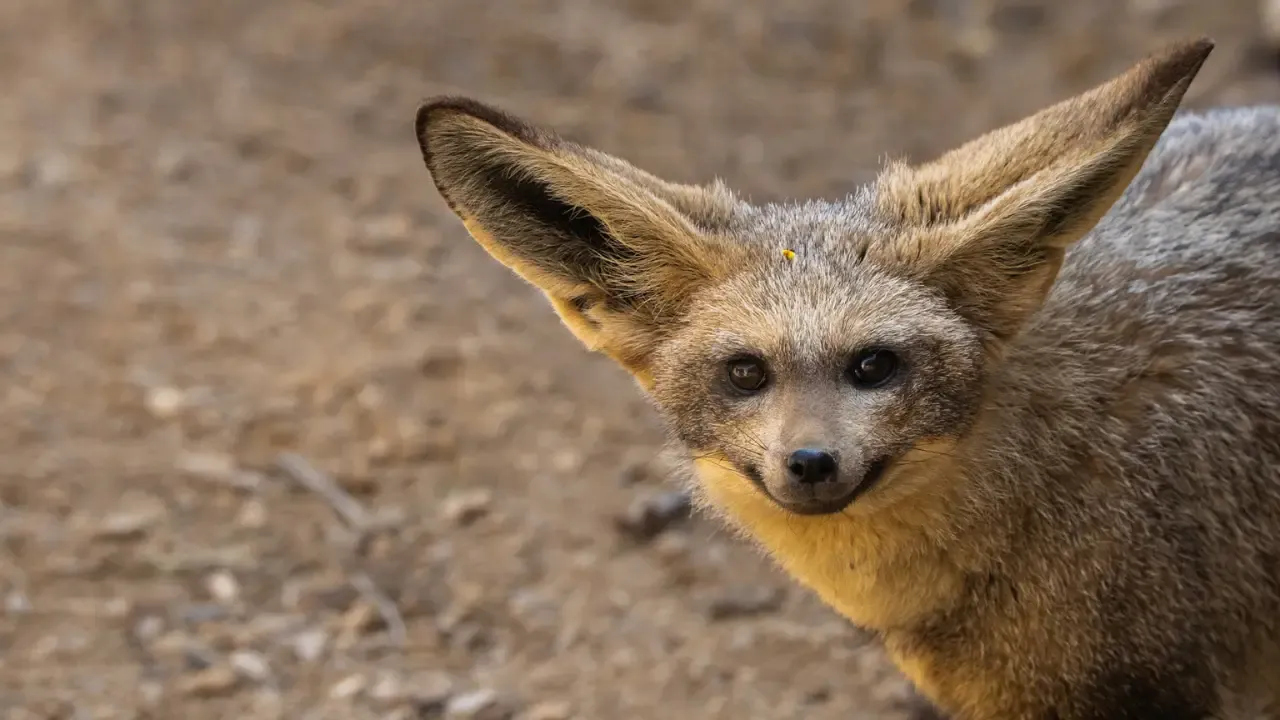
Maasai and Malindi now share their new home with 12 Cape porcupines in the Heart of Africa zone, the largest zoo development ever undertaken in the UK, covering more than 22.5 acres.
According to David White, Team Manager at Chester Zoo, the sisters are a perfect addition to the space: “It’s incredibly exciting to welcome bat-eared foxes back to Chester Zoo after a 30-year hiatus. They’re a truly unique and fascinating species with some amazing adaptations. Their enormous ears act like satellite dishes and help them detect prey with pinpoint accuracy.”
Though not currently classified as endangered, bat-eared foxes face increasing threats in the wild due to habitat loss, hunting, and human conflict. As their native grasslands become more fragmented, their survival becomes more difficult.
In response, Chester Zoo has become a stronghold for conservation, with teams working across Africa to protect species like the northern giraffe, giant pangolin, mountain bongo, and Eastern black rhino.
Initiatives like the Maasai Olympics, which encourage sport over lion hunting have also played a significant role in protecting wildlife.
Zoo conservationists hope that one of the foxes may soon be introduced to a male as part of a broader conservation breeding programme aimed at safeguarding the species for the future.
Now exploring their expansive new habitat, Maasai and Malindi offer zoo visitors a rare opportunity to observe these lesser-known creatures up close. With their expressive ears and important ecological role, these sisters are more than just adorable, they’re ambassadors for Africa’s disappearing wilderness.
Bat-Eared Fox Fact File:
- Scientific name: Otocyon megalotis
- Habitat: Grasslands, savannahs, and arid regions of eastern & southern Africa
- Diet: Insectivorous-mainly termites, beetles, and other small invertebrates
- Lifespan: Up to 13 years
- Fun fact: Their huge ears enhance hearing and regulate body heat
- Threats: Habitat destruction, hunting, and conflict with humans
With this exciting return, Chester Zoo reaffirms its dedication to conserving rare species and educating the public about the fragile ecosystems these animals call home.