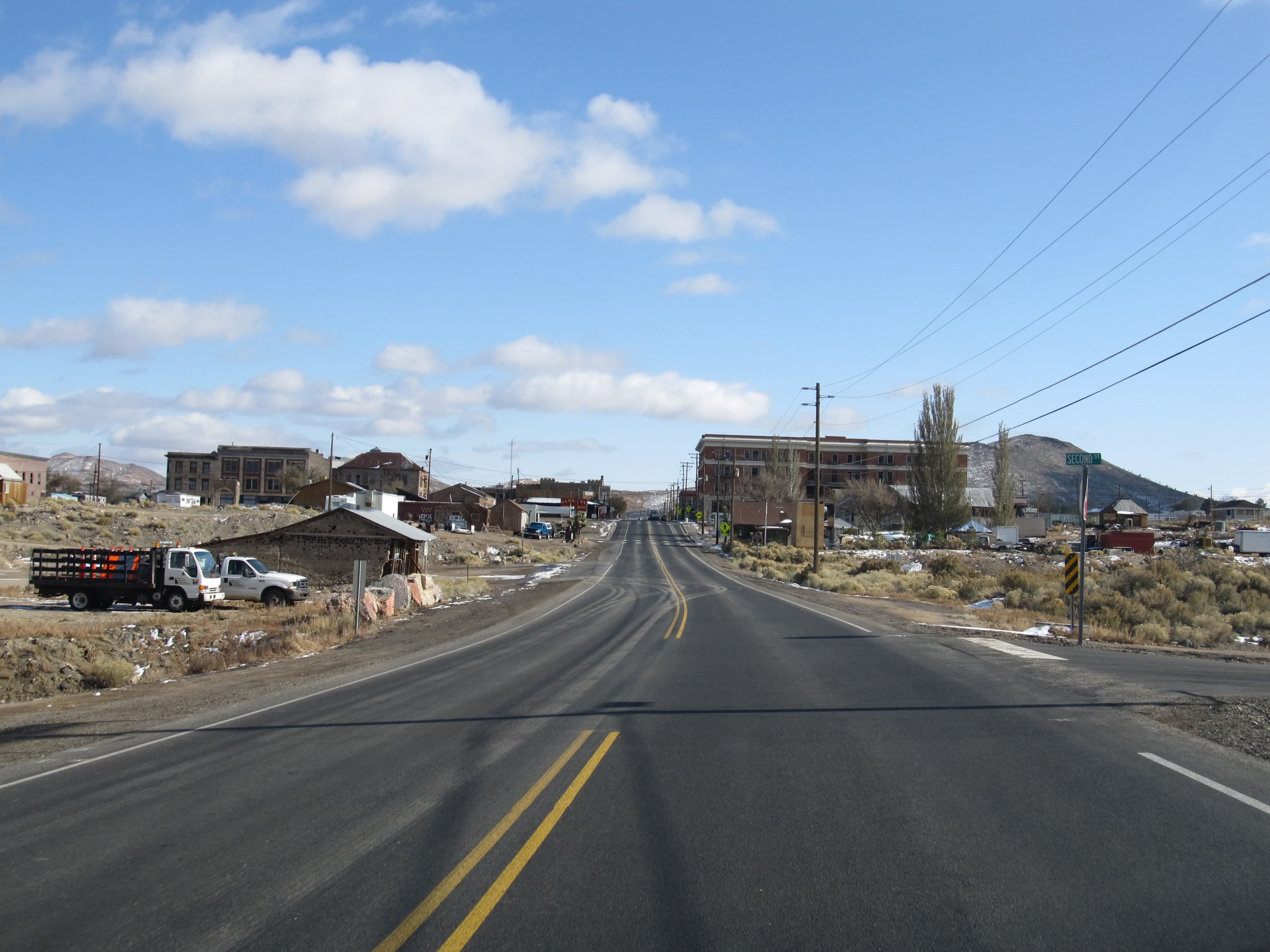
Goldfield once ranked as Nevada’s largest city, and its surviving buildings still hint at that astonishing ambition.
Goldfield, Nevada, is a former mining boomtown and a living community, rather than an empty ghost town. Its gold discoveries brought extraordinary growth in the early 1900s. Mining decline and destructive fires reduced that city to a much smaller settlement, but historic buildings and local preservation efforts give visitors plenty to explore. Nevada State Historic Preservation Office
The surprise is the scale of what remains. Substantial masonry buildings stand beside open spaces, making the distance between the boom years and the present easy to see.
How Goldfield, Nevada, exploded into prominence
Prospectors Harry Stimler and Billy Marsh discovered gold ore in December 1902. Nevada’s official historical marker places the major boom between 1904 and 1918.
The discovery came after a long statewide mining slump. New strikes at Tonopah and Goldfield changed expectations, drawing people and investment back into Nevada’s mining economy.
Goldfield’s growth was remarkable even by boomtown standards. The National Park Service identifies it as Nevada’s largest city from 1906 to 1910, part of a series of mineral discoveries that helped reshape travel and settlement across the region. National Park Service’s mining-town history
This was no isolated collection of prospectors’ tents. The town developed banks, newspapers, businesses, and substantial hotels. Travel Nevada’s account describes a place whose commercial ambitions matched the wealth coming out of the ground. Travel Nevada’s Goldfield overview
The buildings make the boom believable
It can be difficult to imagine rapid growth from dates alone. Architecture helps. Stonework, multiple stories, and formal street fronts show how confidently people invested in Goldfield’s future.
The famous Goldfield Hotel is one landmark, but it should not absorb all the attention. Smaller commercial buildings reveal the practical systems that supported the mining city.
One example is the Southern Nevada Consolidated Telephone-Telegraph Company Building. Nevada’s historical marker identifies it as a survivor of the major 1923 fire. Its significance lies partly in the communications network behind the boom. Nevada SHPO’s telephone-telegraph building history
Mining required messages as well as machinery. Business arrangements, family news, and decisions made elsewhere all passed through the systems connecting this remote town with the wider world.
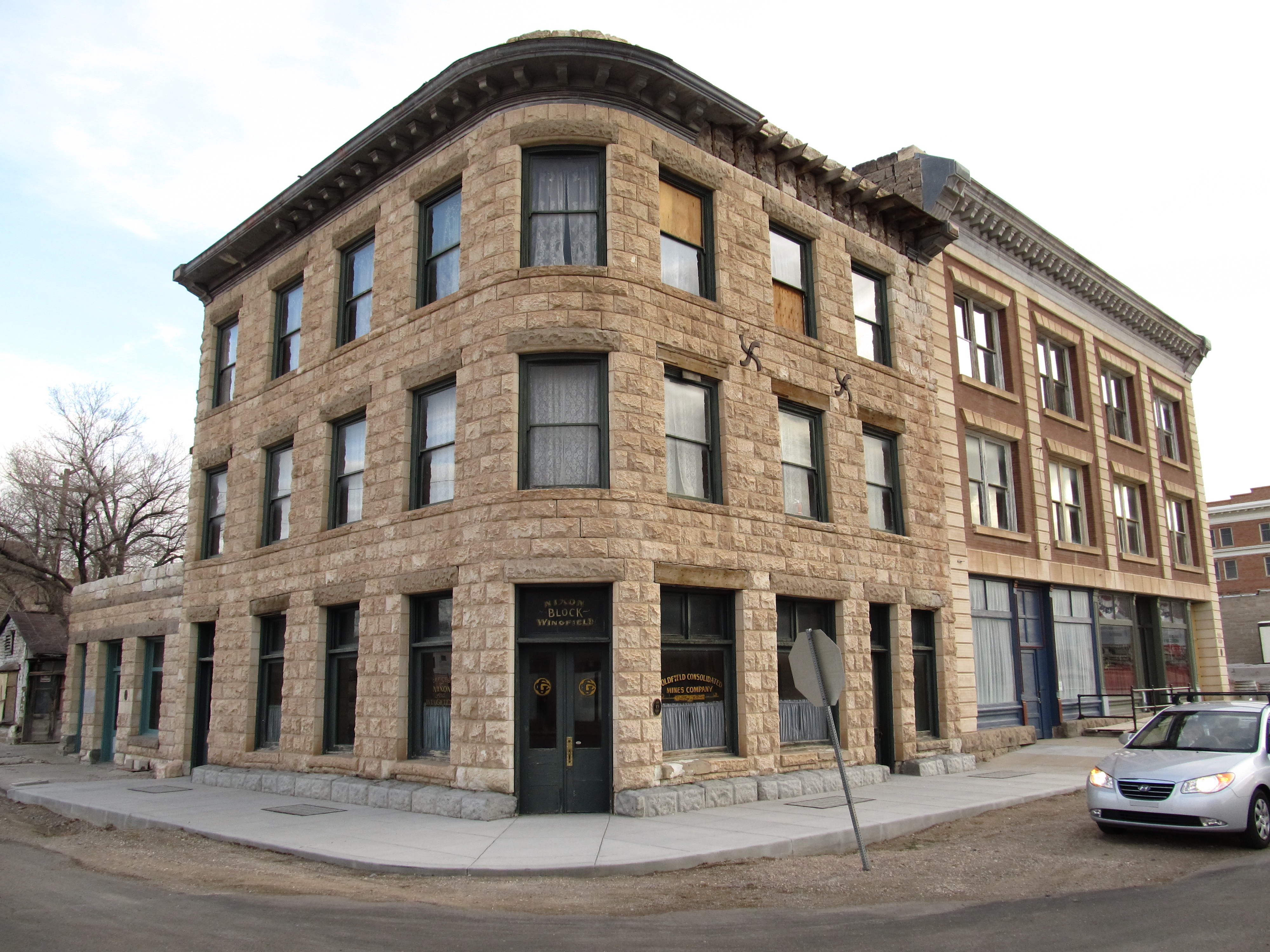
A walk through Goldfield becomes more rewarding when you ask what each building once made possible. The strongest stories are often about ordinary functions carried out on an extraordinary scale.
Fire and decline changed the town
Goldfield’s decline was not a single event. As the early boom weakened, the town no longer needed the same concentration of people and services.
Then fire removed much of its built environment. The state’s telephone-telegraph marker records the destruction of 53 downtown blocks in 1923. A further fire in September 1924 destroyed the Goldfield News building and Montezuma Club, according to the local historical society. Goldfield Historical Society’s fire history
The gaps visible today therefore have different explanations. Some reflect the reduced economy; others represent structures lost to disaster or later deterioration.
That is why describing the town as simply abandoned misses the point. Goldfield continued after its largest mines and grandest years. Its remaining residents inherited both remarkable buildings and the difficult task of maintaining them.
A present-day town with a long memory
The Goldfield Chamber of Commerce presents the town as a place to explore its mining history and current community. Local organizations play an important role in keeping those connections visible.
The visitor center is a useful first stop. Travel Nevada describes historical displays, local information, and material connected to the people who lived here. Ask about current tours and which buildings are accessible. Goldfield Visitor’s Center
The difference between a surviving exterior and an open attraction matters. A building may be privately owned, undergoing repairs, or available only through a particular tour. An older online photograph is not proof that its interior can be entered today.
Goldfield’s better-known ghost stories should also be kept separate from its documented past. A haunting claim may be part of local folklore or a tour’s theme. It does not establish a supernatural explanation for the town’s empty rooms.
What to look for on a visit
Begin with an overview of downtown rather than rushing toward one famous building. Compare the height and materials of the surviving structures with the spaces between them.
Then look for the smaller evidence of commerce: entrances, windows, signs, and corner buildings designed to draw attention from the street. These details help explain how the town worked when business was concentrated here.
Use public sidewalks and authorized visitor areas. Ask before entering private premises, avoid unstable ruins, and leave old objects in place. Bring water and allow for the exposed desert setting.
For a different view of modern Goldfield, Travel Nevada also highlights the International Car Forest of the Last Church, an outdoor art installation near town. It belongs to Goldfield’s more recent story, so it is best understood as a separate attraction rather than a relic of the mining boom.
Goldfield rewards both kinds of attention. It preserves the scale of a vanished mining city while continuing to make room for people and ideas in the present.
Frequently asked questions
Is Goldfield, Nevada, abandoned?
No. It remains an inhabited community. Its historic district contains both active properties and buildings associated with its former boom.
When did the Goldfield gold rush begin?
Gold ore was discovered in December 1902. The major boom followed from 1904 onward.
Was Goldfield once Nevada’s largest city?
Yes. The National Park Service identifies it as the state’s largest city from 1906 to 1910.
Can you enter the Goldfield Hotel and other historic buildings?
Do not assume general access. Check current owner-authorized tours and visitor information, and respect all closures.
Photo credits
Featured photo: Ken Lund, CC BY-SA 2.0.

Body photo: Ken Lund from Las Vegas, Nevada, USA, CC BY-SA 2.0.
