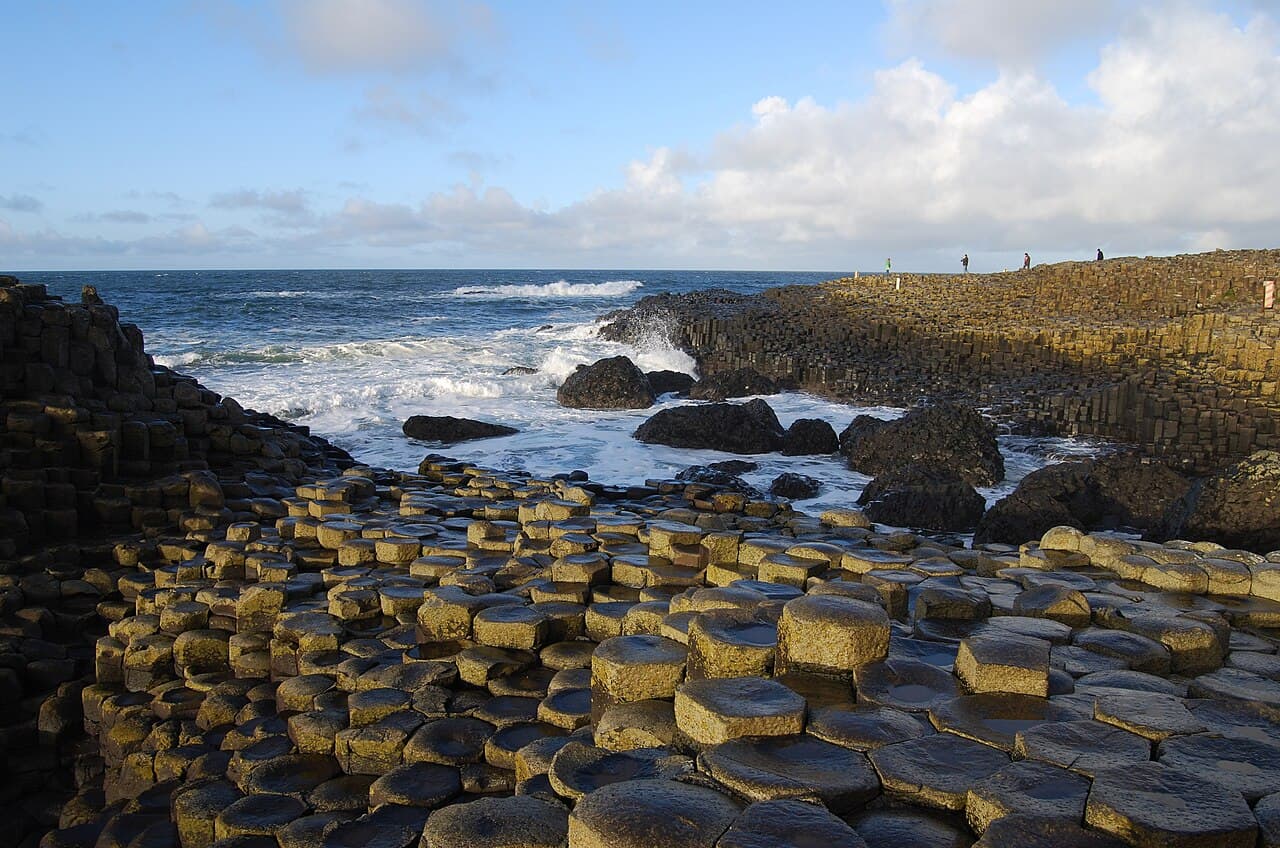
Thousands of stone columns fit together at the Giant's Causeway like pieces of an enormous pavement. Many have six sides, and their tops create stepping-stone patterns beside the sea.
The arrangement looks designed. Its builder was cooling lava.
A volcanic coast
The Giant's Causeway lies on Northern Ireland's north coast. Its basalt belongs to a much larger history of volcanic activity.
The British Geological Survey describes more than 40,000 columns and a landscape recording events around 60 million years ago.
The coast contains more than one lava flow. Different layers help scientists piece together a sequence, rather than one single eruption frozen in place.
How rock makes a pattern
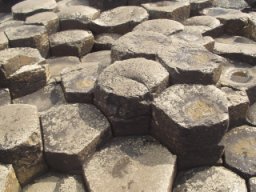
As a body of lava cools, it contracts. Cracks form and spread through the solidifying rock.
Under suitable conditions, those cracks organize into a network of columns. Many are hexagonal, but not every column has exactly six sides.
The pattern is called columnar jointing. The Geological Society of America's account explains both the accepted cooling process and the continuing scientific interest in how orderly columns develop.
Erosion opens the view
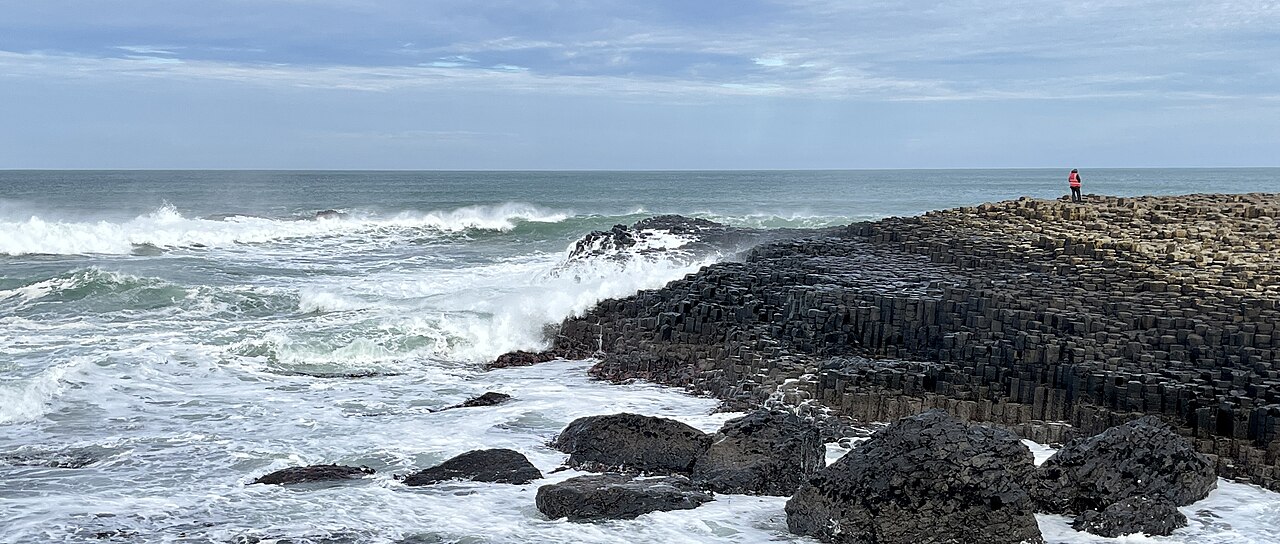
Cooling made the joints, while later geological change and coastal erosion exposed the formations.
The result is a landscape where we can see structures that formed within a much larger mass of rock. The cliffs around the famous pavement help give the columns their context.
A place for science and stories
The name and local traditions connect the Causeway to giants. Those stories are part of its cultural appeal, while geology explains the stone.
Protecting the site means caring for the wider coast as well as the best-known stepping stones.
The Giant's Causeway rewards both imagination and observation. A single column invites a closer look; thousands together reveal the extraordinary order that can emerge as molten rock loses heat.
Photo credits
Featured image: Chmee2; Wikimedia Commons source; CC BY 3.0. Resized for web display.

Body image 1: Matthew Mayer (User Matthewmayer in English Wikipedia); Wikimedia Commons source; Public domain. Resized for web display.

Body image 2: XaetaRhythm; Wikimedia Commons source; CC BY-SA 4.0. Resized for web display.
