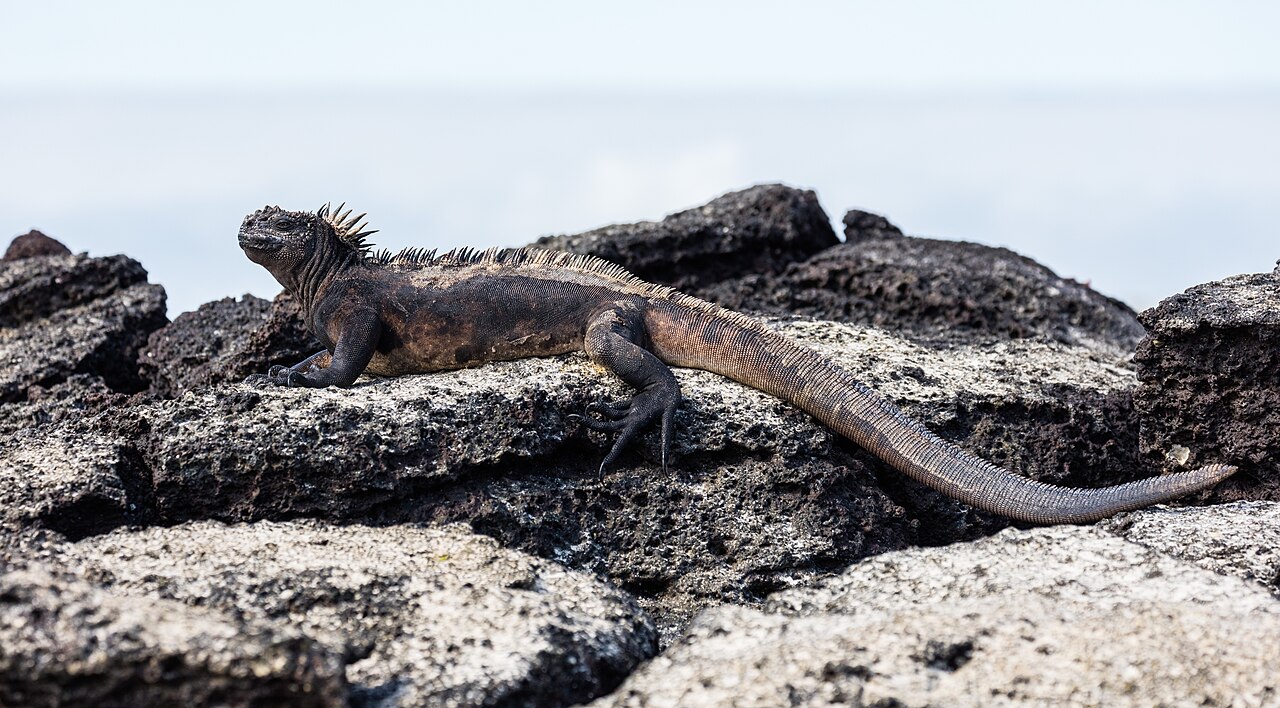
In the Galápagos, a lizard can feed in the sea and then rest on sun-warmed rock. Marine iguanas are one example of how unusual ways of life developed across these volcanic islands.
The wildlife is remarkable, but the setting explains much of the surprise.
Islands built by volcanoes
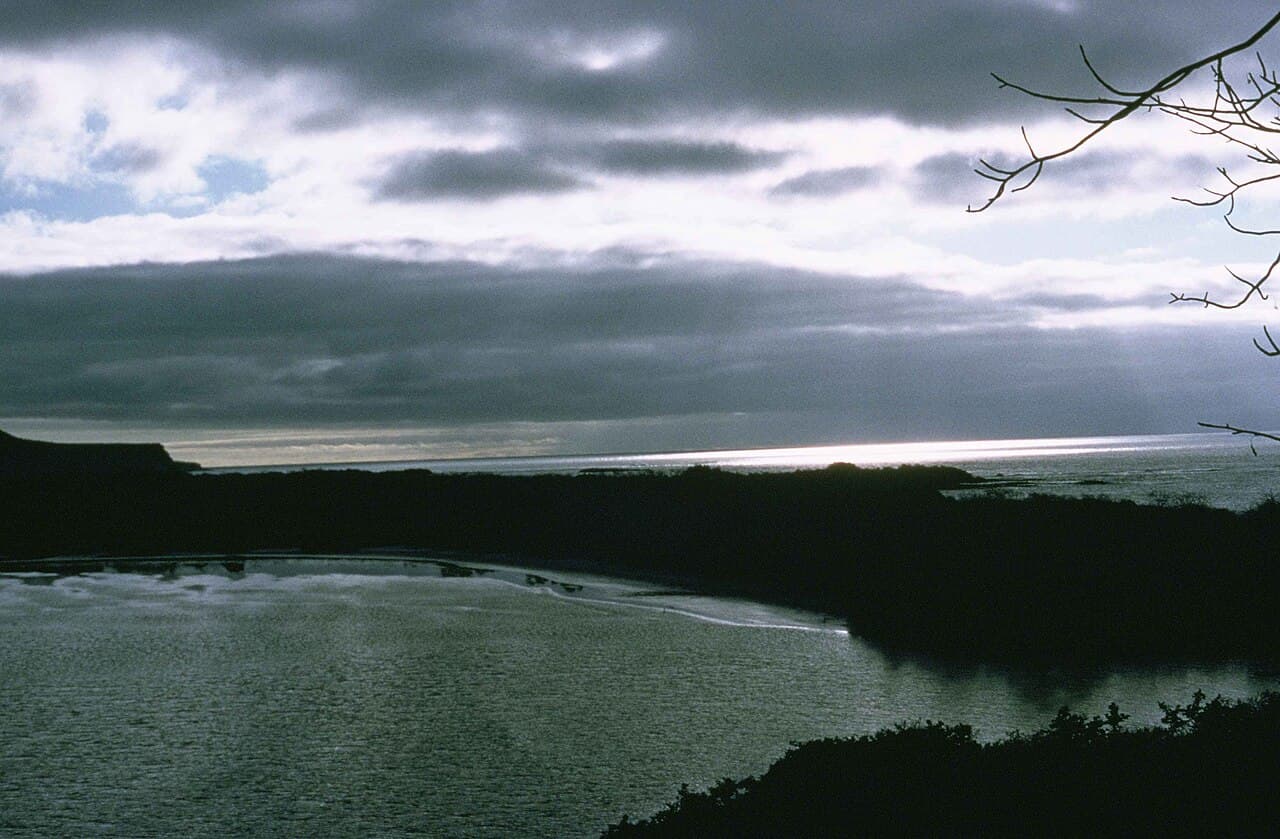
The Galápagos archipelago belongs to Ecuador and lies in the eastern Pacific. Volcanic activity built islands that differ in age, shape, and habitat.
UNESCO describes the interaction of isolation, geology, and ocean conditions that helped shape their living communities.
The islands are not one identical habitat repeated across the sea. Their differences create opportunities for different species and populations.
Animals connect land and water
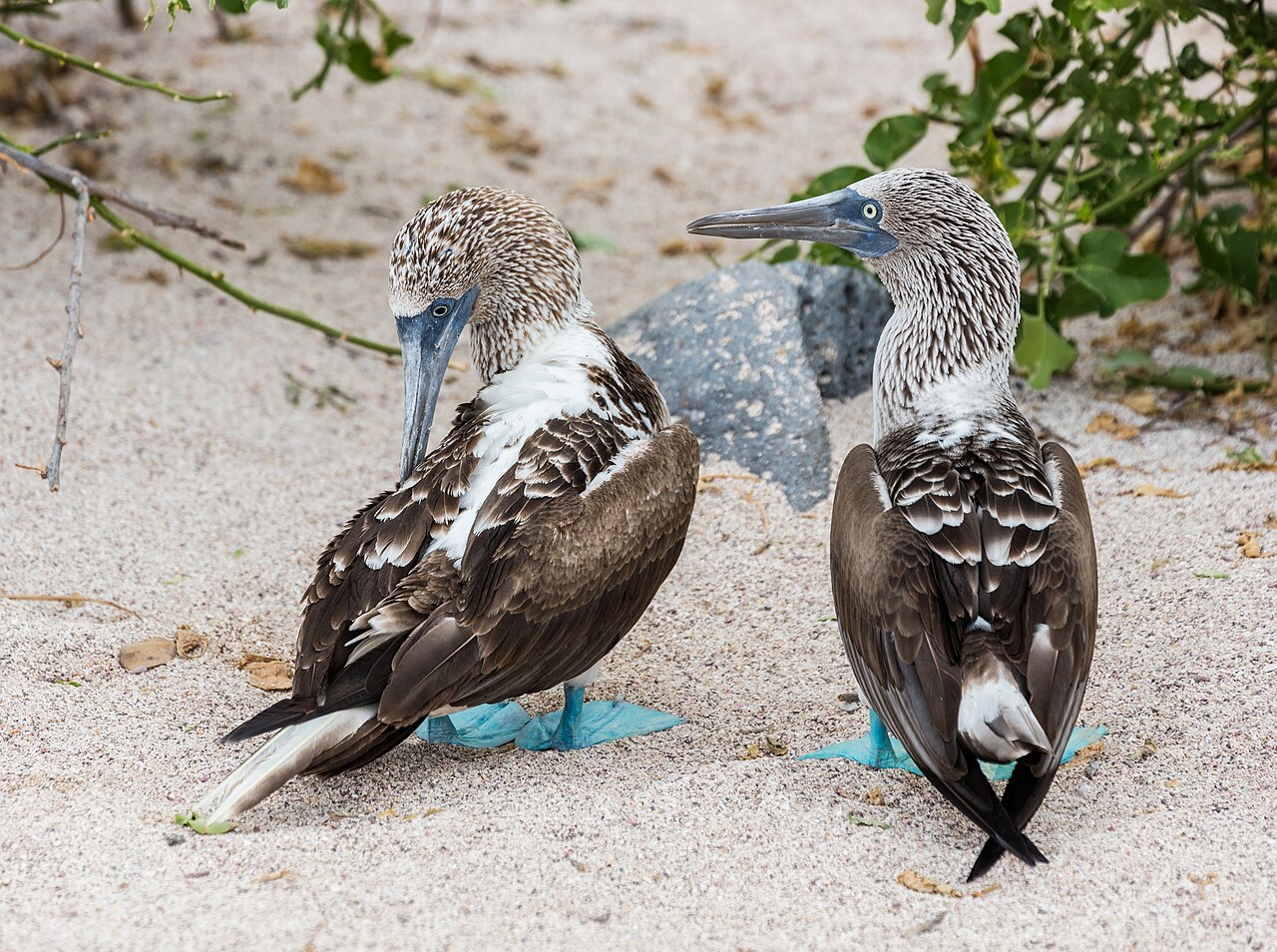
Marine iguanas feed on marine algae and return to land. Seabirds such as blue-footed boobies also depend on ocean food while using land for breeding.
Giant tortoises belong to another part of the story, feeding and moving through terrestrial habitats.
Together, these animals show why conservation cannot stop at the shoreline. The sea supplies resources that support much of the life visible on the islands.
Evolution is a continuing process
Charles Darwin visited in 1835, and Galápagos observations helped inform his later thinking. The scientific importance of the islands did not end with that visit.
The Charles Darwin Foundation's 2026 Galápagos Atlas brings together modern knowledge of species, geology, climate, and ecosystems.
Evolution is not a special event that happened once here. Changing conditions continue to influence which organisms survive and reproduce.
Protect relationships, not only famous animals
Introduced species, habitat pressures, and changing ocean conditions can affect island ecosystems. Protecting wildlife involves biosecurity and care for connected habitats.
The Galápagos invite us to see beyond a checklist of unusual creatures. Each tortoise, iguana, and seabird belongs to a network shaped by isolation—but sustained by connections between rock, water, plants, and other life.
Photo credits
Featured image: U.S. Fish and Wildlife Service; Wikimedia Commons source; Public domain. Resized for web display.

Body image 1: Diego Delso; Wikimedia Commons source; CC BY-SA 4.0. Resized for web display.

Body image 2: Diego Delso; Wikimedia Commons source; CC BY-SA 4.0. Resized for web display.
