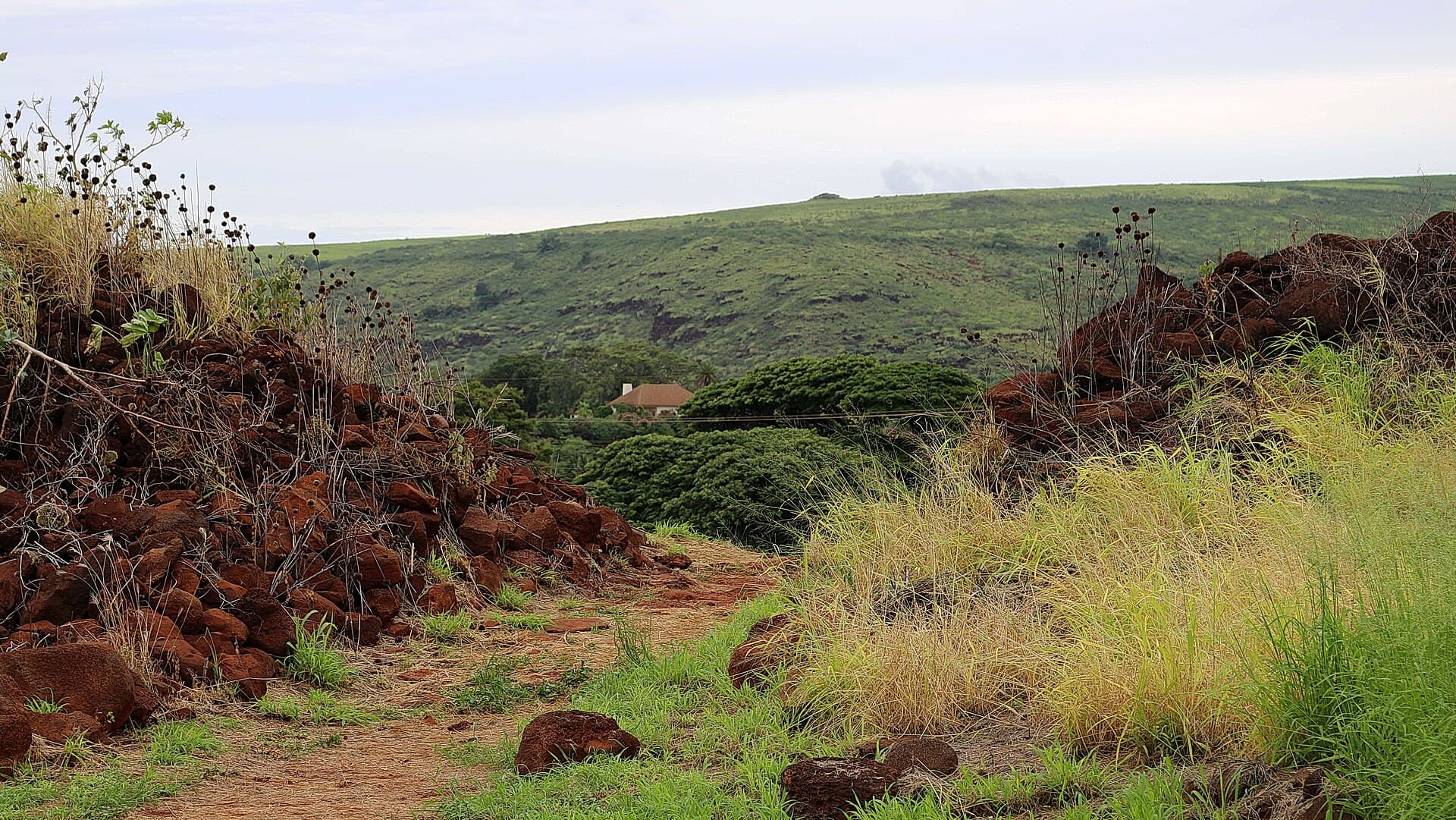
A familiar label once made these Hawaiian stone walls sound like the remains of a Russian colony.
Fort Elizabeth on Kauaʻi is now officially known as Pāʻulaʻula State Historic Site. Near Waimea, its surviving walls preserve a story centered on Hawaiian leadership, labor, and sovereignty, alongside a brief connection with the Russian-American Company.
As checked on November 3, 2026, the state lists the site as closed for construction until further notice. Its history can be explored through official records and photographs, but visitors should not plan to enter during the closure.
Why the name Fort Elizabeth needs context
For years, maps and travel accounts emphasized the Russian connection. That label made a complicated Hawaiian place seem primarily foreign.
Pāʻulaʻula was associated with the residence and authority of Kauaʻi’s rulers, including Kaumualiʻi. Restoring the Hawaiian name helps place that longer history at the center.
A 2022 state land board submission explains the case for the name change. It describes the importance of the site before, during, and after the brief Russian-American Company episode.
The change is more than a replacement sign. A name can shape the first question a visitor asks. Starting with Pāʻulaʻula directs attention toward Hawaiian people and decisions that an imported label can obscure.
A shipwreck brought a foreign agent to Kauaʻi
In 1815, the Russian-American Company vessel Bering wrecked near Waimea. Its cargo became the subject of a dispute involving Kaumualiʻi.
The company sent Georg Anton Schäffer, a German physician working as its agent, to recover property and seek compensation. His mission grew into a much more ambitious political project.
Schäffer negotiated with Kaumualiʻi and proposed arrangements involving Russian protection and support. Yet he did not have the authority to guarantee that the Russian government would accept them.
The National Park Service’s historical account traces the shipwreck, negotiations, and failure of the proposed agreement.
The episode belongs to a Pacific world linked by shipping, trade, and competing interests. It should not be simplified into Russia formally taking possession of Kauaʻi.
Hawaiian builders shaped the surviving place
Hawaiian workers under Kaumualiʻi built the fortified complex during 1816–1817, using local materials and a design associated with Schäffer.
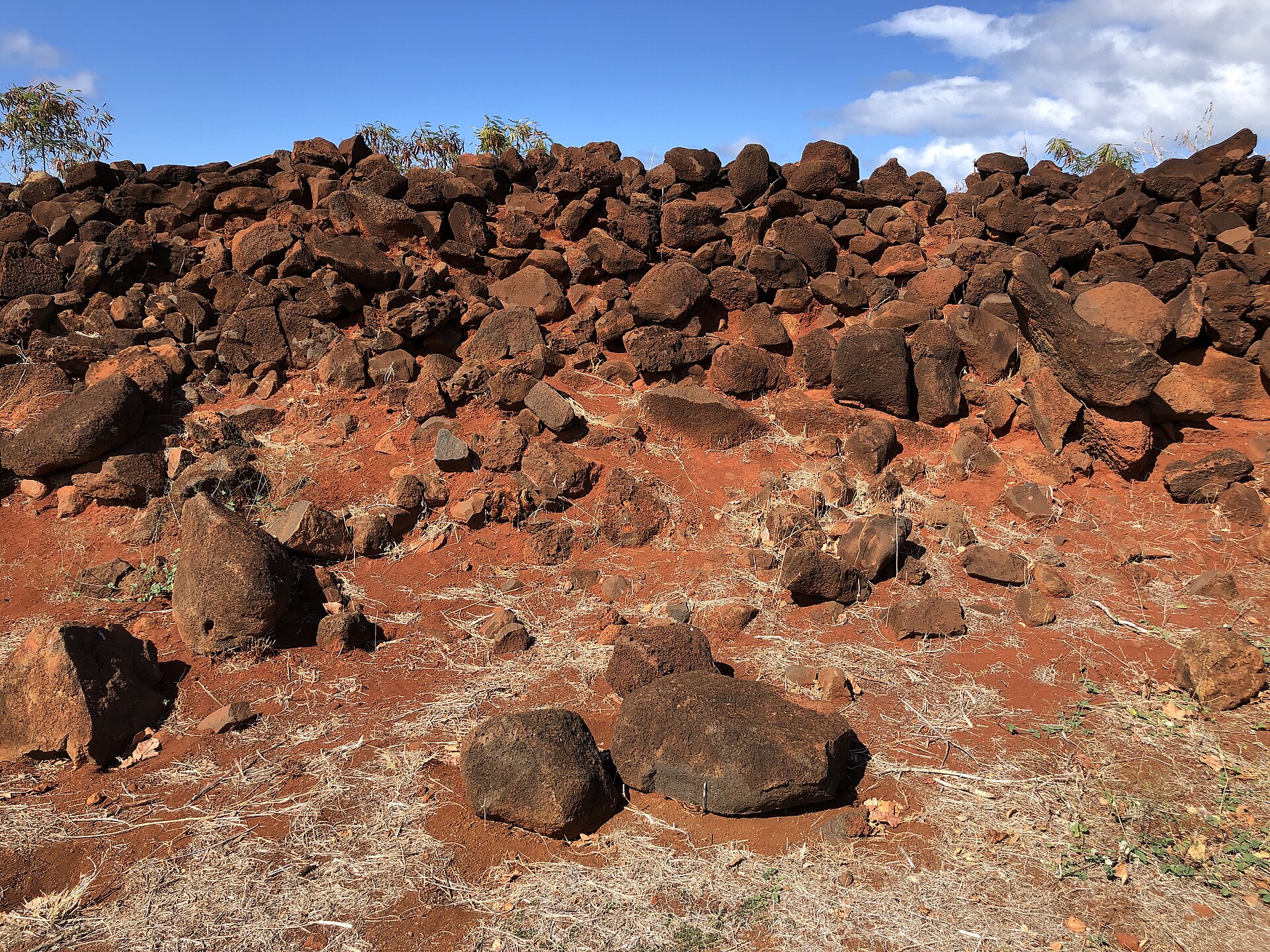
The surviving stone walls can therefore tell more than a story of foreign military influence. They also record Hawaiian labor and the political aims of a Hawaiian ruler.
Archaeologist Peter Mills has argued for understanding the site primarily through that Hawaiian context. A University of Hawaiʻi at Hilo account of his research explains how scholarship challenged the familiar Russian-fort narrative.
That perspective matters when viewing the ruins. The presence of European-style defensive features does not erase the people who built and used them.
Nor should the Russian connection be erased. The more accurate story holds both elements together while recognizing that they did not carry equal weight or last equally long.
The foreign venture ended, but Hawaiian use continued
The Russian government rejected the agreement Schäffer had negotiated. He left Kauaʻi in 1817.
Hawaiian troops continued using the fort long after his departure. The military complex endured for decades before it was dismantled in 1864.
This longer period is easy to miss when a travel description focuses only on the dramatic arrival and exit of a foreign agent. The brief international episode was not the whole life of the place.
The remaining walls and interior traces are what visitors associate with the fort today. They no longer form the complete military complex, but their scale still suggests the effort required to build it.
The featured photograph dates to 2014, while the closer wall view was taken in 2021. Both predate the current construction closure.
Restoring the name changed the public story
The Board of Land and Natural Resources approved the move to Pāʻulaʻula in 2022. Reporting on the decision described the effort to recognize the site’s Hawaiian identity.
Older books, signs in photographs, and search results may still use Russian Fort Elizabeth. Those sources can remain useful if their terminology is read in context.
Using both names when researching helps connect older records with current stewardship. It also reveals how interpretation changes when communities and scholars challenge a familiar account.
The ruins have not moved, but the questions asked about them have changed. That is an important part of historic preservation: caring for a place includes reconsidering how its story is told.
Current access: construction closure remains in effect
The official state park page states that Pāʻulaʻula closed for construction on March 24, 2025, until further notice.
A February 2026 state update also distinguished its continuing construction closure from temporary weather closures at other Kauaʻi parks.
Do not rely on generic opening hours lower on a page, an old review, or photographs of visitors inside the walls. The specific closure notice takes priority.
Check the official page before making future plans. Until reopening is announced, respect barriers and do not enter the work area.
When access returns, the most meaningful approach will be to look beyond the foreign name. These walls belong to a Hawaiian landscape whose story continued long after Schäffer left.
Frequently asked questions
What is Fort Elizabeth called today?
Its official name is Pāʻulaʻula State Historic Site. Fort Elizabeth remains a common historical and search term.
Was it a Russian colony?
That description is misleading. The Russian government rejected Schäffer’s agreement, while Hawaiian leadership, builders, and troops shaped the site’s history.
Is Pāʻulaʻula open now?
As checked on November 3, 2026, the state lists it as closed for construction until further notice. Check the official page for changes.
What remains of the fort?
Surviving stone walls and traces of interior structures preserve part of the former complex. The photographs here show the site before the current closure.
Image credits
Featured image: Robert Linsdell from St. Andrews, Canada, CC BY 2.0. Body image: Famartin, CC BY-SA 4.0.

