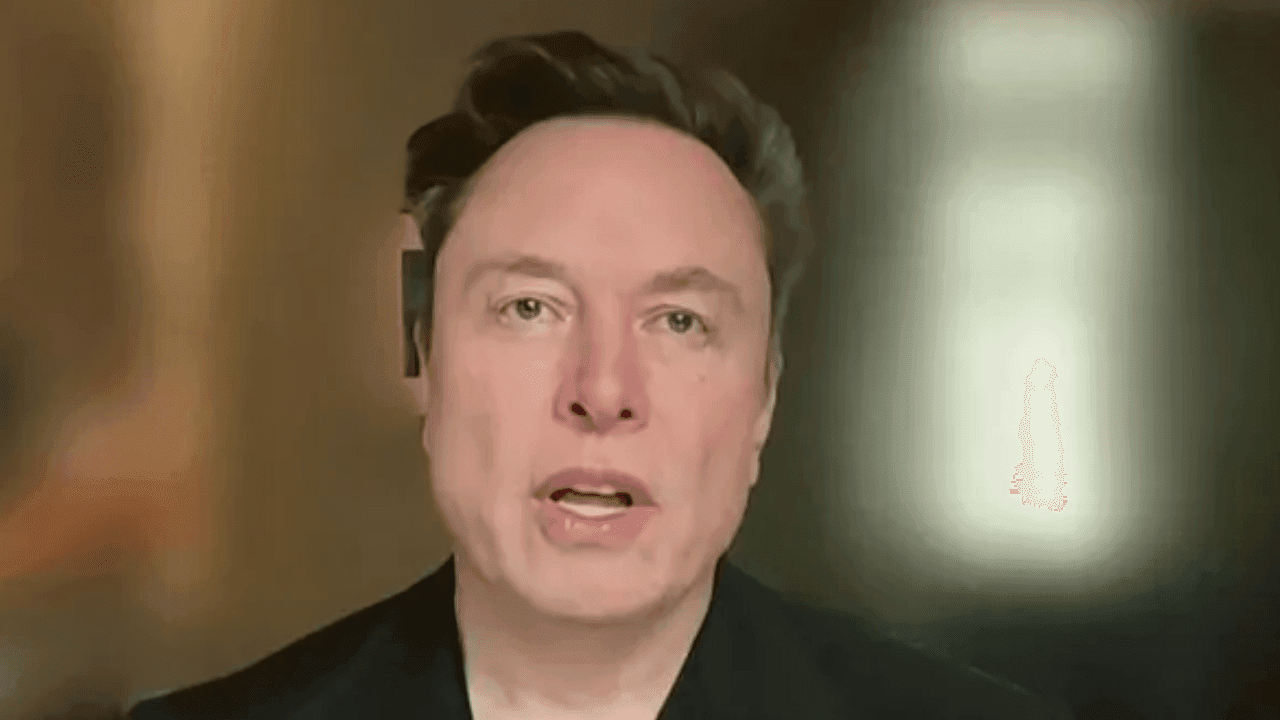
In a world where the economy is a complex web woven by international trade agreements and negotiations, one man stands envisioning a future without barriers—Elon Musk. The charismatic CEO of Tesla and SpaceX has recently voiced his aspiration for a ‘zero tariff’ trade association between the United States and Europe. His vision opens up a dialogue about the prospects of frictionless trade in a globalized universe. But is this feasible, and what could it mean for the global economy?
The concept of zero tariffs brings us dreams of smooth transactions and economic harmony, a stark contrast to the often tumultuous trade relationships negotiated between countries. Musk’s remarks come at a significant time when international trade agreements face scrutiny, and tariff wars loom as tangible threats. It’s an enticing vision: a landscape where goods move freely, costs decrease, and relationships between nations become fundamentally collaborative.
Delving into Musk’s motivations, one might suggest that his businesses stand to benefit substantially. Tesla, aiming to conquer international markets, could see reduced costs in European ventures, bolstering competitive advantage. While electric vehicles cruise down European roads, Musk’s companies may capitalize on minimized trade restrictions that alleviate taxes adding to consumer costs.
Yet, Musk’s proposition isn’t without challenges. Both political and economic complexities may impede such reforms. Trade policies often reflect broader diplomatic stances or are influenced by domestic industries lobbying for protection against perceived foreign advantages. As such, eliminating tariffs might encounter resistance amidst challenging negotiations.
Economically speaking, zero tariffs could spark significant consequences. European manufacturers may find themselves contending with increased competition from American products, potentially resulting in a market shift. Moreover, balancing the books on both sides of the Atlantic could prove formidable. An understanding between one continent’s economic giants must align with fair practices for smaller businesses often disrupted by stark policy changes.
Despite these complications, Musk’s vision resonates with a broader narrative: the idea that collaboration, rather than contention, should govern global economic engagements. Experts and analysts have weighed in, highlighting that while the road to zero tariffs won’t be simple, it could redefine economic alliances and foster innovation.
The broader question is whether this thought-provoking ambition will translate into real action. Could it form a part of some future prolific trade dialogue? Or does it instead remain an idealistic vision, slowly evolving as part of Musk’s broader rhetoric of transforming industry norms?
In conclusion, regardless of the path forward, Elon Musk’s push for zero tariffs invites us to reflect on the power of visionary thinking in shaping economic policy. It’s a future yet unwritten, hovering between diplomacy and bold initiatives, driven by individuals who dare to dream of a united, economically harmonized world.