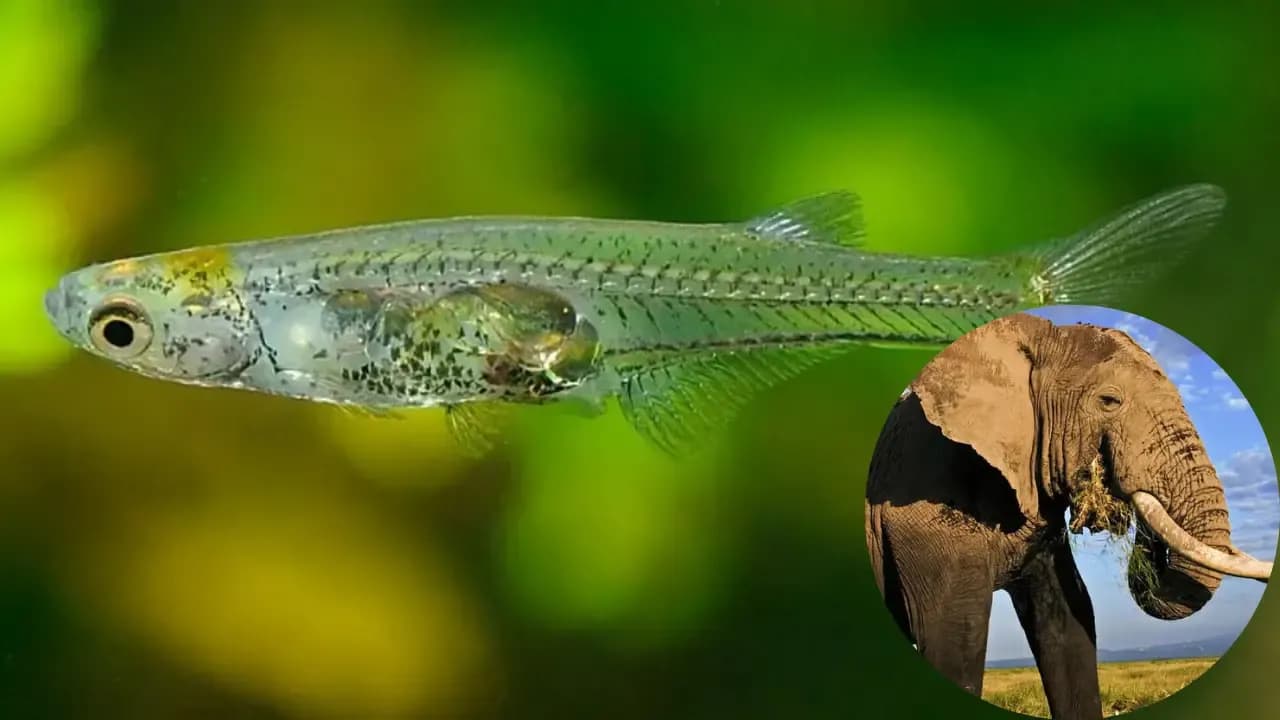
Smaller than a fingernail yet louder than an elephant—Danionella cerebrum has shocked scientists around the world. In a discovery that challenges everything we thought we knew about animal sound production, researchers have found that this tiny translucent fish can produce sound bursts reaching a staggering 140 decibels. That’s louder than the roar of a jet engine at takeoff and far louder than an elephant’s call.
The fish, which lives in the shallow streams of Myanmar, may appear fragile, but its sound-making power is unmatched for its size. Scientists discovered that Danionella cerebrum uses a unique anatomical trick: a stiff rib-like structure strikes its swim bladder with intense force up to 500 times per second.
This tiny “micro-hammer” creates a rapid series of shock-wave pulses, giving the fish its booming voice.
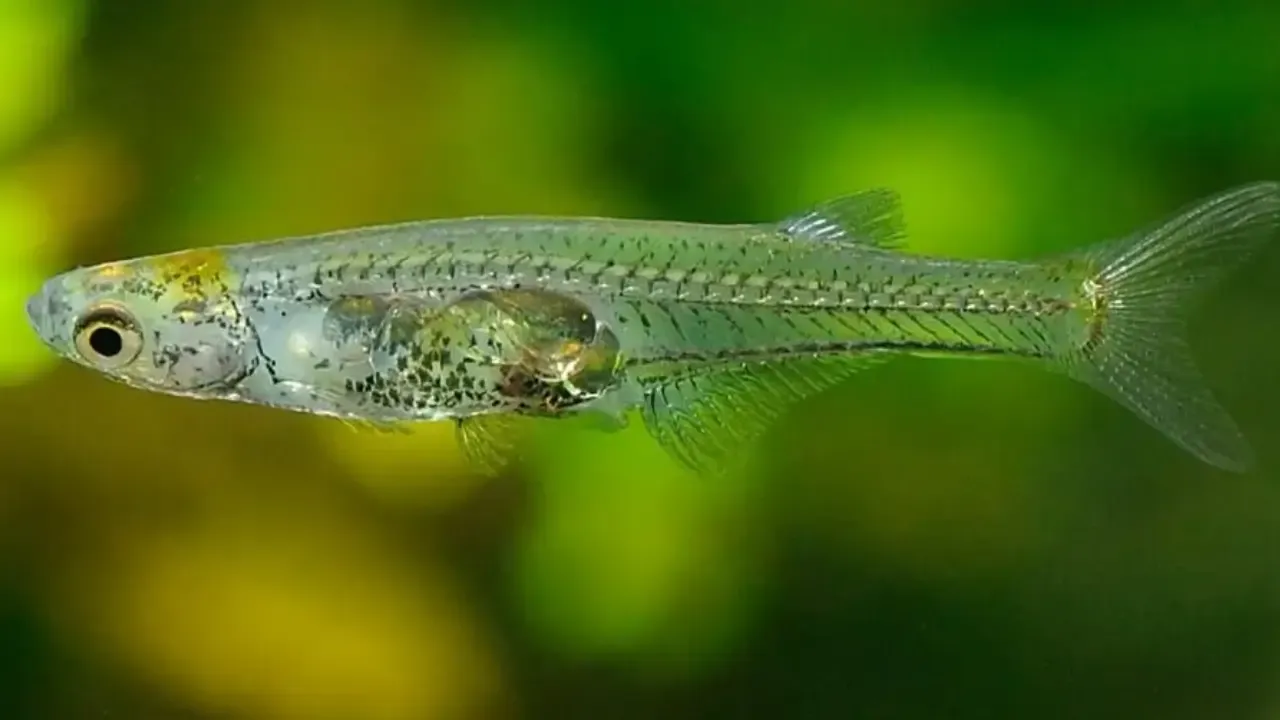
Image Source: Noldus Information Technology
“This completely flips our understanding of size and sound,” said the researchers. “We didn’t expect something so small to produce this level of acoustic energy.” The surprise has opened new conversations in the field of bioacoustics, the study of how living organisms produce and use sound. For decades, it was believed that louder animals had to be larger. This fish proves otherwise.
What’s even more fascinating is that only male Danionella cerebrum make these loud noises, suggesting they may use them for close-range communication, territory defense, or attracting mates.
Because the sounds decay quickly in water, they work like private messages loud enough for nearby fish to hear, but unlikely to attract predators from far away.
The discovery not only deepens our understanding of how animals communicate but also holds potential for future innovation. Engineers are now studying this fish as a model for developing small-scale devices that can deliver high power like tiny medical pumps or micro-speakers.
The fish’s extreme sound-to-size ratio could inspire designs in fields far beyond biology. Researchers also believe this tiny species could be a powerful model organism for further studies into how sound travels and functions in small, complex systems.
Its behavior and abilities may help scientists uncover new evolutionary patterns and rethink how life adapts in unexpected ways.
This translucent fish, once overlooked, has now become a headline maker in science news. With its fingernail-sized body and jet-engine-level sound, Danionella cerebrum is a reminder that in nature, the smallest creatures can still make the biggest impact.